

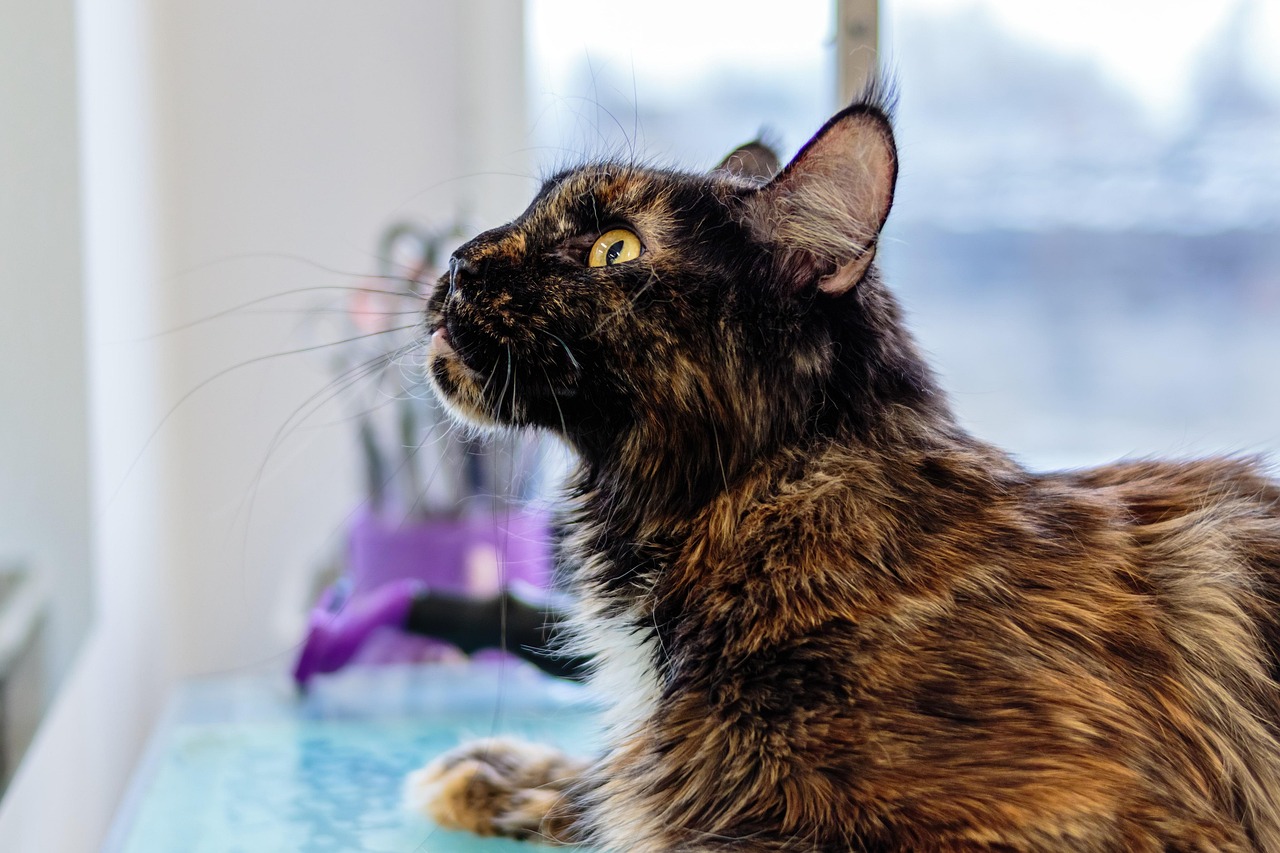
Anxiety in pets is a growing concern for many owners. Just like humans, our furry companions can experience stress and fear, leading to a range of behavioral and physical issues. Understanding the causes and symptoms of pet anxiety is the first step towards providing them with effective relief. Whether it’s separation anxiety, noise phobias, or general unease, this comprehensive guide explores various pet anxiety remedies to help your beloved animal live a happier, more peaceful life.
Understanding Pet Anxiety
Common Causes of Pet Anxiety
Identifying the root cause of your pet’s anxiety is crucial for effective treatment. Several factors can contribute to anxious behaviors:
- Separation Anxiety: Occurs when a pet is left alone or separated from their owner. Symptoms can include destructive behavior (chewing, scratching), excessive barking or howling, and inappropriate urination or defecation. For example, a dog might tear up furniture around the door when the owner leaves.
- Noise Phobias: Triggered by loud or sudden noises like thunderstorms, fireworks, or construction. Signs include trembling, hiding, panting, and attempts to escape. Many dogs will try to hide under furniture or in bathrooms during a thunderstorm.
- Social Anxiety: Arises in social situations, such as meeting new people or interacting with other animals. This may manifest as aggression, fearfulness, or withdrawal. A dog that barks and lunges at other dogs on walks may be experiencing social anxiety.
- Age-Related Anxiety: Cognitive dysfunction in older pets can lead to confusion, disorientation, and increased anxiety. This is often similar to Alzheimer’s disease in humans.
- Past Trauma: Previous negative experiences, such as abuse or neglect, can leave lasting emotional scars and trigger anxiety. Rescue animals, in particular, may exhibit anxiety related to their past.
Recognizing the Signs of Anxiety
Anxiety can manifest in various ways, and it’s important to be aware of these signs:
- Behavioral Changes: Increased aggression, excessive barking, chewing, digging, or attempts to escape.
- Physical Symptoms: Panting, trembling, drooling, dilated pupils, vomiting, diarrhea, or loss of appetite.
- Changes in Body Language: Tucked tail, flattened ears, tense muscles, pacing, or hiding.
- Vocalization: Excessive barking, howling, whining, or meowing. For example, a cat might meow incessantly when left alone.
Creating a Calming Environment
Providing a Safe Haven
A designated safe space can provide your pet with a sense of security and control. This could be a crate, a bed in a quiet room, or even a blanket they associate with comfort.
- Crates: For dogs, a crate can be a den-like refuge. Make sure it’s comfortable with soft bedding and familiar toys. Never use the crate as punishment.
- Quiet Rooms: Designate a room with minimal noise and activity where your pet can retreat when feeling anxious.
- Comfort Items: Provide familiar blankets, toys, or clothing items with your scent to offer comfort and reassurance.
Minimizing Stressful Triggers
Identifying and reducing exposure to anxiety triggers is essential. This might involve adjusting your pet’s routine or modifying their environment.
- Noise Reduction: Use white noise machines, calming music, or soundproofing to minimize noise distractions. During fireworks or thunderstorms, close windows and draw curtains.
- Routine: Establish a predictable daily routine for feeding, walking, and playtime to provide a sense of security.
- Socialization: Gradually expose your pet to social situations in a controlled and positive manner. Consider puppy socialization classes or controlled meet-and-greets with other dogs.
Natural Remedies and Supplements
Herbal Supplements
Certain herbal supplements have been shown to have calming effects on pets. Always consult with your veterinarian before starting any new supplement regimen.
- Chamomile: Known for its calming properties, chamomile can help reduce anxiety and promote relaxation. It can be given in tea form (cooled) or as a supplement.
- Valerian Root: A natural sedative that can help reduce anxiety and promote sleep.
- L-Theanine: An amino acid found in green tea that has calming and anti-anxiety effects.
Example: A calming chewable tablet containing chamomile and L-Theanine given to your dog an hour before a potentially stressful event, like a vet visit.
Pheromone Therapy
Pheromone products mimic natural calming signals and can help reduce anxiety in pets.
- Dog Appeasing Pheromone (DAP): Replicates the pheromone released by nursing mothers, providing a sense of security and comfort to puppies and adult dogs. Available as diffusers, sprays, and collars.
- Feline Facial Pheromone (FFP): Mimics the pheromone cats release when they rub against objects, creating a sense of familiarity and security. Available as diffusers and sprays.
Behavioral Modification Techniques
Counter-Conditioning and Desensitization
These techniques involve gradually exposing your pet to anxiety triggers in a controlled and positive manner to change their emotional response.
- Counter-Conditioning: Pairing the anxiety trigger with something positive, such as treats or praise. For example, if your dog is afraid of the vacuum cleaner, give them a treat every time they see or hear it.
- Desensitization: Gradually exposing your pet to the trigger at a low intensity and gradually increasing it over time. For example, playing thunderstorm sounds at a low volume and gradually increasing the volume as your pet becomes more comfortable.
Positive Reinforcement Training
Using positive reinforcement techniques, such as rewards and praise, can help build confidence and reduce anxiety in pets.
- Obedience Training: Teaching basic commands and rewarding your pet for compliance can boost their confidence and provide a sense of structure.
- Clicker Training: Using a clicker to mark desired behaviors and then rewarding with a treat can be an effective way to train and reduce anxiety.
When to Seek Professional Help
Veterinary Consultation
If your pet’s anxiety is severe or persistent, it’s essential to consult with your veterinarian. They can rule out any underlying medical conditions and recommend appropriate treatment options.
- Medical Evaluation: Rule out any medical causes for the anxiety, such as pain or illness.
- Medication: In some cases, medication may be necessary to manage severe anxiety. Common medications include selective serotonin reuptake inhibitors (SSRIs) and anti-anxiety drugs.
Working with a Certified Behaviorist
A certified veterinary behaviorist or a certified professional dog trainer can provide specialized guidance and support for managing your pet’s anxiety.
- Behavioral Assessment: A behaviorist can assess your pet’s anxiety triggers and develop a tailored treatment plan.
- Training and Management Strategies: A behaviorist can teach you effective techniques for managing your pet’s anxiety and improving their quality of life.
Conclusion
Managing pet anxiety requires patience, understanding, and a multi-faceted approach. By creating a calming environment, utilizing natural remedies, implementing behavioral modification techniques, and seeking professional help when needed, you can significantly improve your pet’s well-being and reduce their anxiety. Remember to always consult with your veterinarian before making any significant changes to your pet’s diet or treatment plan. With the right strategies, your furry friend can live a happier, more relaxed life.