

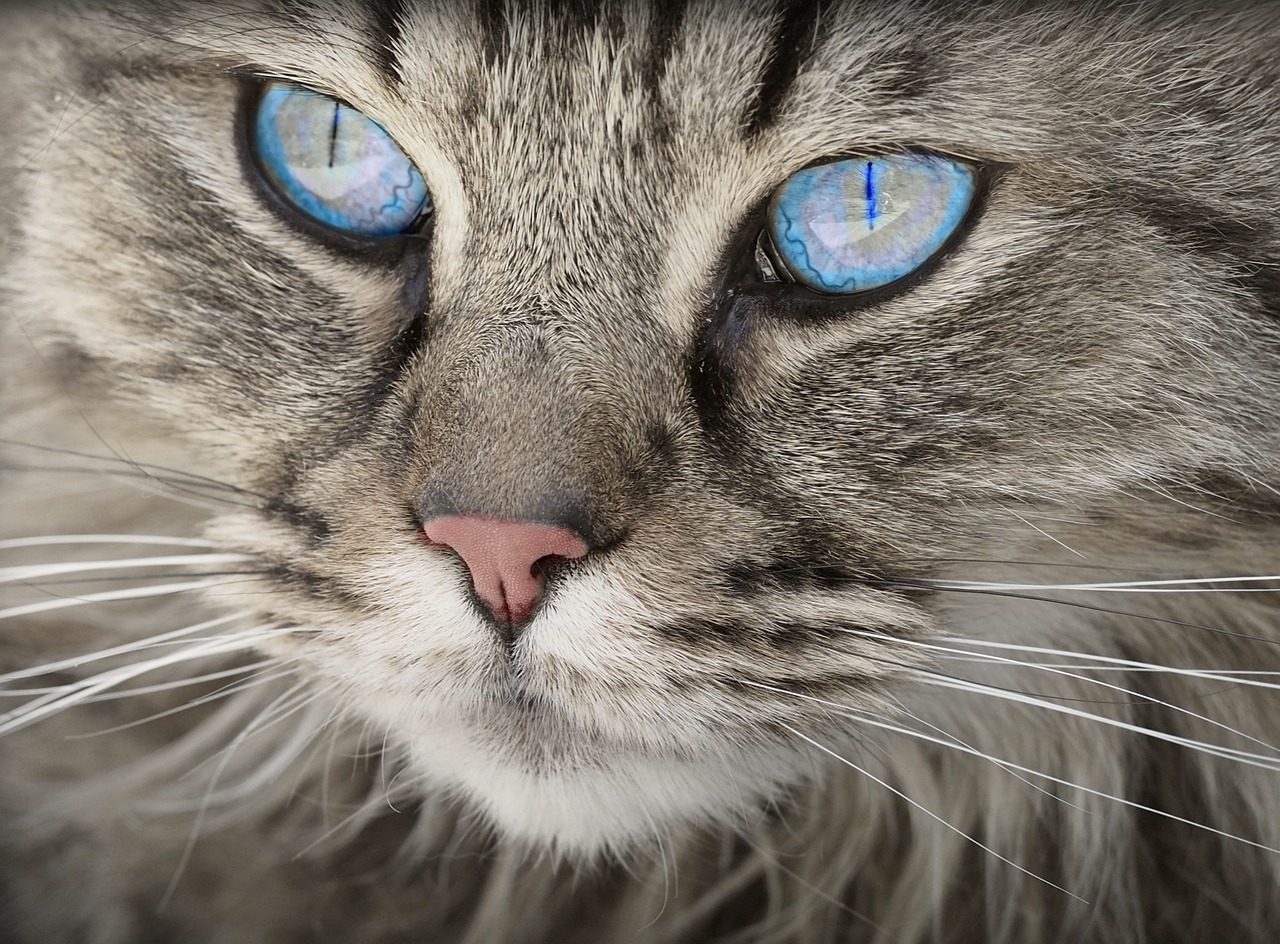
The holidays are a joyous time filled with family, friends, and festive cheer. But amidst the travel plans, delicious feasts, and dazzling decorations, it’s easy to overlook the well-being of our furry, scaled, or feathered companions. Ensuring your pet’s safety and comfort during the holiday season requires careful planning and preparation. From potential hazards to travel anxieties, this guide offers comprehensive pet care tips to help you navigate the holidays with your beloved animals.
Holiday Hazards: Keeping Your Pet Safe
The holidays bring a host of new sights, sounds, and smells, some of which can be dangerous for your pets. Identifying and mitigating these risks is crucial for a safe and happy holiday season.
Toxic Foods
- Chocolate: A classic holiday treat, chocolate contains theobromine, which is toxic to dogs and cats. Dark chocolate is particularly dangerous.
Example: Keep all chocolate candies, including those on the Christmas tree, out of reach.
Actionable Takeaway: Educate guests about the dangers of feeding chocolate to your pet.
- Alcohol: Even small amounts of alcohol can be harmful to pets, causing intoxication, vomiting, and even respiratory distress.
Example: Be mindful of unattended drinks at parties.
Actionable Takeaway: Clean up spills immediately and keep alcoholic beverages out of reach.
- Onions and Garlic: These common ingredients found in holiday dishes can damage red blood cells in dogs and cats, leading to anemia.
Example: Be cautious when offering table scraps, especially those containing onions or garlic.
Actionable Takeaway: Avoid feeding your pet any food that contains onions or garlic, cooked or raw.
- Xylitol: This artificial sweetener, often found in sugar-free baked goods and candies, is extremely toxic to dogs, causing a rapid drop in blood sugar and liver failure.
Example: Read ingredient labels carefully and keep all products containing xylitol out of reach.
Actionable Takeaway: Store xylitol-containing products securely and consider alternatives for your own baking.
Dangerous Decorations
- Christmas Trees: While beautiful, Christmas trees pose several risks. Pine needles can cause gastrointestinal upset if ingested. Tinsel is a choking hazard and can cause intestinal blockage.
Example: Secure your Christmas tree to prevent it from being knocked over. Use a tree skirt to prevent pets from drinking the water, which may contain fertilizer.
Actionable Takeaway: Sweep up fallen pine needles regularly and consider using pet-safe tinsel alternatives, or no tinsel at all.
- Ornaments: Fragile ornaments can shatter if broken, posing a risk of cuts and ingestion.
Example: Place delicate ornaments higher on the tree, out of reach of pets. Use non-toxic, shatterproof ornaments on lower branches.
Actionable Takeaway: Regularly inspect ornaments for damage and replace broken ones immediately.
- Lights: Chewing on electrical cords can result in burns or electrocution.
Example: Secure cords with cord protectors or use pet-safe chew deterrents.
Actionable Takeaway: Turn off holiday lights when you are not home to supervise your pet.
- Poinsettias and other Holiday Plants: Many festive plants are toxic to pets.
Example: Keep poinsettias, lilies, mistletoe, and holly out of reach or consider artificial alternatives.
Actionable Takeaway: Research the toxicity of holiday plants before bringing them into your home and choose pet-friendly options.
Travel Tips for Pets
Traveling with your pet during the holidays can be rewarding, but it requires careful planning. Whether you’re traveling by car, plane, or train, consider these tips to ensure a smooth and stress-free journey.
Car Travel
- Secure your pet: Use a pet carrier or seatbelt harness to keep your pet safe and prevent distractions while driving.
Example: Acclimate your pet to the carrier or harness before the trip by using it for short car rides.
Actionable Takeaway: Never allow your pet to roam freely in the car.
- Plan frequent stops: Stop every few hours to allow your pet to relieve themselves, stretch their legs, and get some fresh air.
Example: Bring water and a collapsible bowl to keep your pet hydrated.
Actionable Takeaway: Pack waste bags for easy cleanup.
- Never leave your pet unattended in a parked car: Temperatures inside a car can rise rapidly, even on mild days, posing a serious risk of heatstroke.
Example: If you need to run errands, bring someone with you to stay with your pet.
Actionable Takeaway: Be aware of the dangers of leaving pets in parked cars, even for short periods.
- Pack a pet travel kit: Include food, water, bowls, leash, collar with ID tags, medications, first-aid supplies, and waste bags.
Example: A favorite toy or blanket can help your pet feel more comfortable.
Actionable Takeaway: Create a comprehensive checklist to ensure you don’t forget anything.
Air Travel
- Consult with your veterinarian: Ensure your pet is healthy enough to travel and that all necessary vaccinations are up-to-date.
Example: Obtain a health certificate from your veterinarian, as required by some airlines.
Actionable Takeaway: Discuss any potential risks or concerns with your veterinarian.
- Choose a pet-friendly airline: Research airline policies regarding pet travel, including carrier size restrictions, fees, and in-cabin or cargo options.
Example: Book a direct flight to minimize travel time and stress.
Actionable Takeaway: Contact the airline directly to confirm their pet travel policies.
- Acclimate your pet to their carrier: Allow your pet to spend time in their carrier before the trip to reduce anxiety.
Example: Place familiar toys and blankets inside the carrier.
Actionable Takeaway: Make the carrier a positive and comfortable space for your pet.
- Consider a sedative (with veterinary approval): For anxious pets, your veterinarian may recommend a sedative to help them relax during the flight.
Example: Always follow your veterinarian’s instructions carefully.
Actionable Takeaway: Never administer sedatives without consulting with your veterinarian.
- Arrive early: Allow plenty of time for check-in and security procedures.
Example: Be prepared to remove your pet from their carrier for security screening.
Actionable Takeaway: Familiarize yourself with airport security procedures for traveling with pets.
Stress Management for Anxious Pets
The holidays can be a stressful time for pets due to changes in routine, increased noise levels, and the presence of unfamiliar guests. Recognizing and managing your pet’s anxiety is important for their well-being.
Create a Safe Space
- Designate a quiet area where your pet can retreat when feeling overwhelmed.
Example: This could be a spare room, a crate, or a cozy corner.
Actionable Takeaway: Ensure the space is comfortable, secure, and easily accessible to your pet.
Maintain Routine
- Stick to your pet’s regular feeding and exercise schedule as much as possible.
Example: Even small changes in routine can trigger anxiety.
Actionable Takeaway: Consistency can provide a sense of security.
Introduce Guests Gradually
- Allow your pet to approach new people at their own pace.
Example: Avoid forcing interactions or overwhelming your pet.
Actionable Takeaway: Encourage guests to offer treats and speak in a calm, soothing voice.
Provide Enrichment
- Offer puzzle toys, chew toys, or interactive games to keep your pet mentally stimulated and prevent boredom.
Example: A stuffed Kong or a treat-dispensing ball can provide hours of entertainment.
Actionable Takeaway: Choose toys that are appropriate for your pet’s size and chewing habits.
Consider Calming Aids
- Pheromone Diffusers: Products like Adaptil (for dogs) and Feliway (for cats) release synthetic pheromones that can help reduce anxiety.
Example: Place a diffuser in your pet’s safe space.
Actionable Takeaway: Start using the diffuser a few days before the holidays to allow it to take effect.
- Anxiety Vests: These vests apply gentle pressure to the pet’s body, which can have a calming effect.
Example: Thundershirts are a popular brand of anxiety vests.
Actionable Takeaway: Introduce the vest gradually and monitor your pet’s reaction.
- Herbal Supplements: Some herbal supplements, such as chamomile and valerian root, may have calming properties.
Example: Consult with your veterinarian before using any herbal supplements.
Actionable Takeaway: Choose supplements specifically formulated for pets and follow dosage instructions carefully.
Holiday Pet-Proofing Your Home
Before the festivities begin, take steps to pet-proof your home to minimize potential hazards.
Secure Wires and Cords
- Use cord protectors or tape to conceal electrical cords and prevent chewing.
Example: Consider using a bitter apple spray on cords to deter chewing.
Actionable Takeaway: Regularly inspect cords for damage.
Remove Temptations
- Keep holiday decorations, food, and gifts out of reach.
Example: Store candies and chocolates in sealed containers.
Actionable Takeaway: Think from your pet’s perspective and identify potential temptations.
Supervise Interactions
- Monitor interactions between pets and guests, especially children.
Example: Teach children how to interact with pets respectfully.
Actionable Takeaway: Intervene if you notice any signs of stress or discomfort.
Secure the Trash
- Use a trash can with a secure lid to prevent pets from scavenging.
Example: Dispose of food scraps and wrappers promptly.
Actionable Takeaway: Empty the trash can regularly.
Conclusion
The holidays should be a time of joy for everyone, including your pets. By taking the necessary precautions and planning ahead, you can ensure that your furry, scaled, or feathered friends stay safe, comfortable, and happy throughout the festive season. Remember to be mindful of potential hazards, plan travel arrangements carefully, manage stress effectively, and pet-proof your home. With a little extra effort, you can create a memorable and pet-friendly holiday celebration.