

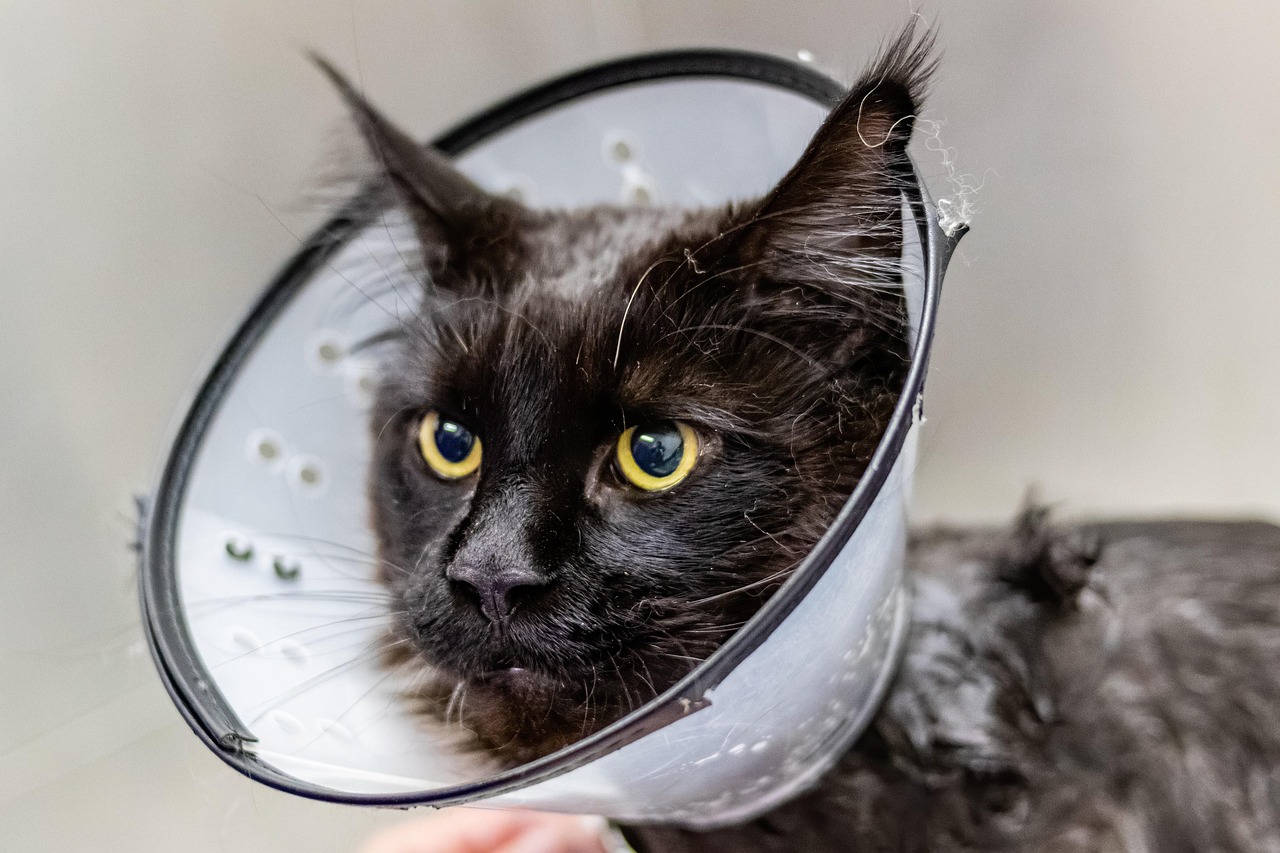
Vaccinating your beloved pet is one of the most important things you can do to ensure their health and longevity. Understanding the recommended vaccine schedule and the diseases they protect against can be overwhelming. This comprehensive pet vaccine guide will break down everything you need to know to make informed decisions about your furry friend’s health, covering everything from core vaccines to lifestyle-based recommendations.
Understanding Pet Vaccines
What are Pet Vaccines?
Pet vaccines, just like human vaccines, work by exposing your animal’s immune system to a weakened or inactive form of a disease-causing organism, also known as an antigen. This exposure triggers the immune system to produce antibodies that will protect your pet if they ever encounter the real disease. Think of it like a training exercise for their immune system!
Why are Vaccines Important?
- Protection from Deadly Diseases: Vaccines can prevent potentially fatal diseases like rabies, distemper, parvovirus, and feline leukemia virus (FeLV).
- Reduced Severity of Illness: Even if a vaccinated pet contracts a disease, the symptoms are often less severe.
- Community Immunity (Herd Immunity): Vaccinating your pet helps protect other animals in your community, including those too young to be vaccinated or those with compromised immune systems.
- Preventing Zoonotic Diseases: Some pet vaccines, like the rabies vaccine, also protect humans from diseases that can be transmitted from animals to people.
- Reduced Veterinary Costs: Prevention is almost always cheaper than treatment. Vaccinating your pet can save you money on expensive veterinary bills in the long run.
- Example: Parvovirus is a highly contagious and often deadly disease in puppies. A simple parvovirus vaccine can provide strong immunity and protect your puppy from this devastating illness.
Core Vaccines for Dogs
What are Core Vaccines?
Core vaccines are those recommended for all dogs, regardless of their lifestyle or geographic location. They protect against diseases that are highly contagious, pose a significant health risk, and are often fatal.
Canine Distemper Combination (DA2PP/DHPP)
This combination vaccine typically includes protection against:
- Distemper: A severe viral disease that affects the respiratory, gastrointestinal, and nervous systems.
- Adenovirus (Canine Hepatitis): A viral infection that can cause liver damage, respiratory issues, and eye problems.
- Parvovirus: A highly contagious and often fatal disease that causes severe vomiting and diarrhea.
- Parainfluenza: A respiratory virus that contributes to kennel cough.
- Schedule: Typically administered as a series of shots starting at 6-8 weeks of age, with boosters every 3-4 weeks until 16 weeks of age. Booster shots are usually given annually or every three years, depending on the specific vaccine and local regulations.
Rabies Vaccine
Rabies is a fatal viral disease that affects the central nervous system. It’s transmitted through the saliva of infected animals.
- Legally Required: In most areas, rabies vaccination is legally required for dogs.
- Public Health Concern: Rabies is a zoonotic disease, meaning it can be transmitted to humans, making vaccination a critical public health measure.
- Schedule: The initial rabies vaccine is usually given at 12-16 weeks of age, followed by a booster one year later. Depending on the vaccine type and local regulations, boosters are typically required every one to three years.
- Tip: Keep accurate records of your dog’s rabies vaccinations, as they may be required for licensing, travel, and in the event of a bite.
Core Vaccines for Cats
What are Core Vaccines?
Similar to dogs, core vaccines for cats are recommended for all cats, regardless of their lifestyle. They protect against common and severe diseases.
Feline Distemper Combination (FVRCP)
This combination vaccine protects against:
- Feline Viral Rhinotracheitis (FVR): A common upper respiratory infection caused by feline herpesvirus.
- Feline Calicivirus (C): Another upper respiratory virus that can cause oral ulcers.
- Feline Panleukopenia (P): A highly contagious and often fatal disease also known as feline distemper.
- Schedule: Typically administered as a series of shots starting at 6-8 weeks of age, with boosters every 3-4 weeks until 16 weeks of age. A booster is given one year later, followed by boosters every one to three years, depending on the specific vaccine.
Rabies Vaccine
Just like in dogs, rabies vaccination is crucial for cats to protect against this deadly disease.
- Legally Required in Many Areas: Many jurisdictions require rabies vaccination for cats, even indoor-only cats.
- Preventative Health: While less common in indoor cats, bats and other wildlife can still enter the home, making rabies protection essential.
- Schedule: The initial rabies vaccine is typically given at 12-16 weeks of age, followed by a booster one year later. Boosters are usually required every one to three years, depending on the vaccine type and local regulations.
Non-Core Vaccines (Lifestyle Vaccines)
What are Non-Core Vaccines?
Non-core vaccines are recommended based on a pet’s individual risk factors, such as lifestyle, geographic location, and exposure to other animals. Your veterinarian can help you determine which non-core vaccines are appropriate for your pet.
Non-Core Canine Vaccines
- Bordetella (Kennel Cough): Recommended for dogs that frequent boarding facilities, dog parks, or participate in group training classes.
- Leptospirosis: Recommended for dogs that spend time outdoors, especially in areas with standing water or wildlife.
- Lyme Disease: Recommended for dogs in areas where Lyme disease is prevalent and where tick exposure is likely.
- Canine Influenza: Recommended for dogs that frequent boarding facilities, dog parks, or participate in group activities, especially in areas where canine influenza outbreaks have been reported.
Non-Core Feline Vaccines
- Feline Leukemia Virus (FeLV): Recommended for kittens and cats that have outdoor access or live in multi-cat households, as FeLV is transmitted through saliva and close contact.
- Feline Immunodeficiency Virus (FIV): Considered for cats that go outdoors and may get into fights. Test first to ensure the cat is FIV negative.
- Bordetella: May be recommended for cats that frequent boarding facilities or live in multi-cat households with a history of respiratory infections.
- Example: A dog that regularly attends doggy daycare and goes hiking in wooded areas would likely benefit from Bordetella, Leptospirosis, and Lyme disease vaccines.
Vaccine Schedules and Considerations
Puppy and Kitten Vaccination Schedules
Puppies and kittens require a series of vaccinations to build immunity. These vaccinations are typically administered every 3-4 weeks until they are 16 weeks of age.
- Maternal Antibodies: Young animals receive some immunity from their mother’s milk, but this immunity wanes over time, making vaccinations necessary.
- Boosters: Booster shots are crucial to ensure long-lasting immunity.
- Example Puppy Schedule (General):
- 6-8 weeks: DA2PP
- 10-12 weeks: DA2PP, Bordetella
- 14-16 weeks: DA2PP, Rabies
- Example Kitten Schedule (General):
- 6-8 weeks: FVRCP
- 10-12 weeks: FVRCP, FeLV (if applicable)
- 14-16 weeks: FVRCP, Rabies, FeLV (if applicable)
- Important Note: These are general examples; consult your veterinarian for a schedule tailored to your pet’s specific needs.
Adult Booster Schedules
Adult dogs and cats require regular booster vaccinations to maintain immunity. The frequency of boosters depends on the specific vaccine and local regulations.
- Annual vs. Triennial: Some vaccines are given annually, while others are given every three years.
- Titer Testing: In some cases, titer testing (measuring antibody levels) can be used to determine if a booster is necessary. However, many veterinarians still recommend regular boosters, as titer testing may not always accurately predict protection.
Potential Vaccine Side Effects
Vaccines are generally safe, but some pets may experience mild side effects, such as:
- Soreness at the injection site
- Mild fever
- Lethargy
- Loss of appetite
These side effects are usually mild and resolve within a few days. Rarely, more serious side effects, such as allergic reactions, can occur. Contact your veterinarian immediately if you notice any unusual symptoms after your pet receives a vaccine.
Conclusion
Vaccinating your pet is a vital part of responsible pet ownership. By understanding the core and non-core vaccines available, and working closely with your veterinarian to develop a personalized vaccination schedule, you can help protect your furry friend from potentially life-threatening diseases and ensure they live a long, healthy, and happy life. Regular veterinary check-ups and consistent vaccination are essential to proactive pet care.