

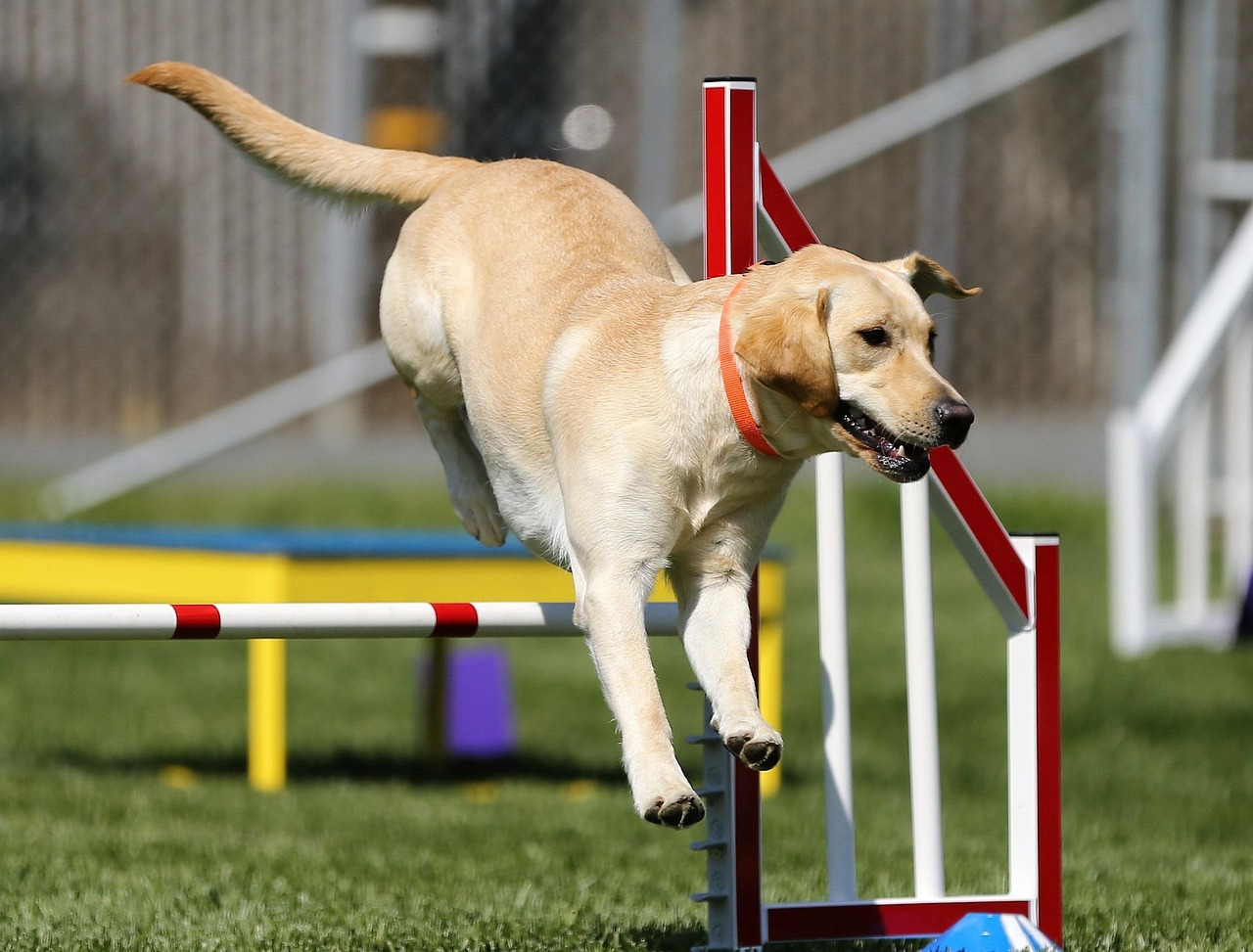
Digging: it’s a natural canine behavior, deeply rooted in their ancestry. While perfectly normal, a dog digging can be frustrating for owners who cherish their gardens or tidy yards. Understanding why dogs dig is the first step to redirecting this behavior and creating a harmonious outdoor space for both you and your furry friend. This article provides practical solutions and insights to help you stop your dog from digging and maintain a beautiful, dig-free environment.
Understanding Why Dogs Dig
Digging isn’t just a random act; it’s often driven by specific motivations. Identifying the root cause of your dog’s digging habit is crucial for effective intervention.
Boredom and Lack of Exercise
- A common reason for digging is simply boredom. Dogs, particularly high-energy breeds, need physical and mental stimulation.
- If they aren’t getting enough exercise, they may resort to digging to burn off excess energy.
- Example: A young Labrador left alone in the backyard for long periods may dig out of sheer boredom and a need for activity.
- Solution: Increase daily walks, incorporate play sessions like fetch or tug-of-war, and provide stimulating toys. Puzzle feeders are a great way to keep them mentally engaged.
Seeking Comfort
- Dogs often dig to create a cool spot in hot weather or a warm shelter during colder months.
- They might be trying to reach cooler soil beneath the surface or create a nest for protection.
- Example: A dog digging under a deck or near a shaded area is likely seeking relief from the heat.
- Solution: Ensure your dog has access to adequate shade and fresh water in hot weather. Provide a comfortable, insulated dog house in colder climates.
Hunting Instincts
- Many dogs, especially terriers and hounds, have a strong hunting instinct that drives them to dig.
- They may be trying to unearth rodents, insects, or other small creatures living underground.
- Example: A Jack Russell Terrier obsessively digging near a fence line might be trying to catch a squirrel or mouse.
- Solution: Redirect their hunting instincts with appropriate activities like scent work or flirt pole exercises. Supervise them closely in areas where rodents are prevalent.
Anxiety and Escape
- Digging can also be a sign of anxiety or a desire to escape.
- Dogs might dig at fences or gates in an attempt to get out of the yard.
- Example: A dog that digs frantically at the fence whenever left alone may be suffering from separation anxiety.
- Solution: Address the underlying anxiety with professional training or behavioral therapy. Ensure the yard is securely fenced to prevent escapes. Consider dog-proofing the fence by burying wire mesh or adding an L-footer.
Redirecting the Digging Behavior
Once you’ve identified the reason behind your dog’s digging, you can implement strategies to redirect the behavior.
Create a Designated Digging Area
- Instead of trying to eliminate digging altogether, consider providing a designated digging area.
- This gives your dog an acceptable outlet for their natural digging instincts.
- How to:
Choose a specific area in your yard.
Fill it with loose soil or sand.
Bury toys or treats in the digging area to encourage your dog to use it.
Reward your dog when they dig in the designated spot.
- Example: A sandbox filled with sand can be an excellent digging area for smaller dogs. For larger dogs, a dedicated corner of the yard with loose soil works well.
Increase Exercise and Mental Stimulation
- A tired dog is less likely to dig out of boredom.
- Ensure your dog is getting enough physical and mental exercise each day.
- Activities:
Daily walks or runs
Play sessions (fetch, tug-of-war)
Puzzle toys
Obedience training
Agility training
- Example: Try incorporating a 30-minute walk in the morning and a play session in the evening to tire out your dog.
Use Deterrents
- Several deterrents can discourage dogs from digging in unwanted areas.
- These methods should be used humanely and with careful consideration.
- Examples:
Motion-activated sprinklers: These can startle dogs and deter them from digging in certain areas.
Citrus peels: Dogs generally dislike the smell of citrus. Place orange or lemon peels in areas where your dog likes to dig.
Chicken wire: Laying chicken wire just under the surface of the soil can make digging uncomfortable.
Rocks or pavers: Covering the soil with rocks or pavers can make it difficult for dogs to dig.
- Important: Never use harmful substances like mothballs or cayenne pepper, as these can be toxic to dogs.
Managing the Environment
Controlling the environment can also help prevent digging. Simple adjustments to your yard can make a big difference.
Secure Fences
- Ensure your fence is secure and prevents your dog from escaping.
- Address any gaps or weaknesses in the fence.
- Consider burying the fence deeper into the ground or adding an L-footer (a section of fencing that extends horizontally underground) to prevent digging under the fence.
- Example: If your dog is digging under the fence, burying chicken wire or hardware cloth along the base of the fence can deter them.
Provide Shade and Shelter
- Make sure your dog has access to shade and shelter to prevent digging for comfort.
- A dog house, shaded area, or access to the indoors can help regulate their temperature.
- Example: Planting trees or installing a patio umbrella can provide shade in hot weather. A well-insulated dog house can offer protection from the cold.
Supervise Outdoor Time
- Supervising your dog when they are outside allows you to redirect unwanted digging behavior in real-time.
- When you see your dog starting to dig, interrupt them and redirect their attention to an alternative activity, such as playing with a toy or going for a walk.
- Example: If you catch your dog digging in the garden, say “No!” firmly and immediately redirect them to their designated digging area or engage them in a game of fetch.
Professional Help
If you’re struggling to stop your dog from digging, consider seeking professional help.
Consult a Veterinarian
- A veterinarian can rule out any underlying medical conditions that may be contributing to the digging behavior.
- Certain medical issues can cause anxiety or discomfort, leading to excessive digging.
Work with a Certified Dog Trainer or Behaviorist
- A certified dog trainer or behaviorist can assess your dog’s behavior and develop a customized training plan to address the digging problem.
- They can teach you effective techniques for redirecting the behavior and managing your dog’s environment.
- Benefits:
Expert guidance and support
Personalized training plan
Long-term solutions
* Improved communication with your dog
Conclusion
Stopping a dog from digging requires patience, understanding, and consistency. By identifying the underlying causes of the digging behavior and implementing strategies to redirect it, you can create a harmonious outdoor environment for both you and your furry friend. Remember to provide plenty of exercise and mental stimulation, create a designated digging area, and manage the environment to prevent unwanted digging. If you’re struggling to manage the problem on your own, don’t hesitate to seek professional help from a veterinarian or certified dog trainer. With the right approach, you can stop your dog digging and enjoy a beautiful, dig-free yard.