

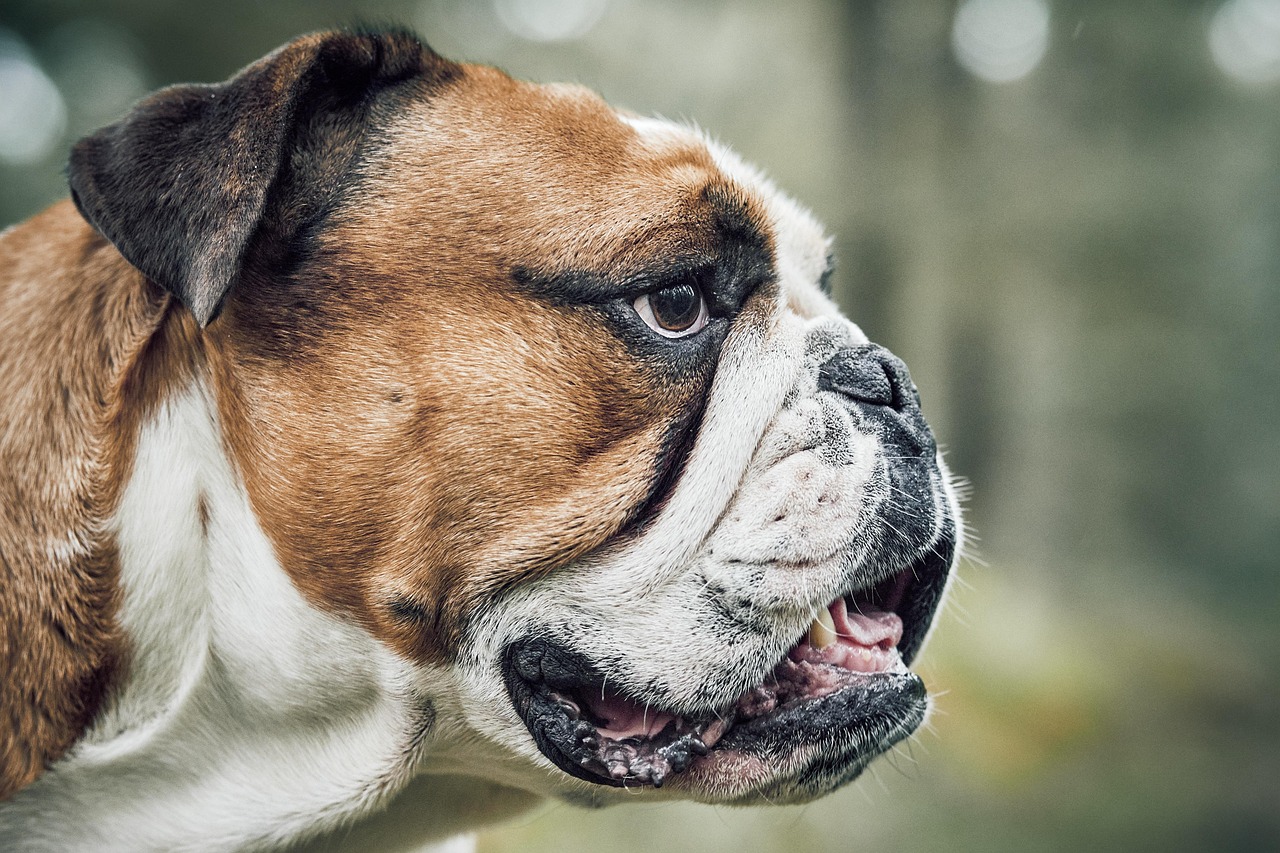
Thinking about adding some excitement to your dog’s life (and yours)? Dog sports offer a fantastic way to bond with your furry friend, provide mental and physical stimulation, and even socialize with other dog lovers. But where do you begin? The world of dog sports can seem overwhelming at first glance. This guide is designed to break down some of the most accessible and enjoyable dog sports for beginners, providing you with the information you need to get started on this rewarding journey.
Agility: The Obstacle Course for Dogs
Agility is arguably the most popular dog sport and involves navigating a course of obstacles within a set time. It’s a fantastic workout for both you and your dog and builds incredible teamwork.
What’s Involved in Agility?
- Obstacles include jumps, tunnels, weave poles, A-frames, dog walks, and teeter-totters.
- The handler guides the dog through the course using verbal cues and body language.
- Courses are designed to test the dog’s speed, agility, and obedience.
- Different levels of competition exist, starting with beginner classes.
Benefits of Agility
- Physical Exercise: Great for burning energy and maintaining a healthy weight.
- Mental Stimulation: Challenges your dog to think and problem-solve.
- Improved Obedience: Requires strong communication and control.
- Bonding: Enhances the relationship between you and your dog.
- Socialization: Provides opportunities to interact with other dogs and handlers.
Getting Started with Agility
Obedience: Precision and Control
Obedience training takes basic commands to the next level, requiring dogs to perform exercises with precision and control. It’s a foundation for many other dog sports.
What’s Involved in Obedience?
- Exercises include heeling (walking politely on a leash), recalls (coming when called), stays, retrieves, and jumping.
- Dogs are judged on their accuracy, willingness, and enthusiasm.
- Different levels of competition exist, each with increasing difficulty.
Benefits of Obedience
- Improved Control: Enhances your dog’s reliability in everyday situations.
- Strengthened Bond: Requires clear communication and teamwork.
- Mental Stimulation: Challenges your dog to focus and learn new skills.
- Foundation for Other Sports: Provides a solid base for agility, rally, and other activities.
- Increased Confidence: Boosts your dog’s confidence by providing structure and clear expectations.
Getting Started with Obedience
Rally: A Fun and Fast-Paced Obedience Hybrid
Rally is a more relaxed and less formal version of obedience, emphasizing teamwork and communication between the dog and handler. It involves navigating a course with numbered stations, each requiring a specific obedience exercise.
What’s Involved in Rally?
- Courses consist of 10-20 stations with signs indicating the exercise to be performed.
- Exercises include heeling, turns, recalls, and stays.
- Handlers are allowed to encourage their dogs with verbal praise and gestures.
- Emphasis is placed on teamwork and positive communication.
Benefits of Rally
- Fun and Engaging: More relaxed than traditional obedience, making it enjoyable for both dog and handler.
- Improved Teamwork: Requires strong communication and collaboration.
- Reinforces Obedience Skills: Strengthens basic obedience commands in a dynamic setting.
- Mental Stimulation: Challenges your dog to think and follow instructions.
- Socialization: Provides opportunities to interact with other dogs and handlers.
Getting Started with Rally
Canine Disc (Frisbee): Catching Air
Canine disc, often called Frisbee dog, is an exhilarating sport that involves throwing a disc for your dog to catch. It’s a high-energy activity that’s great for dogs with a strong prey drive.
What’s Involved in Canine Disc?
- Dogs catch Frisbees thrown by their handlers.
- Points are awarded based on distance, accuracy, and aerial acrobatics.
- Different formats include distance competitions and freestyle routines.
- Safety is paramount; using appropriate discs and teaching proper catching techniques are crucial.
Benefits of Canine Disc
- Physical Exercise: Excellent for burning energy and improving cardiovascular health.
- Mental Stimulation: Requires focus, coordination, and problem-solving.
- Bonding: Enhances the relationship between you and your dog through shared activity.
- Fun and Exciting: Provides a thrilling outlet for high-energy dogs.
- Improved Recall: Enhances your dog’s recall skills as they return with the disc.
Getting Started with Canine Disc
Conclusion
Dog sports offer a wonderful way to enrich your dog’s life and deepen your bond. Whether you choose the exhilarating jumps of agility, the precise movements of obedience, the engaging courses of rally, or the high-flying action of canine disc, there’s a dog sport out there for every dog and handler team. Remember to start slowly, prioritize safety, and most importantly, have fun! As you and your dog learn, you’ll not only develop skills but also create lasting memories.