

Running with your dog can be an incredibly rewarding experience, providing both you and your furry friend with much-needed exercise and bonding time. But jumping straight into a marathon isn’t the answer. Before hitting the pavement, understanding the fundamentals of safe and effective dog running is crucial. This guide will equip you with the knowledge and tips to start running with your dog safely, ensuring both of you enjoy a healthy and fun activity together.
Is Your Dog Ready to Run?
Before you lace up your running shoes, it’s essential to assess whether your dog is physically suited for running. Not all dogs are built the same, and certain breeds and ages may not be ideal candidates.
Breed Considerations
- Ideal Running Breeds: Breeds like Huskies, Border Collies, German Shepherds, Vizslas, and Weimaraners are naturally inclined to run. Their stamina, build, and energy levels make them excellent running companions.
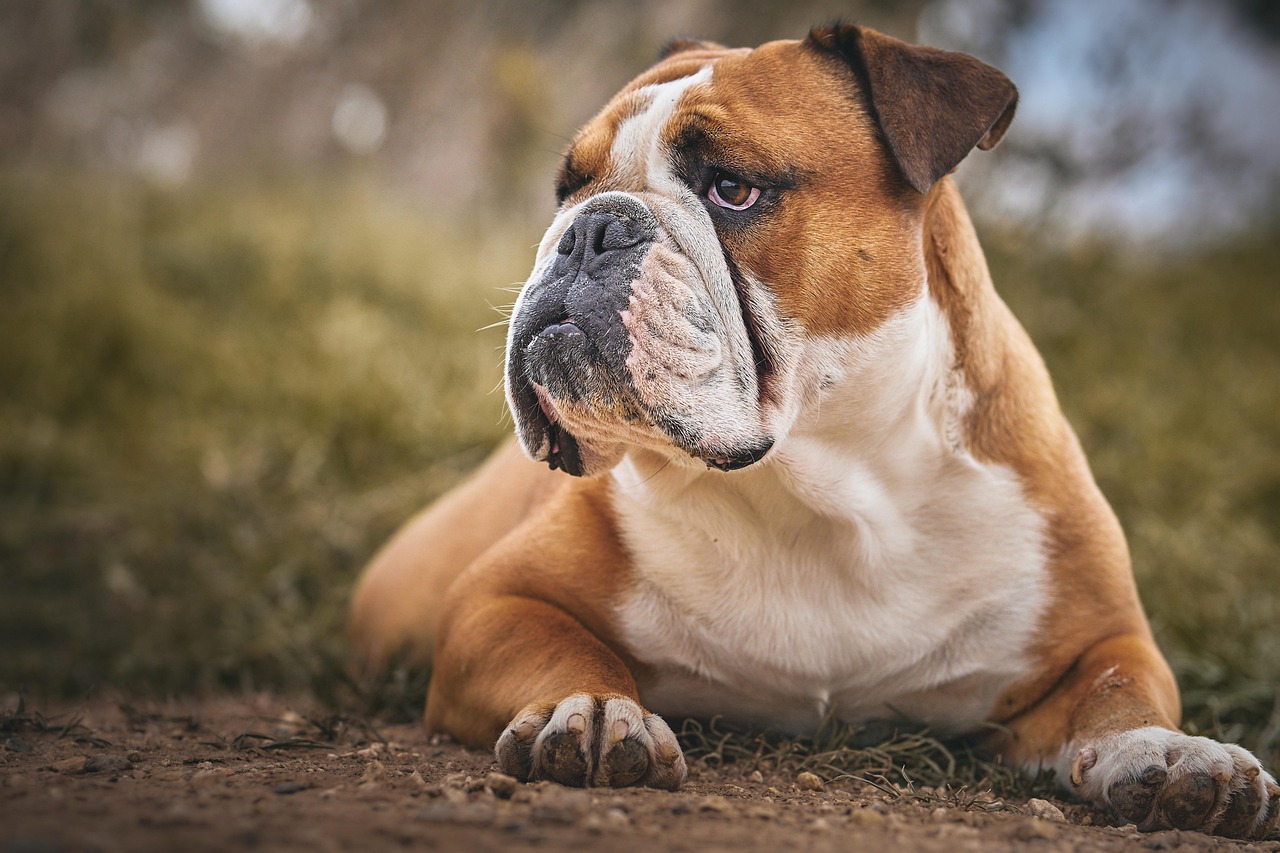
- Breeds to Exercise Caution With: Brachycephalic (short-nosed) breeds like Bulldogs, Pugs, and Boxers can struggle with breathing during exercise. Giant breeds like Great Danes and Saint Bernards are prone to joint problems and should be introduced to running slowly and carefully, if at all.
- Practical Example: A Siberian Husky can likely handle a 5-mile run with ease, while a Bulldog might struggle to complete a short walk. Adjust your expectations and running plans accordingly.
Age and Health
- Puppies: Avoid running puppies until their growth plates are fully closed (typically around 12-18 months, depending on the breed). Running too early can lead to joint problems later in life.
- Senior Dogs: Older dogs may have arthritis or other age-related issues. Consult your vet before starting a running program with a senior dog.
- Overall Health: A vet check-up is essential before starting any new exercise program, especially running. The vet can assess your dog’s heart, lungs, and joints to ensure they’re up for the challenge.
- Data Point: According to the American Veterinary Medical Association, obesity affects approximately 59.5% of dogs in the United States. Running can be a great way to combat this, but only if done safely.
Assessing Your Dog’s Current Fitness
- Start with short walks and gradually increase the distance and pace. Observe your dog for signs of fatigue, such as excessive panting, lagging behind, or limping.
- Actionable Takeaway: If your dog shows any signs of discomfort, stop immediately and consult your vet.
Essential Running Gear
Having the right gear can make running with your dog more enjoyable and safer.
Leashes and Collars/Harnesses
- Hands-Free Leash: A hands-free leash allows you to maintain a natural running form while keeping your dog close.
- Standard Leash (4-6 feet): Avoid retractable leashes, as they don’t provide adequate control.
- Harness vs. Collar: A harness is often preferable to a collar, especially for dogs who pull. It distributes pressure more evenly across the chest, reducing the risk of neck injuries.
- Example: Ruffwear and PetSafe offer a variety of high-quality hands-free leashes and harnesses suitable for running.
Hydration and Nutrition
- Portable Water Bowl: Carry a collapsible water bowl and water bottle to keep your dog hydrated, especially during warmer weather.
- Dog-Specific Hydration Packs: Some companies make backpacks designed for dogs that allow them to carry their own water.
- Electrolyte Supplements: On longer runs, consider adding an electrolyte supplement to your dog’s water to help replenish lost minerals. Consult with your veterinarian regarding safe and effective electrolyte products.
- Snacks: Bring high-energy dog treats for longer runs to maintain your dog’s energy levels.
- Tip: Offer water every 15-20 minutes, especially during warmer runs.
Safety Accessories
- Dog Booties: Protect your dog’s paws from hot pavement, ice, or rough terrain.
- Reflective Gear: Use reflective vests or collars, especially when running in low-light conditions.
- Identification: Ensure your dog has proper identification, including a collar with tags and a microchip.
- Poop Bags: Always clean up after your dog.
Building a Running Routine
Consistency and gradual progression are key to establishing a successful running routine with your dog.
Gradual Progression
- Start Slow: Begin with short intervals of running and walking. Gradually increase the running intervals and decrease the walking intervals as your dog’s fitness improves.
- The 10% Rule: Increase your weekly mileage by no more than 10% to prevent injuries.
- Rest Days: Allow for rest days to allow your dog’s muscles to recover.
- Example: Start with a 20-minute walk/run, alternating between 2 minutes of running and 3 minutes of walking. Gradually increase the running intervals until you can run continuously for the entire 20 minutes.
Training Schedule
- Weekly Schedule: A sample training schedule might include 3-4 runs per week, with rest days in between.
- Cross-Training: Incorporate other forms of exercise, such as swimming or hiking, to provide variety and prevent overuse injuries.
- Listen to Your Dog: Pay attention to your dog’s body language and adjust the training schedule as needed.
- Data Point: Studies have shown that gradual progression in exercise reduces the risk of musculoskeletal injuries in both humans and dogs.
Running Etiquette
- Leash Control: Maintain control of your dog at all times, especially in crowded areas.
- Trail Rules: Be aware of trail rules and regulations, such as leash laws and trail closures.
- Respect Others: Be considerate of other runners, walkers, and cyclists on the trail.
- Practical Tip: Keep your dog to the side of the trail to allow others to pass safely.
Running Safely
Prioritizing safety is paramount to ensure a positive running experience for both you and your dog.
Weather Considerations
- Hot Weather: Avoid running during the hottest part of the day. Opt for early morning or late evening runs when the temperature is cooler.
- Heatstroke: Be aware of the signs of heatstroke, such as excessive panting, drooling, vomiting, and collapse.
- Cold Weather: Protect your dog from the cold with a dog coat, especially for short-haired breeds.
- Icy Conditions: Avoid running on icy surfaces, as they can be slippery and dangerous.
- Actionable Takeaway: If the weather is extreme, it’s best to skip the run altogether.
Monitoring Your Dog’s Condition
- Panting: Excessive panting can be a sign of overheating.
- Limping: Stop running immediately if your dog starts limping.
- Dehydration: Ensure your dog is well-hydrated before, during, and after the run.
- Paw Protection: Regularly check your dog’s paws for cuts, blisters, or abrasions.
- Practical Example: If your dog is panting heavily and has bright red gums, cool them down immediately with water and seek veterinary attention.
Common Injuries
- Paw Injuries: Cuts, abrasions, and blisters are common paw injuries.
- Joint Problems: Running can exacerbate existing joint problems, such as hip dysplasia or arthritis.
- Muscle Strains: Overexertion can lead to muscle strains.
- Actionable Tip: Consult your vet if you suspect your dog has sustained an injury.
Conclusion
Running with your dog can be an amazing way to bond and stay healthy, but it’s essential to do it safely and responsibly. By considering your dog’s breed, age, and fitness level, investing in the right gear, building a gradual training routine, and prioritizing safety, you can enjoy many happy and healthy runs together. Remember to always listen to your dog’s needs and adjust your plans accordingly. With careful planning and attention to detail, you and your furry friend can experience the joy and benefits of running together for years to come.