

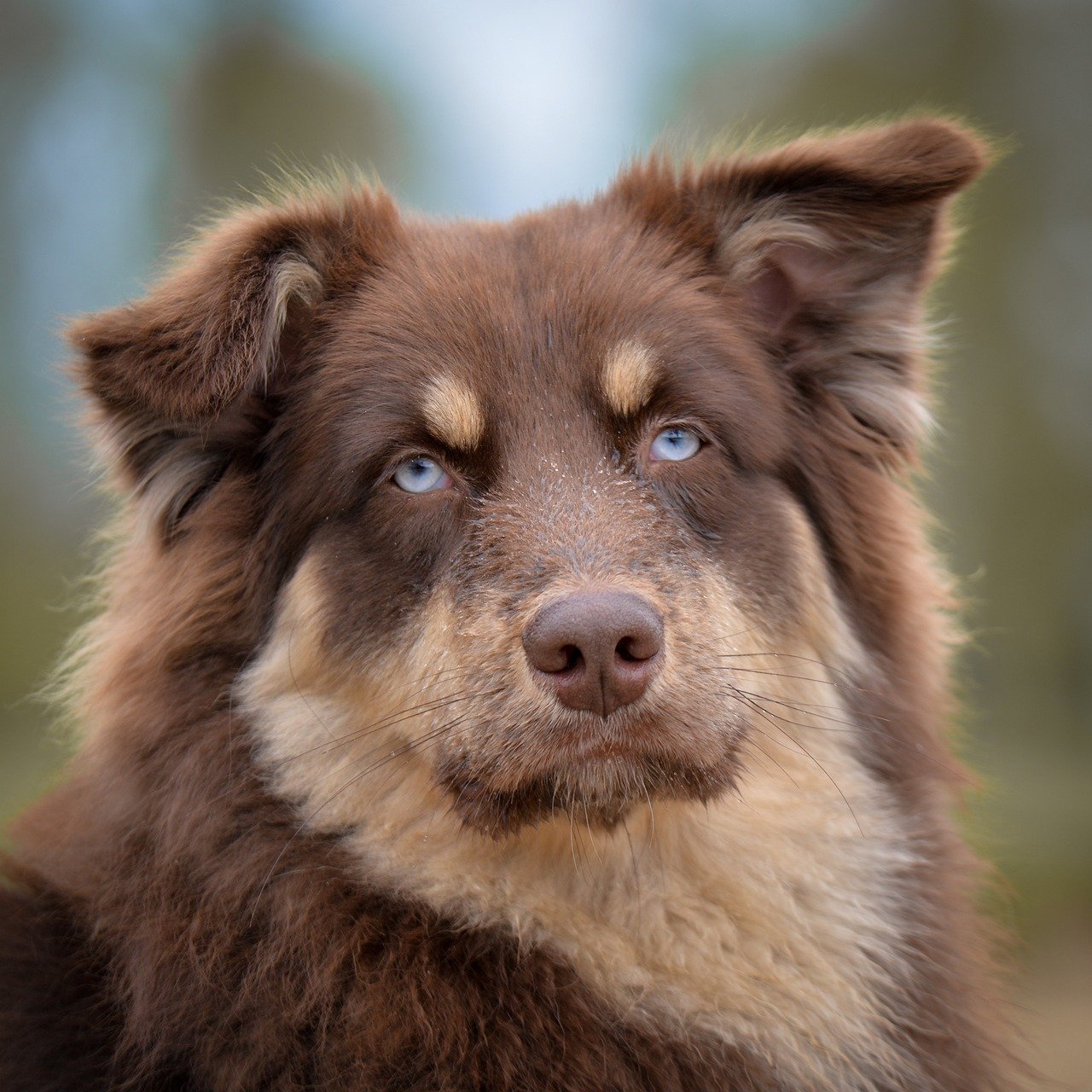
Imagine a world where walks are peaceful, greetings are calm, and your dog waits patiently for their dinner. This isn’t just a dream – it’s the reality achievable through dog impulse control training. Impulse control is the foundation for a well-behaved and happy canine companion. It’s not about stifling their personality, but rather equipping them with the skills to make better choices in exciting or challenging situations.
Understanding Dog Impulse Control
What is Impulse Control?
Impulse control refers to a dog’s ability to restrain themselves from acting on immediate urges or instincts. This includes inhibiting behaviors like:
- Jumping on guests
- Bolting out of doors
- Pulling on the leash
- Snatching food
- Excessive barking
Why is Impulse Control Important?
Training impulse control isn’t just about good manners; it’s crucial for a dog’s overall well-being and safety.
- Safety: Prevents dogs from running into traffic, eating dangerous objects, or engaging in aggressive behaviors.
- Improved Obedience: Makes training easier and more effective across the board.
- Reduced Anxiety: Helps dogs stay calmer in stimulating environments, reducing stress and anxiety.
- Stronger Bond: Builds trust and respect between you and your dog.
- Social Harmony: Creates a more pleasant experience for both your dog and those around them. Research shows that dogs with better impulse control are less likely to exhibit reactivity or aggression towards other dogs and people.
Benefits of Impulse Control Training
- More relaxed and enjoyable walks.
- Calm and polite greetings.
- Improved focus and attention during training sessions.
- A happier, more confident dog.
- A stronger, more fulfilling relationship with your canine friend.
Essential Impulse Control Exercises
“Leave It”
“Leave It” is a foundational command that teaches your dog to ignore something they are interested in.
- How to Teach It: Start with a low-value object (like a toy). Place it on the floor and cover it with your hand. Say “Leave It.” If your dog tries to get to it, keep your hand firmly in place. Once they stop trying, praise them and give them a treat from your other hand. Gradually progress to leaving the object uncovered and then to higher-value items like food.
- Practical Example: If your dog tries to pick up a discarded piece of food on the street, use “Leave It” to redirect their attention. Reward them with a treat or praise for complying.
- Troubleshooting: If your dog isn’t responding, ensure the reward you’re offering is more enticing than the object you’re asking them to leave.
“Wait”
“Wait” teaches your dog to pause and remain in place until released.
- How to Teach It: Start with your dog in a sit or stay position. Say “Wait” and take a small step away. If they stay, return and reward them. Gradually increase the distance and duration of the wait.
- Practical Example: Use “Wait” before opening the door to prevent your dog from bolting out. Release them with a cue like “Okay” or “Go Ahead.”
- Troubleshooting: If your dog breaks the wait, simply reset them to the starting position and try again. Avoid getting frustrated.
“Stay”
“Stay” is similar to “Wait,” but generally implies a longer duration and can be used in various positions (sit, down, stand).
- How to Teach It: Start with your dog in a sit, down, or stand position. Say “Stay” clearly and hold your hand up in a stop signal. Start with short durations, gradually increasing the time.
- Practical Example: Use “Stay” to keep your dog from approaching strangers or other dogs without your permission.
- Troubleshooting: Use positive reinforcement. Reward successful stays with praise and treats. If your dog breaks the stay, go back to shorter durations.
Impulse Control Games
Playing games that encourage impulse control is a fun and engaging way to train your dog.
- “It’s Yer Choice”: Place a treat in your hand and close your fist. Let your dog sniff and lick your hand. As soon as they stop trying to get the treat, open your hand and give them the treat. Gradually increase the time they have to wait before receiving the reward.
- Red Light, Green Light: Play this game like you did as a kid! Start by moving forward and saying “Green Light,” encouraging your dog to follow. Then say “Red Light” and stop. Reward them for stopping with you. Increase the distance and speed as they improve.
- Treat Placement: Place several treats in a line on the floor. Initially, cover them with your hands. Then, gradually uncover each treat, one at a time, asking your dog to “Leave It” before allowing them to eat the treat when you give the release cue.
Training Techniques and Tips
Positive Reinforcement
Positive reinforcement is key to successful impulse control training. Reward desired behaviors with treats, praise, or toys. Avoid punishment, as it can damage your relationship and create anxiety.
- Example: When your dog successfully waits before eating their food, reward them with enthusiastic praise and a tasty treat.
Consistency is Key
Be consistent with your commands and expectations. Use the same cues every time and practice regularly. Consistency helps your dog understand what you want them to do.
- Example: If you use “Wait” at the door, always use “Wait” at the door. Don’t sometimes say “Wait” and other times let them rush out.
Short and Frequent Sessions
Keep training sessions short and frequent. Dogs have limited attention spans, so shorter sessions (5-10 minutes) are more effective than longer ones.
- Example: Train for 5 minutes in the morning, 5 minutes in the afternoon, and 5 minutes in the evening.
Gradual Progression
Start with simple exercises in a distraction-free environment and gradually increase the difficulty and distractions as your dog progresses.
- Example: Begin practicing “Leave It” indoors with no distractions. Once your dog is successful, move to the backyard, and then to a park.
Be Patient
Impulse control training takes time and patience. Don’t get discouraged if your dog doesn’t master it immediately. Celebrate small victories and keep practicing.
- Example: Don’t get frustrated if your dog breaks their stay. Simply reset them and try again. Remember that every repetition is a step in the right direction.
Troubleshooting Common Issues
Jumping on People
- Solution: Teach an alternative behavior, such as sitting. Ask visitors to ignore your dog when they jump and only give them attention when they are sitting.
Leash Pulling
- Solution: Use a front-clip harness or head halter to discourage pulling. Practice loose-leash walking techniques, rewarding your dog for walking nicely beside you. Stop moving forward whenever they pull.
Food Snatching
- Solution: Never leave food unattended within your dog’s reach. Practice “Leave It” around food items and reward them for ignoring the food.
Excessive Barking
- Solution: Identify the triggers for your dog’s barking. Teach them a “Quiet” command and reward them for being quiet on cue. Consult a professional trainer or behaviorist if the barking is excessive or problematic.
Conclusion
Impulse control training is a rewarding investment in your dog’s well-being and your relationship with them. By implementing the exercises, techniques, and tips outlined in this guide, you can help your dog develop the skills to make better choices and become a happier, more well-behaved companion. Remember to be patient, consistent, and positive throughout the training process. The benefits of a dog with good impulse control are immeasurable, leading to a more harmonious and fulfilling life for both you and your furry friend.