

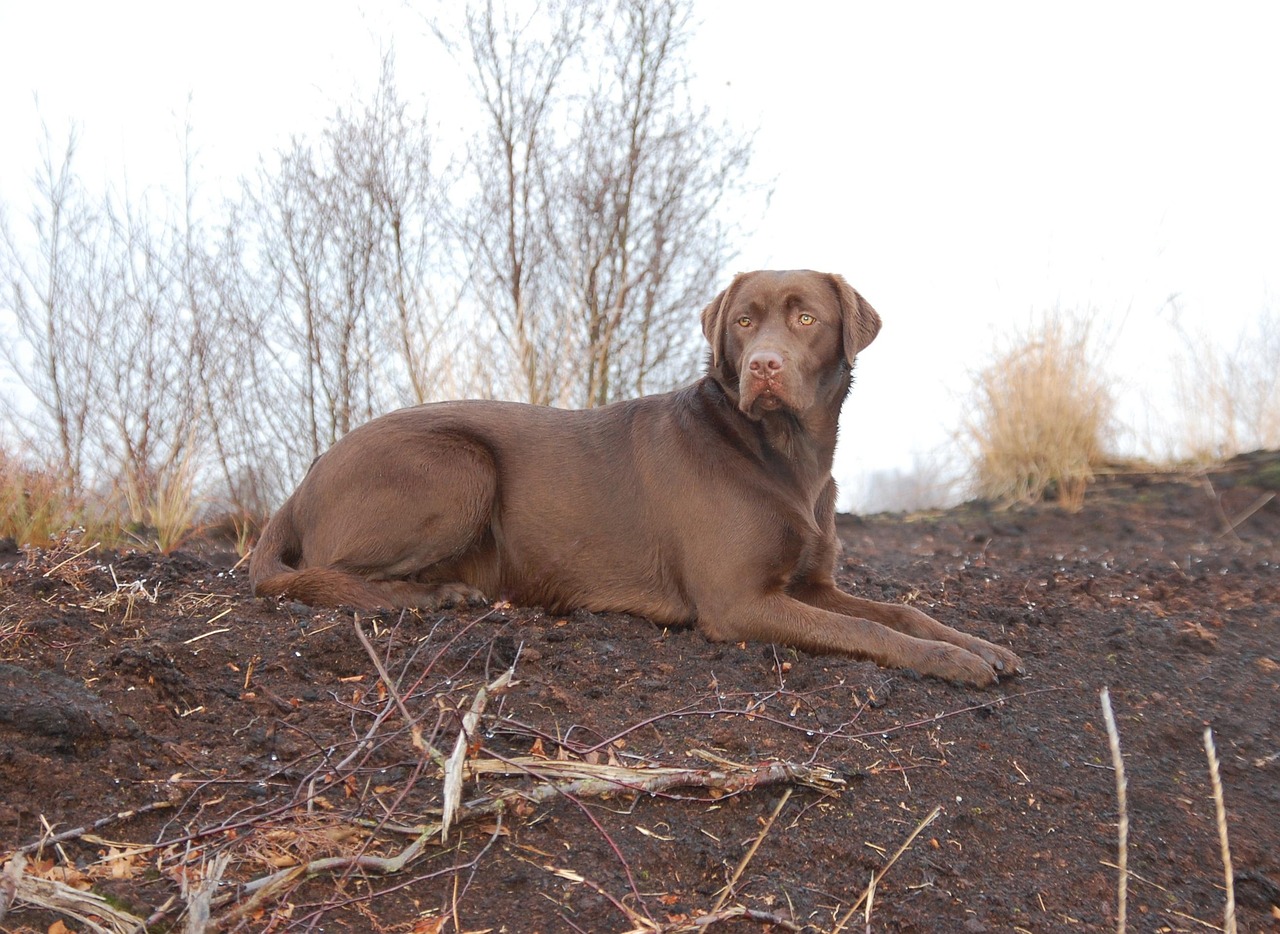
Is your furry friend more wallflower than social butterfly? A shy dog can bring challenges, but with patience, understanding, and the right approach, you can help your timid pup gain confidence and thrive. Training a shy dog requires a gentle and positive strategy that focuses on building trust and creating positive associations. This guide provides a detailed roadmap to help you navigate the journey of helping your shy dog blossom.
Understanding Dog Shyness
Recognizing the Signs of Shyness
It’s crucial to differentiate between normal caution and genuine shyness. Shy dogs often exhibit a range of behaviors that signal their discomfort. Recognizing these signs is the first step in tailoring your training approach.
- Cowering or Hiding: Seeking refuge behind furniture or people.
- Tail Tucked: A classic sign of fear or anxiety.
- Ears Pinned Back: Another indicator of stress and apprehension.
- Lip Licking or Yawning (out of context): These can be displacement behaviors, signaling anxiety.
- Panting (when not hot or exerting themselves): Can be a sign of stress.
- Avoidance: Actively moving away from people, objects, or situations.
- Trembling or Shaking: A physical manifestation of fear.
- Freezing: Becoming completely still in a fearful situation.
Common Causes of Shyness in Dogs
Understanding the root cause of your dog’s shyness can greatly inform your training strategy. While genetics can play a role, environmental factors often contribute significantly.
- Lack of Socialization: Puppies need early exposure to various people, places, and sounds between 3-16 weeks of age. Insufficient socialization during this critical period can lead to shyness.
- Traumatic Experiences: A negative experience, such as being yelled at, hit, or involved in a frightening incident, can trigger fear and shyness.
- Genetics: Some breeds are predisposed to shyness more than others. Even within a breed, individual temperament can vary.
- Change in Environment: Moving to a new home, the addition of a new family member, or any significant change in routine can cause anxiety and shyness, particularly in dogs who are already prone to it.
Creating a Safe and Comfortable Environment
Establishing a “Safe Zone”
Provide your dog with a designated safe space where they can retreat and feel secure. This could be a crate, a bed, or a quiet corner of the house.
- Make it inviting: Fill the safe zone with comfortable bedding, favorite toys, and a water bowl.
- Never use it for punishment: The safe zone should always be associated with positive feelings.
- Allow free access: Your dog should be able to enter and leave the safe zone whenever they feel the need.
Managing Exposure to Stressful Stimuli
Gradual exposure is key. Avoid overwhelming your dog with too much too soon. Start by identifying the things that trigger their shyness and then introduce them in a controlled and manageable way.
- Identify triggers: Keep a journal to track when your dog exhibits signs of shyness. Note the specific people, places, sounds, or objects that seem to trigger it.
- Controlled exposure: If your dog is afraid of strangers, start by having a friend stand at a distance. Gradually decrease the distance as your dog becomes more comfortable, rewarding them with treats and praise.
- Keep it brief: Short, positive interactions are more effective than long, stressful ones.
Positive Reinforcement Training Techniques
Using High-Value Rewards
Positive reinforcement is the cornerstone of training a shy dog. Focus on rewarding desired behaviors with treats, praise, or toys. Choose rewards that your dog finds highly motivating.
- Experiment with different treats: Discover what your dog loves most. This could be small pieces of cheese, cooked chicken, or even their favorite toy.
- Use a happy and encouraging tone of voice: Your enthusiasm will help your dog feel more confident.
- Timing is crucial: Reward the desired behavior immediately to create a clear association.
Clicker Training for Shy Dogs
Clicker training can be a highly effective way to communicate with your dog. The clicker sound becomes associated with positive reinforcement, making it easier for your dog to understand what you want them to do.
- Associate the clicker with positive reinforcement: Pair the clicker sound with a treat. Click, then immediately give your dog a treat. Repeat this several times.
- Use the clicker to mark desired behaviors: When your dog performs a behavior you want to encourage (e.g., approaching a new person), click as they perform the behavior, then give them a treat.
- Keep sessions short and positive: End each session on a successful note.
Desensitization and Counterconditioning
Desensitization involves gradually exposing your dog to the things they fear, while counterconditioning involves changing their emotional response to those things. This combination is powerful in overcoming shyness.
- Desensitization: Introduce the feared stimulus at a very low intensity. For example, if your dog is afraid of loud noises, play a recording of the noise at a very low volume. Gradually increase the volume over time, as your dog becomes more comfortable.
- Counterconditioning: Pair the feared stimulus with something positive, such as a treat or a favorite toy. For example, if your dog is afraid of strangers, have a friend approach slowly and offer them a treat. This will help your dog associate strangers with positive experiences.
Building Confidence and Social Skills
Gradual Exposure to Social Situations
Don’t overwhelm your dog by throwing them into the deep end. Start with small, controlled interactions and gradually increase the complexity as they gain confidence.
- Start with familiar people: Have trusted friends or family members interact with your dog in a calm and positive manner.
- Move to less familiar people: Once your dog is comfortable with familiar people, gradually introduce them to less familiar people.
- Practice in quiet environments: Begin socializing your dog in calm, quiet environments, such as your backyard or a quiet park.
- Avoid forcing interaction: Let your dog approach new people at their own pace. Never force them to interact with someone if they are showing signs of fear or anxiety.
Enrolling in Obedience Classes
Obedience classes can provide a structured environment for socialization and training. Look for classes that use positive reinforcement methods.
- Choose the right class: Look for classes that are small and cater to shy or anxious dogs.
- Introduce your dog to the class gradually: If your dog is overwhelmed by the class environment, start by observing from a distance. Gradually bring them closer as they become more comfortable.
- Focus on building confidence: Use the class to practice basic commands and reward your dog for their successes.
Mental Stimulation and Enrichment
Providing your dog with mental stimulation and enrichment can help boost their confidence and reduce anxiety. A bored dog is more likely to be anxious and reactive.
- Puzzle toys: These toys challenge your dog to solve problems and earn rewards.
- Sniffing games: Hide treats around the house and encourage your dog to find them using their nose.
- Training sessions: Short, fun training sessions can help your dog feel more confident and engaged.
- Interactive play: Play games with your dog that involve chasing, fetching, or tugging.
When to Seek Professional Help
Consulting with a Veterinary Behaviorist
If your dog’s shyness is severe or interfering with their quality of life, consider consulting with a veterinary behaviorist. They can help diagnose any underlying medical or behavioral issues and develop a customized treatment plan.
- Medical evaluation: Rule out any medical conditions that could be contributing to your dog’s shyness.
- Behavioral assessment: A veterinary behaviorist can assess your dog’s behavior and identify the root causes of their shyness.
- Medication: In some cases, medication may be necessary to help manage anxiety and fear.
Working with a Certified Professional Dog Trainer
A certified professional dog trainer can provide guidance and support in implementing positive reinforcement training techniques. Look for a trainer who has experience working with shy or anxious dogs.
- Positive reinforcement methods: Ensure the trainer uses positive reinforcement methods, such as treats, praise, and toys.
- Individualized training plan: The trainer should develop a training plan that is tailored to your dog’s specific needs and challenges.
- Patience and understanding: Choose a trainer who is patient, understanding, and committed to helping your dog succeed.
Conclusion
Training a shy dog requires patience, consistency, and a deep understanding of their individual needs. By creating a safe environment, utilizing positive reinforcement techniques, and gradually exposing them to new experiences, you can help your furry friend overcome their fears and build confidence. Remember to celebrate small victories and never give up on your shy companion. With dedication and love, you can help them blossom into a happier, more confident dog. If challenges persist, don’t hesitate to seek guidance from veterinary professionals or certified dog trainers specializing in behavior modification.