

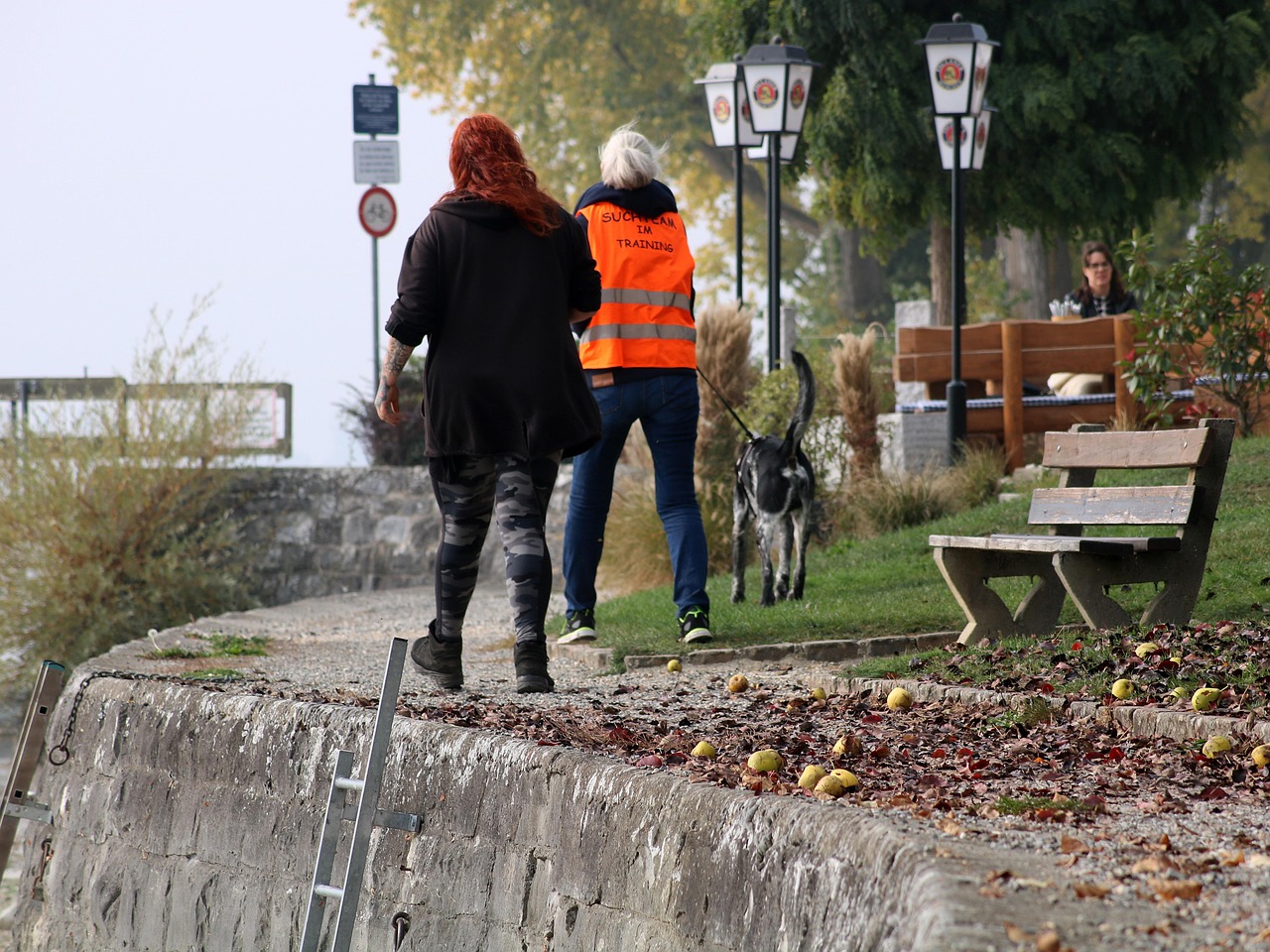
Is your furry friend more inclined to hide under the furniture than bound into new adventures? A shy dog can be a heart-wrenching sight, but with patience, understanding, and the right training techniques, you can help them build confidence and overcome their fears. This comprehensive guide will provide you with the tools and knowledge you need to support your shy dog on their journey to becoming a happier, more well-adjusted companion.
Understanding Dog Shyness and Anxiety
Identifying the Signs of Shyness
Recognizing the signs of shyness is the first step in helping your dog. Shyness in dogs can manifest in various ways, often stemming from fear or anxiety. Common indicators include:
- Cowering or hiding
- Excessive barking or whining
- Trembling or shaking
- Panting or drooling (when not hot or after exercise)
- Tucked tail
- Flattened ears
- Avoiding eye contact
- Pacing or restlessness
- Licking lips excessively
It’s crucial to differentiate between shyness and aggression. A shy dog will typically try to avoid confrontation, while an aggressive dog may display growling, snapping, or biting behaviors. However, fear can sometimes lead to aggression, so careful observation is key.
Common Causes of Shyness in Dogs
Understanding the root cause of your dog’s shyness can help you tailor your training approach. Some common causes include:
- Genetics: Some breeds are naturally more prone to shyness.
- Lack of socialization: Insufficient exposure to people, places, and things during the critical socialization period (roughly 3-16 weeks of age) can lead to fear and anxiety later in life.
- Traumatic experiences: A negative experience, such as being yelled at, abused, or involved in an accident, can have a lasting impact.
- Medical conditions: In rare cases, underlying medical conditions can contribute to behavioral changes, including shyness. Consult with your veterinarian to rule out any medical causes.
- Changes in environment: Moving to a new home, the introduction of a new pet, or even a change in routine can trigger anxiety.
For example, a rescue dog with an unknown history may exhibit shyness due to past trauma. A puppy raised in isolation may be fearful of new people and environments.
Creating a Safe and Supportive Environment
Establishing a Safe Zone
Your dog needs a designated “safe zone” – a place where they can retreat to feel secure and protected. This could be a crate, a dog bed, or a quiet corner in a room. Make sure the safe zone is:
- Easily accessible
- Comfortable (provide soft bedding and toys)
- Free from disturbances
Never force your dog into their safe zone. It should be a place they choose to go to when they feel overwhelmed.
Using Positive Reinforcement Techniques
Positive reinforcement is the most effective method for training a shy dog. Focus on rewarding desired behaviors with treats, praise, or toys. Avoid punishment or harsh corrections, as these can exacerbate fear and anxiety. Examples include:
- Treats: Small, high-value treats can be used to reward your dog for approaching new people or exploring new environments.
- Praise: Use a calm, reassuring tone of voice to praise your dog when they display confident behavior.
- Toys: If your dog is toy-motivated, use their favorite toy to reward them for overcoming their fears.
Example: If your dog is afraid of strangers, start by having a stranger stand at a distance and toss treats towards your dog. Gradually decrease the distance as your dog becomes more comfortable.
Gradual Exposure and Desensitization
Gradual exposure and desensitization involve slowly introducing your dog to the things they fear in a controlled and positive way. The goal is to change your dog’s emotional response to the trigger from fear to neutral or even positive.
- Start small: Begin with minimal exposure to the fear-inducing stimulus. For example, if your dog is afraid of loud noises, start by playing recordings of the noise at a very low volume.
- Pair with positive reinforcement: While your dog is exposed to the stimulus, offer treats, praise, or toys.
- Gradually increase the intensity: As your dog becomes more comfortable, slowly increase the intensity of the stimulus.
- Monitor your dog’s body language: If your dog starts to show signs of anxiety, back off and reduce the intensity.
Example: If your dog is scared of car rides, start by simply sitting in the car with them (engine off) and offering treats. Then, progress to short drives around the block, gradually increasing the length of the rides. Make sure each ride ends with something positive, like a walk in the park.
Socialization Strategies for Shy Dogs
Controlled Interactions with People
Socialization is crucial for building confidence in shy dogs, but it’s important to approach it in a controlled and gentle manner. Avoid overwhelming your dog with too many new people at once. Instead:
- Start with familiar people: Begin by having your dog interact with people they already know and trust.
- Introduce new people gradually: Have new people approach your dog slowly and calmly. Instruct them to avoid direct eye contact and to speak in a soft, reassuring voice.
- Allow your dog to approach on their own terms: Don’t force your dog to interact with new people. Let them approach at their own pace.
- Reward positive interactions: Give your dog treats or praise when they interact calmly with new people.
Example: Ask a friend to sit quietly in your living room while you and your dog are present. Don’t force interaction. If your dog approaches your friend, reward them with a treat. If they don’t, that’s okay too. Try again later.
Exposure to Different Environments
Exposing your dog to a variety of environments can help them become more comfortable and confident in new situations. Start with quiet, familiar places and gradually introduce more stimulating environments. Consider these locations:
- Parks: Choose parks that are not overly crowded.
- Pet-friendly stores: Check if your local pet store allows dogs.
- Quiet streets: Walk your dog on different streets, varying the scenery.
Remember to keep the experiences positive by using positive reinforcement and avoiding overwhelming your dog. Observe your dog’s body language closely, and be prepared to leave if they become too stressed.
Group Classes and Socialization Events
Once your dog has made some progress with socialization, consider enrolling them in a small, well-managed group class or attending a socialization event designed for shy dogs. These classes provide a safe and structured environment for your dog to interact with other dogs and people. Look for classes that:
- Have a small class size
- Use positive reinforcement methods
- Are led by experienced trainers
Participating in group classes can help your dog learn to interact appropriately with other dogs and build confidence in social situations.
Building Confidence Through Training
Basic Obedience Training
Basic obedience training can help build your dog’s confidence by providing them with a clear structure and predictable routines. Focus on teaching basic commands such as:
- Sit
- Stay
- Come
- Down
- Leave it
Use positive reinforcement to reward your dog for performing these commands correctly. Training sessions should be short, fun, and engaging.
Puzzle Toys and Mental Stimulation
Puzzle toys and other forms of mental stimulation can help reduce anxiety and build confidence in shy dogs. These toys challenge your dog to solve problems and reward them with treats or toys. Examples include:
- Kong toys: Fill a Kong toy with peanut butter or other treats to keep your dog entertained and engaged.
- Puzzle feeders: Use puzzle feeders to make mealtime more challenging and stimulating.
- Snuffle mats: Hide treats in a snuffle mat and let your dog use their nose to find them.
Mental stimulation can help tire your dog out and reduce anxiety, which can, in turn, improve their confidence.
Agility Training (Modified)
While full-blown agility might be overwhelming, modified agility exercises can be a fantastic way to build confidence. Start with simple obstacles and gradually increase the difficulty as your dog becomes more comfortable. Examples include:
- Walking over a low plank of wood
- Stepping through a hula hoop
- Walking around cones
Use positive reinforcement to encourage your dog and make the experience fun and rewarding. Focus on small successes and celebrate your dog’s progress.
When to Seek Professional Help
Consulting a Veterinarian
If your dog’s shyness is severe or accompanied by other concerning symptoms, it’s important to consult with your veterinarian. They can rule out any underlying medical conditions that may be contributing to the problem and recommend appropriate treatment options. Sometimes, medication can be helpful in managing anxiety.
Working with a Certified Dog Trainer or Behaviorist
A certified dog trainer or behaviorist can provide personalized guidance and support to help you address your dog’s shyness. They can assess your dog’s behavior, identify the underlying causes, and develop a tailored training plan. Look for a trainer or behaviorist who:
- Is certified and experienced
- Uses positive reinforcement methods
- Has experience working with shy or anxious dogs
Working with a professional can significantly improve your dog’s confidence and overall well-being.
Conclusion
Training a shy dog requires patience, understanding, and a consistent approach. By creating a safe and supportive environment, using positive reinforcement, and gradually exposing your dog to new experiences, you can help them build confidence and overcome their fears. Remember to celebrate small victories and seek professional help when needed. With dedication and love, you can help your shy dog blossom into a happy and well-adjusted companion.