

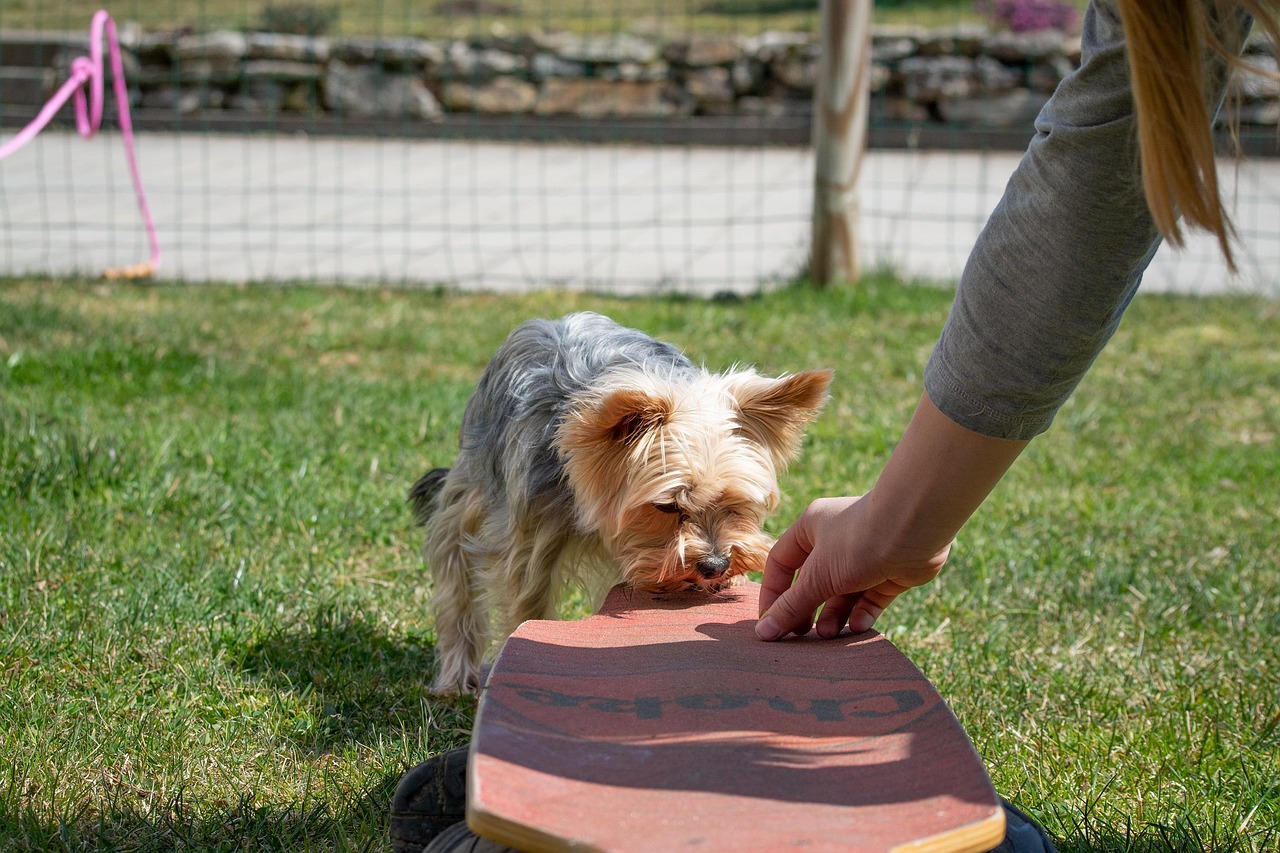
Housebreaking a puppy can be challenging, but what about an older dog? Perhaps you’ve adopted a senior canine companion, or maybe an adult dog has regressed in their training. Rest assured, housebreaking an older dog is absolutely achievable with patience, consistency, and the right approach. It might take a little longer than training a puppy, but the rewards of a well-trained, happy dog are well worth the effort. This comprehensive guide will walk you through everything you need to know to successfully housebreak your older dog.
Understanding the Challenges
Medical Considerations First
Before you even think about training, the very first step is a veterinary check-up. Incontinence or accidents in the house can be a sign of underlying medical issues. Conditions such as:
- Urinary tract infections (UTIs)
- Kidney disease
- Diabetes
- Cognitive dysfunction (doggy dementia)
- Arthritis (making it difficult to get outside)
- Prostate problems (in male dogs)
…can all lead to accidents. Ruling out medical causes is crucial. Your vet can perform necessary tests and prescribe appropriate treatment, which might completely resolve the housebreaking issue.
Behavioral Issues and Past Experiences
Sometimes, house soiling stems from behavioral issues or past negative experiences. Consider these factors:
- Anxiety: Fear, separation anxiety, or noise phobias can trigger accidents. For example, a dog with separation anxiety might urinate or defecate when left alone.
- Changes in Routine: Moving to a new home, a change in work schedule, or the addition of a new family member (human or animal) can disrupt a dog’s routine and lead to accidents.
- Incomplete Previous Training: The dog might not have been fully housebroken in their previous home, or the training methods used were ineffective.
- Negative Associations: A negative experience, such as being scolded or punished for having an accident indoors, can create anxiety around eliminating and make the dog hesitant to go in front of you.
Understanding the root cause will help you tailor your training approach.
Establishing a Routine
Consistent Feeding Schedule
A regular feeding schedule helps regulate your dog’s elimination habits.
- Feed your dog at the same times each day.
- Choose a high-quality dog food.
- Monitor your dog’s water intake, especially before bedtime. Limiting water access an hour or two before bed can reduce nighttime accidents, but ensure your dog always has access to fresh water during the day.
Regular Potty Breaks
Establish a consistent potty break schedule and stick to it, even on weekends.
- Take your dog out first thing in the morning, after each meal, after naps, after playtime, and before bedtime.
- If you’re at work or away from home, consider hiring a dog walker or using doggy daycare to ensure your dog gets regular potty breaks.
- Use a specific phrase like “Go potty” or “Do your business” when you take your dog out. This will help them associate the phrase with the action.
- Praise and reward your dog immediately after they eliminate outside.
Crate Training (If Appropriate)
Crate training can be a valuable tool, especially for older dogs who are new to your home.
- A crate provides a safe and secure den for your dog.
- Dogs naturally avoid soiling their den, so a crate can help prevent accidents.
- Make the crate a positive experience by associating it with treats, toys, and comfortable bedding.
- Never use the crate as punishment.
- Ensure the crate is appropriately sized; it should be large enough for the dog to stand up, turn around, and lie down comfortably, but not so large that they can eliminate in one corner and sleep in another.
- Gradually introduce your dog to the crate, starting with short periods and gradually increasing the time spent inside.
Positive Reinforcement Techniques
Rewarding Good Behavior
Positive reinforcement is key to successful housebreaking.
- Immediate Rewards: When your dog eliminates outside, immediately praise them enthusiastically and offer a high-value treat. Timing is crucial; the reward should be given within seconds of the desired behavior.
- Verbal Praise: Use a consistent praise phrase like “Good potty!” or “Yes, good dog!”
- Avoid Punishment: Never scold or punish your dog for accidents. This can create fear and anxiety, making the problem worse. Instead, focus on rewarding positive behavior.
Cleaning Up Accidents Properly
Thoroughly cleaning up accidents is essential to eliminate lingering odors that might attract your dog back to the same spot.
- Use an enzymatic cleaner specifically designed for pet messes. These cleaners break down the organic compounds in urine and feces, eliminating the odor.
- Avoid using ammonia-based cleaners, as they can smell similar to urine and encourage your dog to repeat the behavior.
- Blot up as much of the mess as possible with paper towels before applying the cleaner.
- Follow the cleaner’s instructions carefully.
Supervision and Management
Supervision is crucial during the housebreaking process.
- Keep a close eye on your dog when they’re indoors, especially during times when they’re likely to need to eliminate (after waking up, after eating, after playing).
- If you can’t supervise your dog directly, keep them in a confined area, such as a crate or a small room with a puppy pad.
- Learn to recognize your dog’s signals that they need to go outside, such as circling, sniffing, squatting, or pacing.
Addressing Specific Challenges
Submissive Urination
Some dogs, especially those with timid personalities, may exhibit submissive urination. This is often triggered by excitement, fear, or greeting someone.
- Avoid direct eye contact and loud noises when greeting your dog.
- Approach your dog calmly and gently.
- Consider teaching your dog a “sit” or “down” command as a greeting behavior.
- Consult with a veterinary behaviorist if the problem is severe.
Marking Behavior
Male dogs, and sometimes female dogs, may mark their territory by urinating small amounts on vertical surfaces.
- Neutering or spaying can often reduce or eliminate marking behavior.
- Thoroughly clean marked areas with an enzymatic cleaner.
- Restrict access to areas where your dog typically marks.
- Increase exercise and playtime to reduce stress and anxiety.
- Consider using belly bands for male dogs to prevent marking inside.
Age-Related Incontinence
As dogs age, they may develop age-related incontinence due to weakened bladder muscles or cognitive decline.
- Consult with your veterinarian about medications or supplements that can help strengthen bladder control.
- Provide more frequent potty breaks, especially at night.
- Use doggy diapers or waterproof bedding to manage accidents.
- Be patient and understanding; your dog is not doing this on purpose.
Conclusion
Housebreaking an older dog requires patience, consistency, and understanding. By ruling out medical causes, establishing a routine, using positive reinforcement, and addressing specific challenges, you can successfully train your older dog and create a happy, harmonious home for both of you. Remember to celebrate small victories and focus on building a strong bond with your canine companion. Even if setbacks occur, don’t get discouraged! With dedication and a positive attitude, you can achieve your housebreaking goals.