

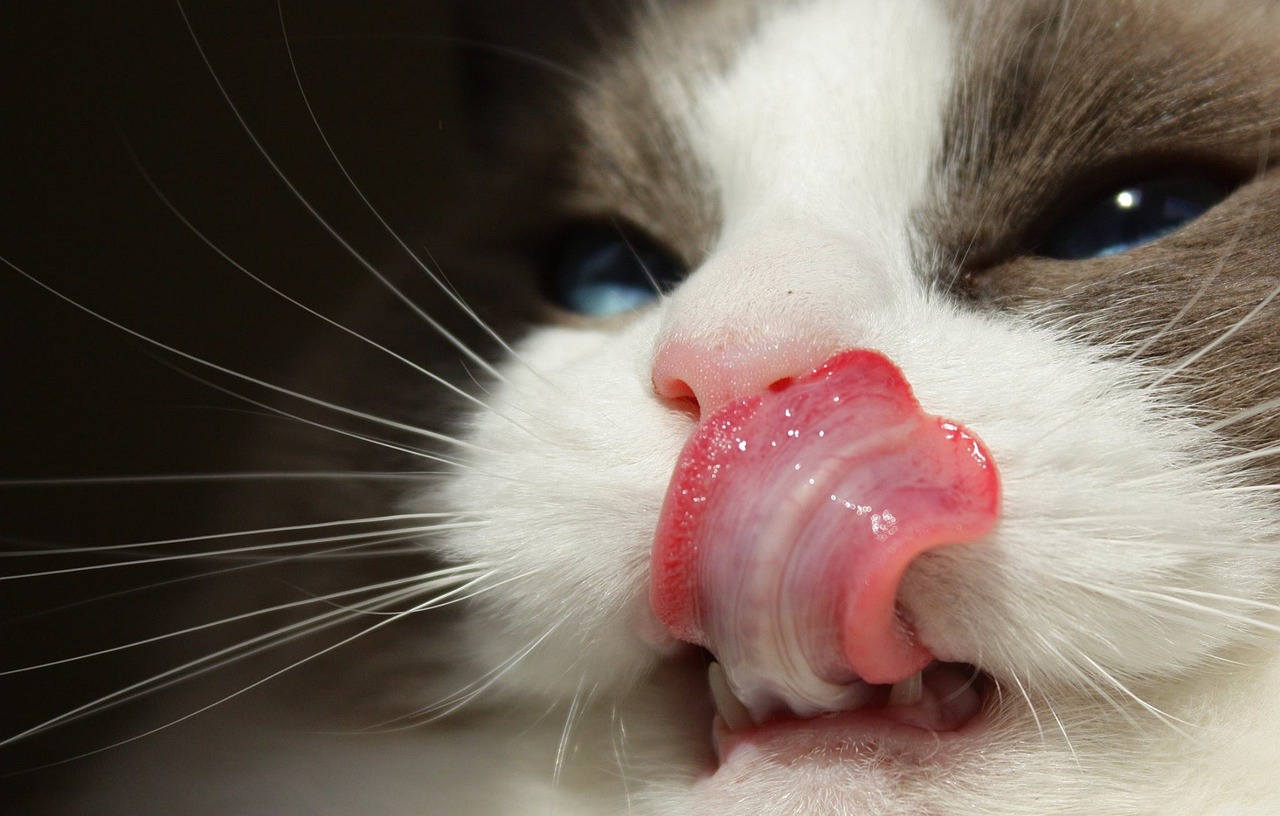
Is your feline friend a constant source of head-scratching moments? From mysterious midnight zoomies to perplexing purrs, understanding cat behavior can feel like cracking a secret code. But fear not! This guide will decode common cat behaviors, providing practical advice and insights to strengthen your bond and create a harmonious home for you and your purrfect companion. Prepare to unlock the secrets of the feline mind!
Understanding Basic Cat Needs and Instincts
The Importance of Meeting Feline Needs
Cats, despite their domesticated status, retain strong instincts. Addressing these needs is crucial for their well-being and prevents behavioral issues. Think of it as fulfilling their evolutionary “job description.”
- Hunting Instinct: Cats are natural hunters. Provide interactive toys like wands with feathers or laser pointers to satisfy this instinct. Consider puzzle feeders to stimulate their mind and slow down eating.
- Scratching: Scratching is essential for cats to maintain their claws, stretch their muscles, and mark their territory. Provide multiple scratching posts in different materials (sisal, cardboard, carpet) and locations. Experiment to find what your cat prefers.
- Climbing and Perching: Cats enjoy vertical space. Cat trees, shelves, and window perches allow them to observe their surroundings from a safe vantage point, reducing stress and providing enrichment.
- Solitude and Security: Cats need safe spaces to retreat and relax. Provide cozy beds, enclosed cat houses, or even just a quiet corner with a blanket where they can feel secure.
Recognizing Signs of Stress and Anxiety
Early detection of stress or anxiety can prevent behavioral problems from escalating. Look for these warning signs:
- Changes in Litter Box Habits: Urinating or defecating outside the litter box can indicate stress, medical issues, or dissatisfaction with the litter box setup.
- Excessive Grooming: Overgrooming can lead to bald patches and skin irritation. It’s often a sign of anxiety or obsessive-compulsive behavior.
- Increased Hiding or Withdrawal: If your cat suddenly becomes less social and spends more time hiding, it could indicate fear, anxiety, or illness.
- Aggression: Sudden aggression, whether directed towards you, other pets, or objects, should be addressed immediately by a veterinarian or certified cat behaviorist.
- Changes in Appetite or Sleep Patterns: Significant changes in eating or sleeping habits can be signs of underlying health issues or stress.
Decoding Common Cat Behaviors
Purring: More Than Just Happiness
While purring is often associated with contentment, it can also indicate other emotions:
- Happiness and Contentment: This is the most common reason cats purr, especially when being petted or resting comfortably.
- Self-Soothing: Cats may purr when they are injured, stressed, or anxious to release endorphins and promote healing.
- Communication: Kittens purr to communicate with their mothers, and adult cats may purr to communicate with humans or other cats.
Meowing: Your Cat’s Voice
Meowing is primarily a communication tool cats use with humans, not other cats. Understanding the context of the meow can help you decipher its meaning:
- Attention-Seeking: A single, persistent meow often means “pay attention to me!”
- Greeting: A short, soft meow can be a friendly greeting.
- Hunger: A demanding, insistent meow usually indicates that your cat is hungry.
- Pain or Discomfort: A loud, distressed meow can signal pain, illness, or discomfort.
Kneading: Making Biscuits
This endearing behavior, often accompanied by purring, has roots in kittenhood:
- Comfort and Security: Kittens knead their mother’s belly to stimulate milk production. Adult cats often knead soft surfaces to recreate this feeling of comfort and security.
- Territorial Marking: Cats have scent glands in their paws. Kneading releases these scents, marking the area as their own.
- Contentment: Kneading is often a sign that your cat is feeling relaxed and happy.
Addressing Problem Behaviors
Litter Box Issues: Troubleshooting Tips
Litter box problems are a common complaint. Here’s how to troubleshoot:
- Medical Issues: Rule out medical causes like urinary tract infections or kidney disease by consulting with your veterinarian.
- Litter Box Placement: Ensure the litter box is in a quiet, accessible location, away from food and water.
- Litter Box Type: Experiment with different types of litter boxes (covered, uncovered, large, small) to find what your cat prefers.
- Litter Type: Try different types of litter (clay, clumping, crystal, natural) to see which your cat prefers.
- Cleaning Frequency: Clean the litter box at least once a day, and completely change the litter weekly.
Scratching Furniture: Redirecting the Behavior
Instead of punishing your cat for scratching, redirect the behavior to appropriate scratching posts:
- Attractive Scratching Posts: Choose posts made of materials your cat enjoys (sisal, cardboard, carpet). Ensure the post is tall and sturdy enough for your cat to stretch fully.
- Strategic Placement: Place scratching posts near areas where your cat already scratches, such as furniture or doorways.
- Positive Reinforcement: Reward your cat with treats or praise when they use the scratching post.
- Deterrents: Use deterrents on furniture, such as double-sided tape or citrus-scented sprays, to make it less appealing.
Aggression: Identifying the Cause and Seeking Help
Aggression can stem from various sources, including fear, pain, territoriality, or playfulness gone wrong.
- Identify the Trigger: Determine what triggers the aggressive behavior. Is it another cat, a specific person, or a particular situation?
- Medical Evaluation: Rule out medical causes of aggression by consulting with your veterinarian.
- Professional Help: If you’re unable to identify the cause or manage the aggression on your own, consult with a certified cat behaviorist. They can provide a customized plan to address the underlying issues.
- Never Punish: Punishing your cat for aggression will only make the problem worse by increasing their fear and anxiety.
Enrichment and Play: Keeping Your Cat Happy and Healthy
The Benefits of Enrichment
Enrichment refers to providing activities and objects that stimulate your cat’s mind and body, preventing boredom and reducing stress.
- Reduces Boredom: Enrichment provides mental and physical stimulation, preventing boredom and destructive behaviors.
- Reduces Stress and Anxiety: Providing opportunities for your cat to engage in natural behaviors, such as hunting and scratching, reduces stress and anxiety.
- Improves Physical Health: Enrichment encourages exercise, which helps maintain a healthy weight and reduces the risk of obesity-related health problems.
- Strengthens Bond: Playtime and interaction strengthen the bond between you and your cat.
Types of Enrichment Activities
- Interactive Play: Use toys like wands with feathers, laser pointers, or balls to engage your cat in interactive play sessions.
- Puzzle Feeders: Puzzle feeders challenge your cat to solve a puzzle to access their food, stimulating their mind and slowing down eating.
- Environmental Enrichment: Provide cat trees, shelves, window perches, and scratching posts to create a stimulating and enriching environment.
- Scent Enrichment: Introduce new scents, such as catnip, silvervine, or honeysuckle, to stimulate your cat’s sense of smell.
- Clicker Training: Clicker training can be used to teach your cat tricks and commands, providing mental stimulation and strengthening the bond between you.
Conclusion
Understanding cat behavior is an ongoing journey, but by observing your feline companion, meeting their needs, and providing a stimulating environment, you can create a happy, healthy, and harmonious relationship. Remember to be patient, consistent, and always consult with a veterinarian or certified cat behaviorist if you encounter any persistent or concerning behavioral issues. With a little effort and understanding, you can unlock the secrets of your cat’s mind and enjoy a purrfectly rewarding bond.