

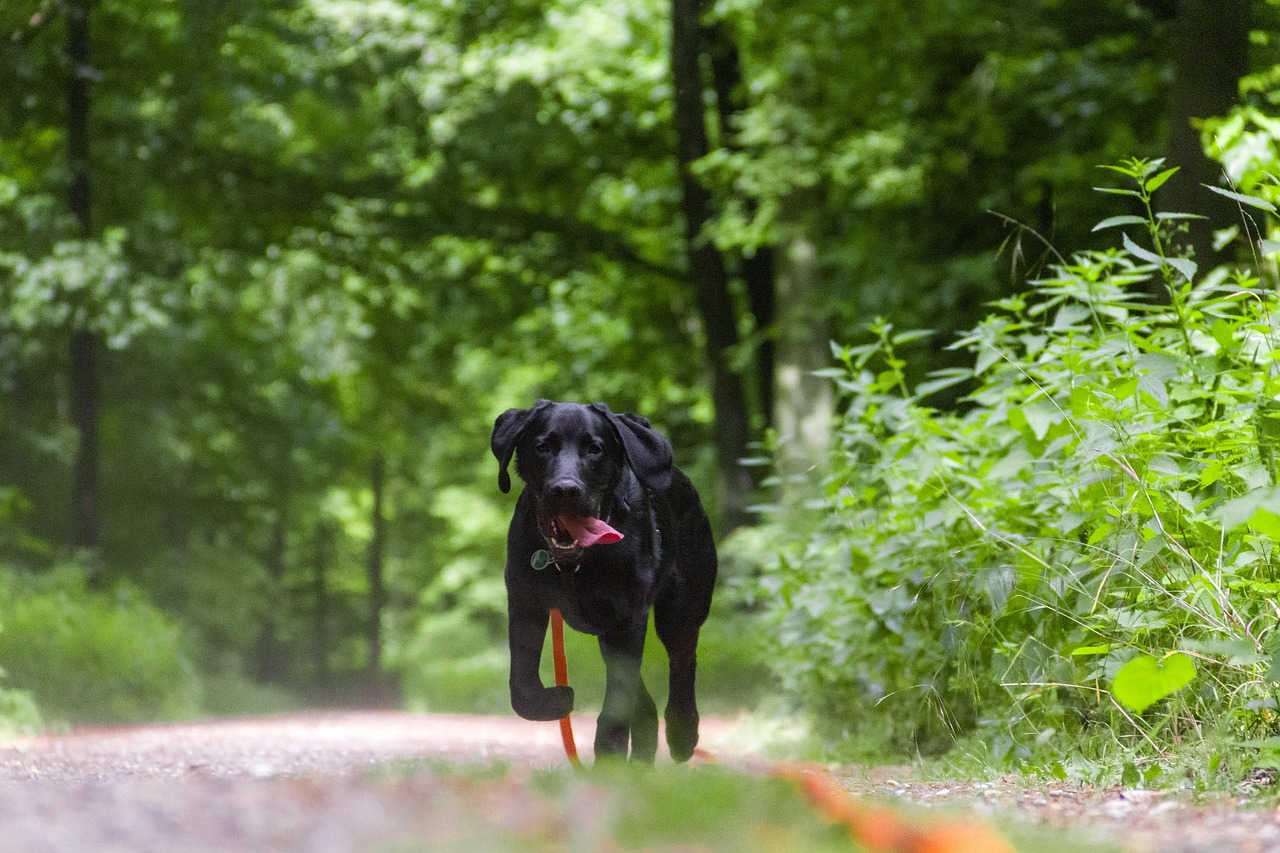
Separation anxiety in dogs can be a heartbreaking experience for both the dog and their owner. Witnessing your beloved companion become distressed when you leave the house is incredibly difficult. Fortunately, with patience, understanding, and the right training techniques, you can help your dog overcome separation anxiety and enjoy a happier, more relaxed life, even when you’re not around. This guide provides a comprehensive approach to dog separation anxiety training, covering causes, symptoms, and effective strategies.
Understanding Dog Separation Anxiety
What is Separation Anxiety?
Separation anxiety is a behavioral issue characterized by extreme distress displayed by a dog when left alone or separated from their owner(s). It’s more than just whining at the door; it manifests as a range of behaviors indicating a significant level of anxiety and fear.
Causes of Separation Anxiety
Several factors can contribute to separation anxiety in dogs:
- Change in Routine: Sudden changes in schedule, such as a new job or altered work hours, can trigger anxiety.
- Moving to a New Home: A new environment can be unsettling and lead to feelings of insecurity.
- Loss of a Family Member (Human or Animal): Grief and loneliness can contribute to separation anxiety.
- Traumatic Experiences: A frightening event that occurred while the dog was alone can create a lasting association with separation.
- Underlying Medical Conditions: In rare cases, medical issues may exacerbate or contribute to anxiety-related behaviors. It is always worth consulting a vet.
Recognizing the Symptoms
Identifying the signs of separation anxiety is crucial for effective intervention. Common symptoms include:
- Destructive Behavior: Chewing furniture, scratching doors, and destroying personal items.
- Excessive Vocalization: Barking, howling, or whining for extended periods. Neighbors are often the first to report this.
- Inappropriate Elimination: Urinating or defecating inside, even if the dog is housetrained.
- Pacing or Restlessness: An inability to settle down and constant movement.
- Escape Attempts: Trying to break out of crates or enclosed spaces.
- Self-Harm: Excessive licking, biting, or scratching that leads to injury.
It’s important to differentiate these behaviors from normal puppy mischief or lack of housetraining. Separation anxiety symptoms are typically severe and only occur when the dog is alone.
Building a Foundation for Success
Veterinary Consultation
Before starting any training program, consult with your veterinarian. They can rule out any underlying medical conditions that might be contributing to the anxiety and can advise on whether medication, alongside training, is the right approach for your dog. They may also recommend a qualified veterinary behaviorist.
Create a Safe and Comfortable Environment
Your dog needs a safe and comfortable space where they feel secure. This could be a crate, a bed, or a designated area of the house. Make sure this space is positive and associated with good things, not punishment. Avoid using the crate as a punishment. Instead, associate it with treats, toys, and positive reinforcement.
Establish a Consistent Routine
Dogs thrive on routine. A predictable schedule can help reduce anxiety. This includes consistent feeding times, walk times, and playtime. A regular routine provides a sense of security and control.
Gradual Desensitization and Counterconditioning
Desensitization Explained
Desensitization involves gradually exposing your dog to the triggers that cause anxiety, starting with very short durations and increasing them over time. The goal is to help your dog become accustomed to these triggers without experiencing anxiety.
Counterconditioning Explained
Counterconditioning aims to change your dog’s emotional response to the triggers by associating them with positive experiences. This involves pairing the triggers with treats, toys, or praise to create a positive association.
Practical Steps for Desensitization and Counterconditioning
Here’s how to implement these techniques:
- Pre-Departure Cues: Identify the actions you typically perform before leaving the house (e.g., picking up keys, putting on your coat, grabbing your bag).
- Short Exposures: Start by performing these cues for a very short time (e.g., picking up your keys and immediately putting them down).
- Positive Reinforcement: While performing these cues, give your dog treats or praise.
- Gradual Increase: Slowly increase the duration of the cues. For example, pick up your keys, walk to the door, and then put the keys down. Continue to reward calm behavior.
- Practice Actual Departures: Once your dog is comfortable with the pre-departure cues, start practicing short departures. Leave the house for just a few seconds, then return. Gradually increase the time you are gone.
- Example: If your dog gets anxious when you put on your coat, start by simply holding the coat. Give your dog a treat. Then, put the coat on for a few seconds and give another treat. Gradually increase the time you wear the coat.
Important Note: Never progress to the next step if your dog shows signs of anxiety. If they become anxious, reduce the duration or intensity of the trigger and start again from a lower level.
Enrichment and Mental Stimulation
The Importance of Enrichment
Enrichment activities provide mental and physical stimulation, helping to reduce boredom and anxiety. A well-stimulated dog is less likely to exhibit destructive behaviors associated with separation anxiety.
Types of Enrichment Activities
- Puzzle Toys: Toys that dispense treats when manipulated can keep your dog engaged and entertained. Examples include Kong toys filled with frozen peanut butter or treat-dispensing balls.
- Chew Toys: Provide long-lasting chew toys to satisfy your dog’s natural chewing instincts.
- Interactive Games: Play games like fetch, tug-of-war, or hide-and-seek.
- Training Sessions: Short, positive reinforcement-based training sessions can provide mental stimulation and strengthen the bond between you and your dog.
- Food Puzzles: Instead of feeding your dog from a bowl, use a food puzzle to make mealtime more challenging and engaging.
Practical Examples
- Before Leaving: Give your dog a stuffed Kong or a puzzle toy to keep them occupied while you’re gone.
- Rotate Toys: Keep your dog interested by rotating their toys regularly. Introduce a new toy each time you leave.
Medication and Professional Help
When to Consider Medication
In some cases, separation anxiety is severe enough that medication may be necessary, especially when combined with behavioral training. If your dog is causing significant damage to your home or engaging in self-harm, medication can help reduce their anxiety levels and make them more receptive to training.
Working with a Professional
A veterinary behaviorist or certified professional dog trainer specializing in separation anxiety can provide valuable guidance and support. They can assess your dog’s specific needs and develop a customized training plan. They can also help you identify and address any underlying issues that may be contributing to the anxiety.
Types of Medication
Your veterinarian may prescribe anti-anxiety medications such as:
- Selective Serotonin Reuptake Inhibitors (SSRIs): Fluoxetine (Prozac) and Sertraline (Zoloft) are commonly used to treat anxiety in dogs.
- Tricyclic Antidepressants (TCAs): Clomipramine (Clomicalm) is another option for treating separation anxiety.
- Anxiolytics: Medications like Alprazolam (Xanax) or Trazodone can be used on an as-needed basis to help manage acute anxiety.
Important Note: Medication should always be used under the guidance of a veterinarian and in conjunction with behavioral training.
Conclusion
Overcoming dog separation anxiety requires patience, consistency, and a multi-faceted approach. By understanding the causes and symptoms, building a strong foundation, implementing gradual desensitization and counterconditioning, providing enrichment, and seeking professional help when needed, you can help your dog overcome their anxiety and lead a happier, more balanced life. Remember that every dog is different, and what works for one dog may not work for another. Be patient, persistent, and celebrate small victories along the way. With dedication and a compassionate approach, you can help your furry friend overcome separation anxiety and enjoy a closer, more relaxed bond.