

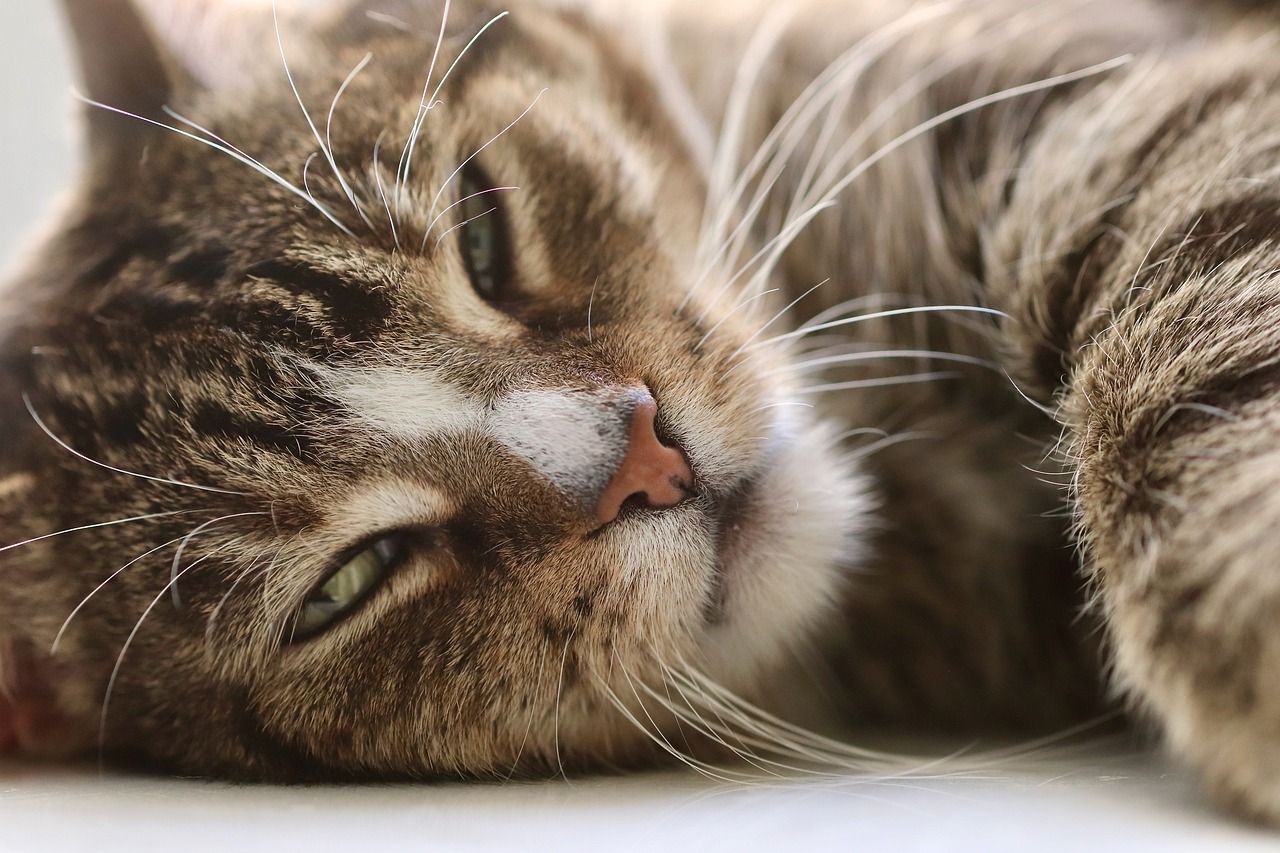
Creating a beautiful garden doesn’t mean sacrificing the safety and well-being of your beloved pets. With careful planning and a few simple adjustments, you can cultivate a thriving outdoor space that both you and your furry friends can enjoy. This guide will provide you with expert tips on creating a pet-friendly garden that’s as safe as it is stunning.
Choosing Pet-Safe Plants
The foundation of a pet-friendly garden lies in selecting the right plants. Many common garden plants are toxic to pets, so thorough research is essential before you even think about planting.
Identifying Toxic Plants
Before heading to your local garden center, familiarize yourself with plants known to be harmful to dogs and cats. Some of the most common culprits include:
- Azaleas
- Daffodils
- Lilies (especially toxic to cats)
- Tulips
- Sago Palms
- Oleander
The ASPCA (American Society for the Prevention of Cruelty to Animals) maintains a comprehensive list of toxic and non-toxic plants on their website. This is an invaluable resource for responsible pet owners.
Selecting Non-Toxic Alternatives
Fortunately, there are plenty of beautiful and safe plants you can incorporate into your garden. Consider these pet-friendly options:
- Sunflowers
- Zinnias
- Marigolds (some varieties, double-check before planting)
- Petunias
- Snapdragons
- Herbs like basil, rosemary, and thyme (often enjoyed by pets!)
Pro Tip: When purchasing plants, always double-check the plant’s scientific name and cross-reference it with a reliable toxicity list to ensure it’s safe for your pets. Don’t solely rely on the common name, as this can sometimes be misleading.
Creating Designated Zones
Establishing specific zones within your garden is an effective way to protect both your plants and your pets. This allows you to have beautiful, yet potentially delicate, plants while ensuring your pets have safe areas to roam and play.
Plant Protection Zones
Create raised garden beds or use fencing to physically separate vulnerable plants from curious pets. This not only protects the plants from being dug up or eaten but also helps prevent pets from accessing harmful substances like fertilizers or pesticides.
Example: Building a raised bed lined with chicken wire can deter digging. Similarly, using decorative fencing can create a barrier around flower beds while adding visual appeal to your garden.
Pet-Friendly Play Areas
Designate specific areas in your garden for your pets to enjoy. These areas should be free of toxic plants and potential hazards. Consider incorporating features that cater to their natural instincts, such as:
- A digging pit filled with sand or soil
- A water feature (ensure it’s easily accessible and safe)
- Shady spots provided by trees or shrubs
- Durable toys and chew items
Statistic: According to a recent survey by the American Pet Products Association, 68% of US households own a pet. Providing designated play areas can significantly improve the quality of life for these pets and reduce the likelihood of them damaging other areas of the garden.
Safe Gardening Practices
Even with careful plant selection, certain gardening practices can pose risks to your pets. Implementing safe gardening habits is crucial for maintaining a healthy and pet-friendly environment.
Choosing Pet-Safe Products
Many common garden products, such as fertilizers, pesticides, and herbicides, can be highly toxic to pets. Opt for organic and pet-safe alternatives whenever possible. Look for products labeled as “pet-friendly” or “safe for use around animals.”
- Use organic fertilizers like compost or aged manure
- Employ natural pest control methods like introducing beneficial insects or using neem oil
- Consider using physical barriers to prevent weed growth instead of herbicides
Proper Storage and Disposal
Always store gardening products in a secure location that is inaccessible to pets. This includes fertilizers, pesticides, and even tools like shovels and rakes.
Dispose of empty containers and leftover products properly according to the manufacturer’s instructions. Never leave these items lying around where pets could potentially come into contact with them.
Actionable Takeaway: After applying any garden product, even if it’s labeled as pet-safe, keep your pets away from the treated area for the recommended amount of time. This minimizes the risk of accidental ingestion or skin contact.
Water Safety and Hydration
Access to fresh, clean water is essential for both your plants and your pets. Ensure your garden includes safe and readily available water sources for your furry companions.
Providing Fresh Water
Place multiple water bowls around your garden, especially during hot weather. Regularly clean and refill these bowls to prevent algae growth and ensure the water remains fresh. Consider using a self-filling water bowl or a pet-friendly water fountain to provide a constant supply of clean water.
Water Feature Safety
If you have a pond or other water feature in your garden, ensure it’s safe for pets. The water should be shallow enough for them to easily enter and exit, and the edges should be non-slippery to prevent accidental falls. Install a ramp or steps to make it easier for pets to access the water.
Avoid using chemicals to treat your pond water, as these can be harmful to pets. Opt for natural filtration methods instead.
Managing Common Garden Hazards
Beyond toxic plants and chemicals, other potential hazards in the garden can pose risks to pets. Identifying and addressing these hazards is an important part of creating a truly pet-friendly space.
Mulch and Soil Concerns
Some types of mulch, such as cocoa bean mulch, can be toxic to dogs if ingested. Choose pet-safe alternatives like shredded hardwood mulch or pine straw. Be aware that some pets may also ingest soil, especially if it contains fertilizers or pesticides. Consider using raised beds or containers to minimize soil access.
Tool Safety
Always store garden tools securely when not in use. Sharp tools like pruners, shovels, and rakes can cause serious injuries if left lying around. Similarly, power tools should be used with caution and stored safely away from pets.
Pest Control Precautions
Be cautious when using pest control methods. Avoid using poison baits or traps, as these can be accidentally ingested by pets. Opt for humane and pet-safe alternatives like live traps or deterrents. Regularly inspect your garden for signs of pests and address any infestations promptly.
Conclusion
Creating a pet-friendly garden requires careful planning and attention to detail, but the rewards are well worth the effort. By choosing safe plants, creating designated zones, practicing safe gardening habits, and addressing potential hazards, you can cultivate a beautiful and enjoyable outdoor space that both you and your furry friends can cherish for years to come. Remember to always prioritize your pet’s safety and well-being when making gardening decisions, and enjoy the shared joy of a thriving, pet-friendly garden.