

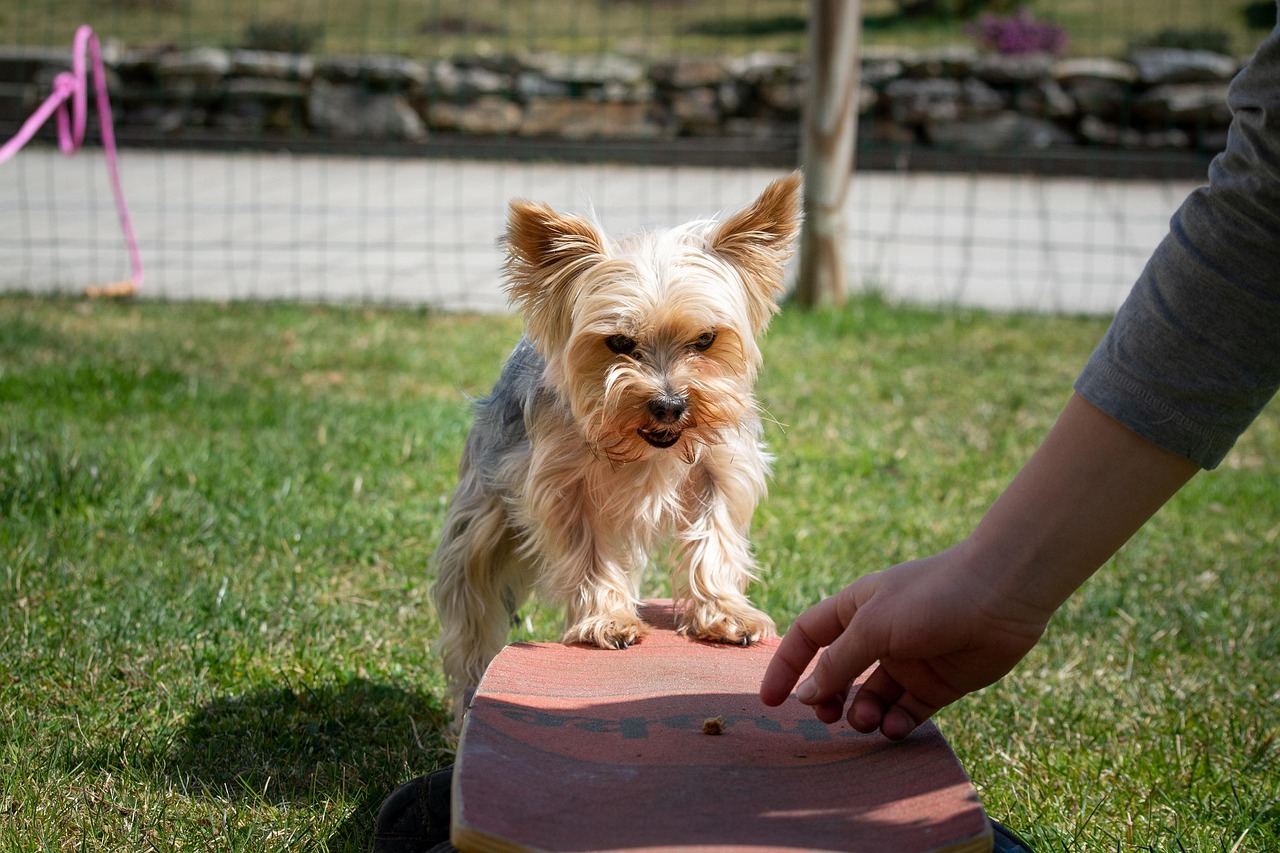
Training a deaf dog presents a unique, yet incredibly rewarding, experience. While they can’t hear verbal cues, deaf dogs are highly receptive to visual cues and tactile signals. With patience, consistency, and the right training methods, you can build a strong bond and a well-behaved companion. This comprehensive guide provides the essential information and techniques needed to successfully train your deaf dog.
Understanding Deafness in Dogs
Types of Deafness
Deafness in dogs can be either congenital (present from birth) or acquired (developing later in life). Congenital deafness is often linked to certain breeds, particularly those with predominantly white coats, such as Dalmatians, Australian Cattle Dogs, and Australian Shepherds. Acquired deafness can be caused by:
- Age-related changes: As dogs age, their hearing can naturally decline.
- Infections: Ear infections, especially chronic ones, can damage hearing.
- Trauma: Head injuries can sometimes result in hearing loss.
- Medications: Some medications are ototoxic, meaning they can damage the inner ear.
Recognizing Signs of Deafness
Identifying deafness early is crucial for starting training. Some common signs include:
- Not responding to verbal cues or commands.
- Sleeping through loud noises.
- Being easily startled, especially when approached from behind.
- Excessive barking.
- Difficulty waking up.
If you suspect your dog is deaf, consult with your veterinarian for a definitive diagnosis and to rule out any underlying medical conditions. A Brainstem Auditory Evoked Response (BAER) test is the most reliable method for diagnosing deafness in dogs.
Getting Started: Building a Foundation
The Importance of Positive Reinforcement
Positive reinforcement is the cornerstone of training any dog, but it’s especially crucial for deaf dogs. Focus on rewarding desired behaviors with treats, toys, or praise in the form of petting or physical affection. Avoid punishment-based methods, as they can create fear and anxiety, hindering the learning process.
Establishing Visual Cues
Visual cues become your dog’s new language. Start with simple commands like “sit,” “stay,” “come,” and “down.” Use clear, distinct hand signals for each command. For example:
- Sit: Raise your hand, palm up, and then slowly lower it towards the dog’s head.
- Stay: Hold your hand up, palm facing the dog, like a stop sign.
- Come: Extend your arm out to the side and pat your thigh.
- Down: Point your index finger towards the ground.
Consistency is key. Use the same hand signals every time and ensure everyone in the household is using the same signals as well. Pair the hand signal with a visual marker, such as a thumbs up, a big smile, or a specific facial expression to reinforce good behavior.
Using Tactile Signals
Tactile signals are another effective way to communicate with your deaf dog. Gentle touches can be used to redirect attention, reward good behavior, or provide comfort. For example:
- A gentle tap on the shoulder to get their attention.
- A light massage on the back to reward calmness.
- A gentle tug on the leash (used carefully and sparingly) to guide direction.
Training Techniques for Deaf Dogs
Teaching Basic Commands
Break down each command into small, manageable steps. Use a high-value reward (a favorite treat or toy) to motivate your dog.
- Lure: Use a treat to lure your dog into the desired position (e.g., holding a treat above their head to encourage them to sit).
- Signal: Simultaneously give the hand signal as they perform the action.
- Reward: Immediately reward them with the treat and positive reinforcement (e.g., a thumbs up, a scratch behind the ears).
- Repeat: Practice the command several times a day in short sessions (5-10 minutes).
Gradually fade the lure as your dog becomes more familiar with the hand signal. Eventually, they should perform the command based on the signal alone.
Leash Training
Leash training is essential for a deaf dog’s safety. Use a brightly colored leash and harness or collar for increased visibility. Teach your dog to follow your hand signals for direction changes. Use gentle leash pressure to guide them. Reward them for following your lead.
Recall Training (Come)
Recall is a crucial command for any dog, but it’s especially vital for deaf dogs. Train recall in a safe, enclosed area initially. Use a high-value reward and enthusiastic positive reinforcement when your dog comes to you. Consider using a vibrating collar as a backup recall method, but introduce it gradually and positively.
Addressing Problem Behaviors
Addressing problem behaviors in deaf dogs requires patience and understanding. Redirect unwanted behaviors with a visual cue or a tactile signal. For example, if your dog is barking excessively, use the “quiet” hand signal (typically a closed fist held near your mouth) and reward them when they stop barking. Avoid yelling or punishing them, as this will only create fear and anxiety.
Maintaining a Safe and Enriched Environment
Visual Cues for Communication
Continue to use visual cues throughout your dog’s life to communicate and provide structure. Post visual schedules or reminders, such as a picture of a food bowl to indicate feeding time. This helps create a predictable environment for your dog.
Environmental Awareness
Be mindful of your dog’s environment. Ensure they have a safe space where they can retreat if they feel overwhelmed. Avoid startling them by approaching them from behind. Consider using visual aids, such as flashing lights, to signal important events, such as someone arriving home.
Socialization
Socialization is crucial for all dogs, including deaf dogs. Expose them to a variety of people, places, and situations in a controlled and positive manner. Monitor their body language closely and intervene if they appear stressed or anxious. Teach them appropriate social cues, such as how to greet other dogs politely.
Utilizing Technology and Resources
Vibrating Collars
Vibrating collars can be a valuable tool for training deaf dogs. Use the vibration as a cue to get their attention or as a recall signal. Introduce the collar gradually and positively, associating the vibration with a positive experience, such as receiving a treat. Never use the vibration as a punishment.
Online Communities and Resources
There are many online communities and resources available for owners of deaf dogs. These communities provide a supportive environment where you can share experiences, ask questions, and learn from other owners. Some helpful resources include:
- Deaf Dogs Education Action Fund (DDEAF)
- Local dog training clubs that offer specialized classes for deaf dogs
- Online forums and social media groups dedicated to deaf dog owners
Conclusion
Training a deaf dog requires patience, consistency, and a willingness to adapt your communication methods. By focusing on positive reinforcement, visual cues, and tactile signals, you can build a strong bond with your deaf dog and help them live a happy and fulfilling life. Remember to celebrate your successes and be patient with your dog’s learning process. The rewards of training a deaf dog are immeasurable, creating a deep and meaningful connection built on trust and understanding.