

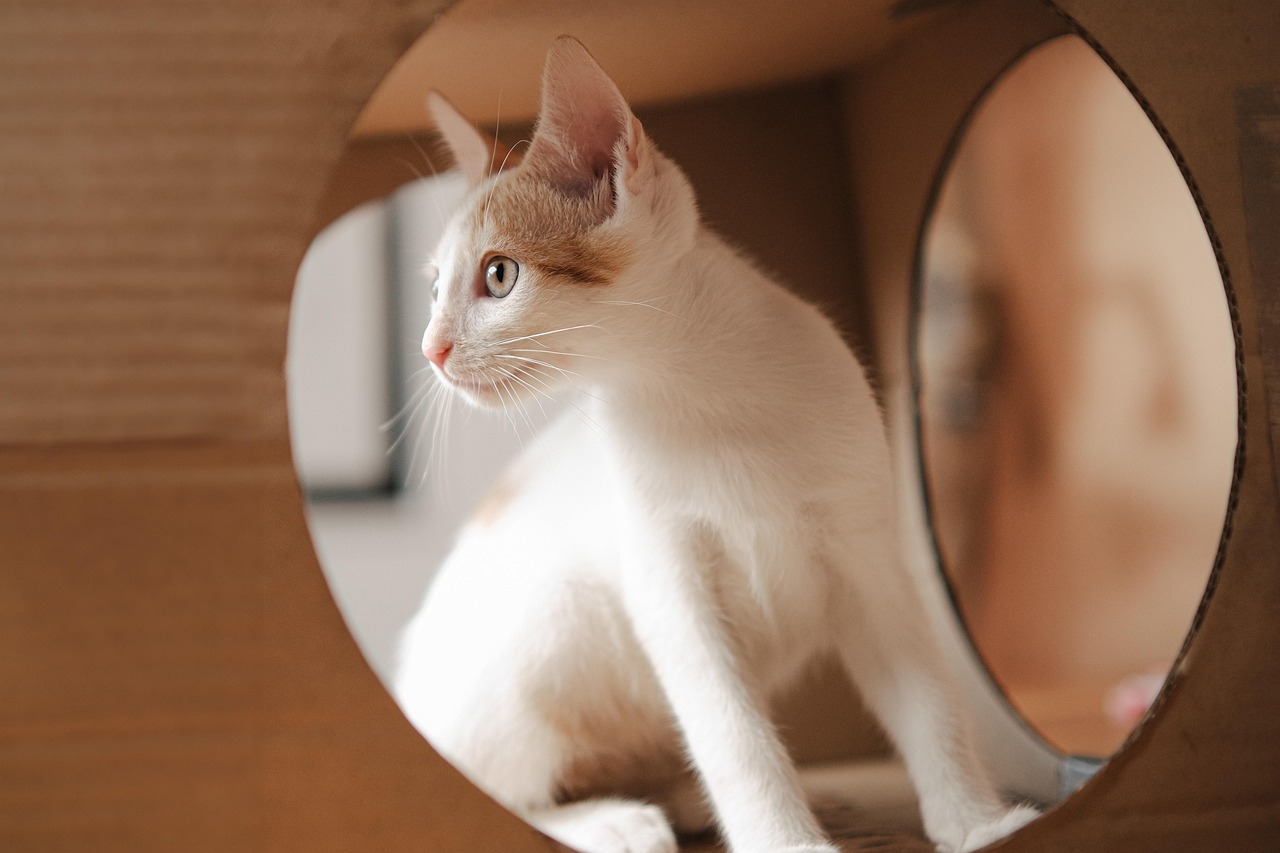
Creating a backyard oasis that caters to both you and your furry companions is a rewarding endeavor. It’s about striking a balance between aesthetics, functionality, and safety, ensuring that your pets can enjoy the outdoors just as much as you do. From choosing pet-safe plants to designing a durable play area, this guide provides practical tips to transform your backyard into a pet-friendly paradise.
Designing a Safe and Secure Backyard
A secure backyard is paramount for your pet’s safety and your peace of mind. Preventing escapes and protecting your pets from hazards is the first step in creating a pet-friendly outdoor space.
Fencing Considerations
- Height and Material: Ensure your fence is tall enough to prevent jumping or climbing. Different breeds have different abilities, so consider your pet’s specific needs. Materials like wood, chain-link, or vinyl are common choices. Consider burying the fence a few inches into the ground to deter digging. A six-foot fence is often recommended for medium to large dogs known to jump.
- Regular Inspections: Regularly inspect your fence for any damage, such as holes, loose boards, or weak spots. Address these issues promptly to maintain security.
- Gate Security: Use self-closing and self-latching gates to prevent accidental openings. Double-check the latch mechanism regularly to ensure it’s functioning correctly. Consider adding a padlock for extra security when you’re away.
Eliminating Hazards
- Toxic Plants: Research and remove any plants that are poisonous to pets. Common culprits include lilies, azaleas, rhododendrons, and sago palms. The ASPCA has a comprehensive list of toxic and non-toxic plants on their website.
- Chemicals and Fertilizers: Store all gardening chemicals, fertilizers, and pesticides in a secure location out of your pet’s reach. Opt for pet-safe alternatives when possible. Organic fertilizers are generally safer.
- Sharp Objects: Remove any sharp objects, such as broken glass, rusty nails, or exposed wiring. Regularly check the yard for potential hazards after storms or landscaping work.
Creating a Comfortable and Engaging Environment
Beyond safety, creating a comfortable and engaging environment will encourage your pets to enjoy the backyard and get the exercise and mental stimulation they need.
Providing Shade and Water
- Shady Retreats: Provide ample shade, especially during hot summer months. Trees, shrubs, or a covered patio can offer relief from the sun. Dog houses or shaded shelters can also be beneficial. Consider planting deciduous trees that provide shade in the summer and allow sunlight in the winter.
- Fresh Water Sources: Ensure a constant supply of fresh, clean water. Automatic water bowls or fountains can be a convenient option. Regularly clean and refill water sources to prevent algae growth. Multiple water stations are helpful if you have multiple pets or a large yard.
Designated Play Areas
- Digging Zones: If your dog loves to dig, create a designated digging zone with soft soil or sand. Bury toys or treats in the area to encourage use.
- Running Paths: Designate a running path or track for your dog to exercise. This can be a simple loop around the yard or a more elaborate obstacle course. Consider using soft materials like mulch or grass to cushion their paws.
- Play Equipment: Incorporate pet-friendly play equipment, such as tunnels, ramps, or climbing structures. Be sure to choose equipment that is appropriate for your pet’s size and breed.
Choosing Pet-Friendly Landscaping
The plants and ground coverings you choose can significantly impact your pet’s comfort and safety. Opting for durable and non-toxic materials is key.
Safe Plant Selection
- Non-Toxic Options: Choose plants that are non-toxic to pets. Some safe options include sunflowers, petunias, zinnias, and impatiens. Herbs like basil, rosemary, and thyme are also generally safe and can add fragrance to your garden.
- Durable Varieties: Select plants that can withstand pet traffic. Ground covers like clover or creeping thyme can tolerate light foot traffic. Hardy shrubs like boxwood or juniper can provide visual interest without being easily damaged.
- Avoid Thorny Plants: Steer clear of thorny or prickly plants, such as roses or cacti, which can injure your pet.
Ground Cover Considerations
- Grass: Grass is a classic choice, but it can be susceptible to damage from pet urine and digging. Choose a hardy variety like Kentucky bluegrass or perennial ryegrass. Regularly water and fertilize the grass to maintain its health.
- Mulch: Mulch can provide a soft and comfortable surface for pets to walk on. Opt for shredded hardwood mulch, which is less likely to splinter than pine bark mulch. Avoid cocoa bean mulch, which is toxic to dogs.
- Gravel or Pebbles: Gravel or pebbles can be used in areas where grass is difficult to grow, such as around patios or walkways. Choose smooth, rounded pebbles to prevent injury.
Maintaining a Clean and Hygienic Backyard
Regular maintenance is crucial for preventing odors, controlling pests, and ensuring a healthy environment for your pets.
Waste Management
- Regular Cleanup: Pick up pet waste daily to prevent odors and the spread of bacteria. Use a pooper scooper and dispose of waste in a sealed bag.
- Designated Waste Area: Designate a specific area for pet waste disposal, such as a compost bin or a pet waste disposal system.
- Enzyme Cleaners: Use enzyme cleaners to neutralize odors and break down organic matter on patios, decks, and artificial turf.
Pest Control
- Natural Repellents: Use natural pest repellents, such as diatomaceous earth or cedar chips, to control fleas, ticks, and other pests.
- Professional Services: Consider professional pest control services if you have a severe infestation. Be sure to inform the pest control company that you have pets so they can use pet-safe treatments.
- Standing Water: Eliminate standing water to prevent mosquito breeding. Empty bird baths, flower pots, and other containers regularly.
Adapting the Backyard for Different Pets
Different pets have different needs and preferences. Tailoring your backyard to accommodate specific animal behaviors is important.
Considerations for Dogs
- Digging: Provide a designated digging area or use landscaping techniques to deter digging in unwanted areas.
- Chewing: Provide plenty of chew toys to satisfy their chewing instincts and prevent them from chewing on plants or furniture.
- Barking: Train your dog to bark appropriately and address any underlying causes of excessive barking.
Considerations for Cats
- Climbing: Provide climbing structures, such as cat trees or shelves, to satisfy their climbing instincts.
- Hiding: Provide hiding places, such as bushes or tunnels, where they can feel safe and secure.
- Scratching: Provide scratching posts or pads to prevent them from scratching furniture or other surfaces.
Considerations for Other Pets
- Small Animals (Rabbits, Guinea Pigs): Provide a secure enclosure with plenty of space to roam and play. Protect them from predators and extreme weather conditions.
- Birds: Provide a bird bath and bird feeders to attract birds to your yard. Be mindful of bird-safe plants and avoid using pesticides or herbicides that could harm them.
Conclusion
Creating a pet-friendly backyard requires careful planning and ongoing maintenance. By prioritizing safety, comfort, and hygiene, you can transform your outdoor space into a haven for both you and your beloved pets. Remember to regularly assess your backyard and make adjustments as needed to ensure it continues to meet your pet’s evolving needs. By implementing these tips, you’ll be well on your way to enjoying a beautiful and functional backyard that everyone can appreciate.