

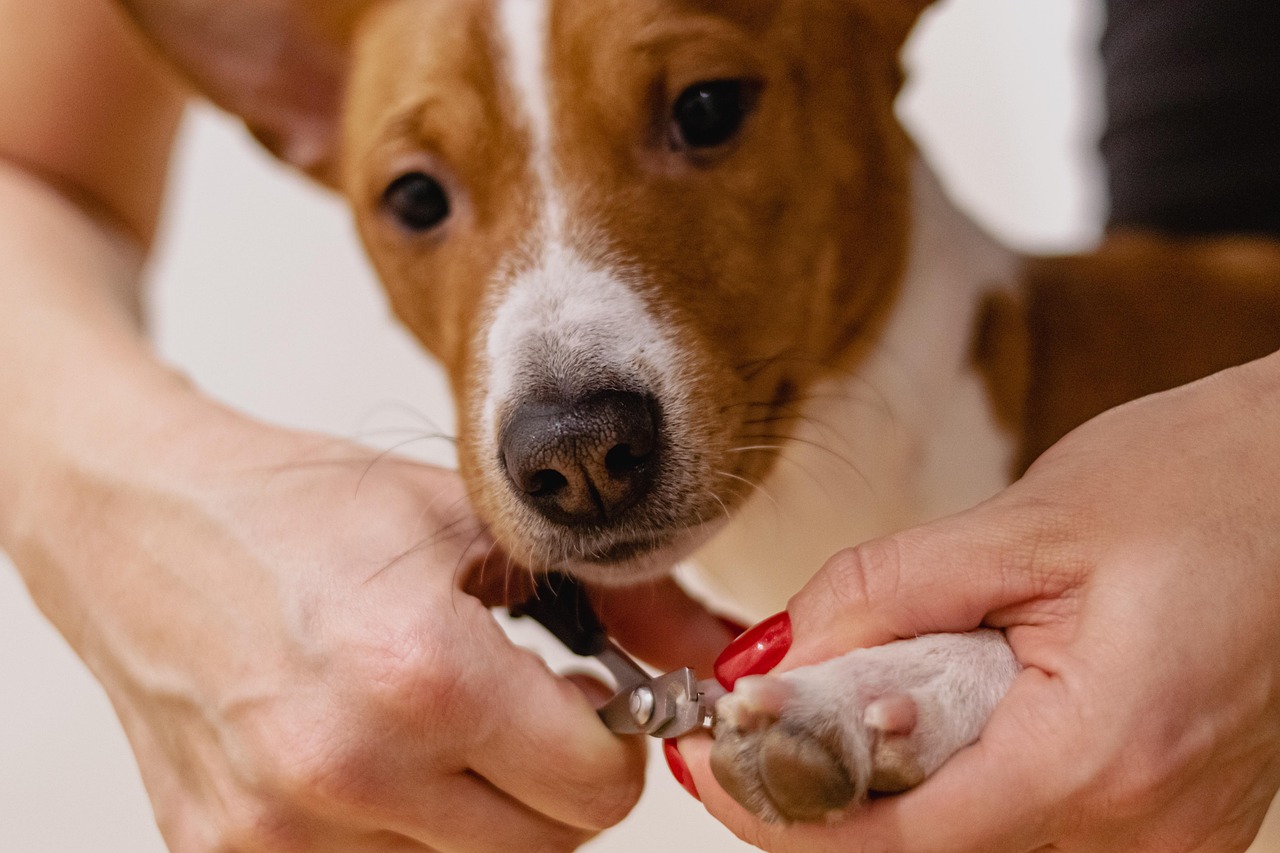
Keeping your feline friend looking and feeling their best doesn’t always require expensive trips to the groomer. In fact, with the right tools and techniques, you can easily maintain your cat’s coat, nails, and overall hygiene from the comfort of your own home. Home grooming isn’t just about aesthetics; it’s a wonderful way to bond with your cat, monitor their health, and address potential issues before they escalate. This guide will walk you through the essentials of cat grooming at home, ensuring a happy and healthy kitty.
The Benefits of Home Grooming for Cats
Enhanced Bonding and Trust
- Grooming sessions offer dedicated one-on-one time, strengthening the bond between you and your cat.
- Regular handling during grooming helps your cat become more comfortable with being touched and examined, reducing stress during vet visits.
- Positive reinforcement, such as treats and praise, makes grooming a positive experience. For example, try offering your cat a small, high-value treat after each step, like brushing a specific area or trimming one nail.
Early Detection of Health Issues
- Grooming allows you to closely examine your cat’s skin for lumps, bumps, fleas, ticks, or signs of irritation.
- Checking your cat’s ears regularly can help identify ear mites or infections early on. Look for excessive scratching, head shaking, or dark discharge.
- Observing your cat’s overall coat condition can indicate underlying health problems, such as allergies or nutritional deficiencies. A dull, matted coat can be a sign of illness.
Reduced Hairballs and Improved Hygiene
- Regular brushing removes loose fur, minimizing the amount ingested during self-grooming, which reduces the formation of hairballs. Statistics show that cats spend an average of 2 hours grooming themselves per day, meaning a lot of hair can be ingested!
- Grooming helps distribute natural oils throughout the coat, keeping it healthy and shiny.
- Trimming nails prevents overgrowth, which can cause discomfort and injury. Overgrown nails can also become embedded in carpets or furniture.
Essential Grooming Tools for Cats
Brushes and Combs
- Slicker Brush: Ideal for removing loose fur and preventing mats, especially in long-haired breeds.
Example: Use a slicker brush gently in the direction of hair growth to remove loose undercoat and tangles.
- Grooming Comb: Perfect for detangling knots and checking for fleas. Look for combs with varying tooth spacing.
Example: Use a wide-toothed comb to gently work through any tangles, then switch to a finer-toothed comb to check for fleas and debris.
- Rubber Grooming Brush/Mitt: Gentle option for short-haired cats to remove loose fur and stimulate the skin.
Example: Use a rubber brush in circular motions to massage the skin and loosen dead hair.
Nail Clippers
- Guillotine Clippers: Require careful placement to avoid cutting the quick.
Tip: Clip only the very tip of the nail and observe your cat’s reaction. If they flinch, you’ve cut too much.
- Scissor-Type Clippers: Provide better control and visibility.
Tip: These clippers offer more precision, allowing you to see exactly where you are cutting.
- Styptic Powder: Essential for stopping bleeding if you accidentally cut the quick. Have it readily available.
Other Helpful Items
- Washcloth and Mild Pet Shampoo: For occasional baths or spot cleaning. Look for shampoos specifically formulated for cats to avoid irritation.
- Ear Cleaning Solution: Formulated for cats, to remove wax and debris.
- Treats: Positive reinforcement is key to a successful grooming session.
- Towel: To dry your cat after a bath or wipe down their paws.
Step-by-Step Guide to Grooming Your Cat
Brushing Techniques
- Start Slowly: Begin with short sessions, gradually increasing the duration as your cat becomes more comfortable.
- Be Gentle: Avoid pulling or tugging on the fur. Use gentle, consistent strokes.
- Focus on Problem Areas: Pay special attention to areas prone to matting, such as behind the ears, under the legs, and around the tail.
Example: If your cat has a mat behind their ear, use a detangling spray and gently work the mat out with a grooming comb, starting from the outer edges.
- Positive Reinforcement: Reward your cat with treats and praise throughout the grooming session.
Nail Trimming
- Get Your Cat Comfortable: Gently massage their paws before attempting to trim their nails.
- Extend the Paw: Gently squeeze the paw to extend the claws.
- Locate the Quick: The pink area of the nail contains blood vessels and nerves. Avoid cutting into it.
- Clip the Tip: Trim only the very tip of the nail, avoiding the quick.
- If You Cut the Quick: Apply styptic powder to stop the bleeding.
- Work in Stages: If your cat is resistant, trim a few nails each day instead of trying to do them all at once.
Bathing Your Cat (When Necessary)
- Prepare Everything in Advance: Gather your shampoo, towels, and a non-slip mat for the bathtub or sink.
- Wet the Coat: Use lukewarm water to thoroughly wet your cat’s coat.
- Apply Shampoo: Gently massage the shampoo into the coat, avoiding the eyes and ears.
- Rinse Thoroughly: Rinse all shampoo residue from the coat.
- Dry Your Cat: Use a towel to remove excess water, then allow your cat to air dry or use a low-heat hair dryer.
- Keep it calm: Talk soothingly to your cat throughout the process.
Ear Cleaning
- Use a Cat-Specific Ear Cleaner: Never use human ear cleaners, as they can be harmful to cats.
- Apply Solution: Gently squeeze a small amount of ear cleaning solution into the ear canal.
- Massage the Base of the Ear: Massage gently for a few seconds to loosen debris.
- Wipe Clean: Use a cotton ball or gauze pad to wipe away any dirt or wax from the ear canal. Never insert cotton swabs deep into the ear canal.
- Observe for Signs of Infection: Look for redness, swelling, discharge, or an unpleasant odor, which could indicate an ear infection. Consult a veterinarian if you suspect an infection.
Addressing Common Grooming Challenges
Dealing with a Frightened Cat
- Create a Calm Environment: Choose a quiet time and location for grooming.
- Use Positive Reinforcement: Reward your cat with treats and praise.
- Take Breaks: If your cat becomes stressed, stop and try again later.
- Consider a Calming Aid: Consult your veterinarian about using calming sprays or supplements.
- Desensitize Your Cat: Gradually introduce grooming tools and procedures to your cat. Let them sniff the brush, then gently brush them for a few seconds, rewarding them with a treat.
Matted Fur
- Prevention is Key: Regular brushing is the best way to prevent mats.
- Use a Detangling Spray: Apply detangling spray to the mat and gently work it out with a grooming comb.
- Use Mat Splitter or Rake: These tools can help break up the mat into smaller pieces.
- If Necessary, Shave the Mat: If the mat is too severe, carefully shave it off with clippers. Be extremely careful not to cut the skin. If you’re not comfortable doing this yourself, consult a professional groomer.
Cat Bites and Scratches
- Stay Calm: Reacting with anger will only make your cat more fearful.
- Stop the Grooming Session: If your cat becomes aggressive, stop immediately and try again later.
- Consult a Professional: If your cat consistently bites or scratches during grooming, consult a professional groomer or veterinary behaviorist for assistance.
- Use Protective Gear: Wear gloves and long sleeves to protect yourself from scratches.
Conclusion
Home grooming for your cat is a rewarding experience that benefits both you and your furry friend. By following these tips and establishing a consistent grooming routine, you can keep your cat looking and feeling their best, while also strengthening your bond and monitoring their health. Remember to be patient, gentle, and always prioritize your cat’s comfort and well-being.