

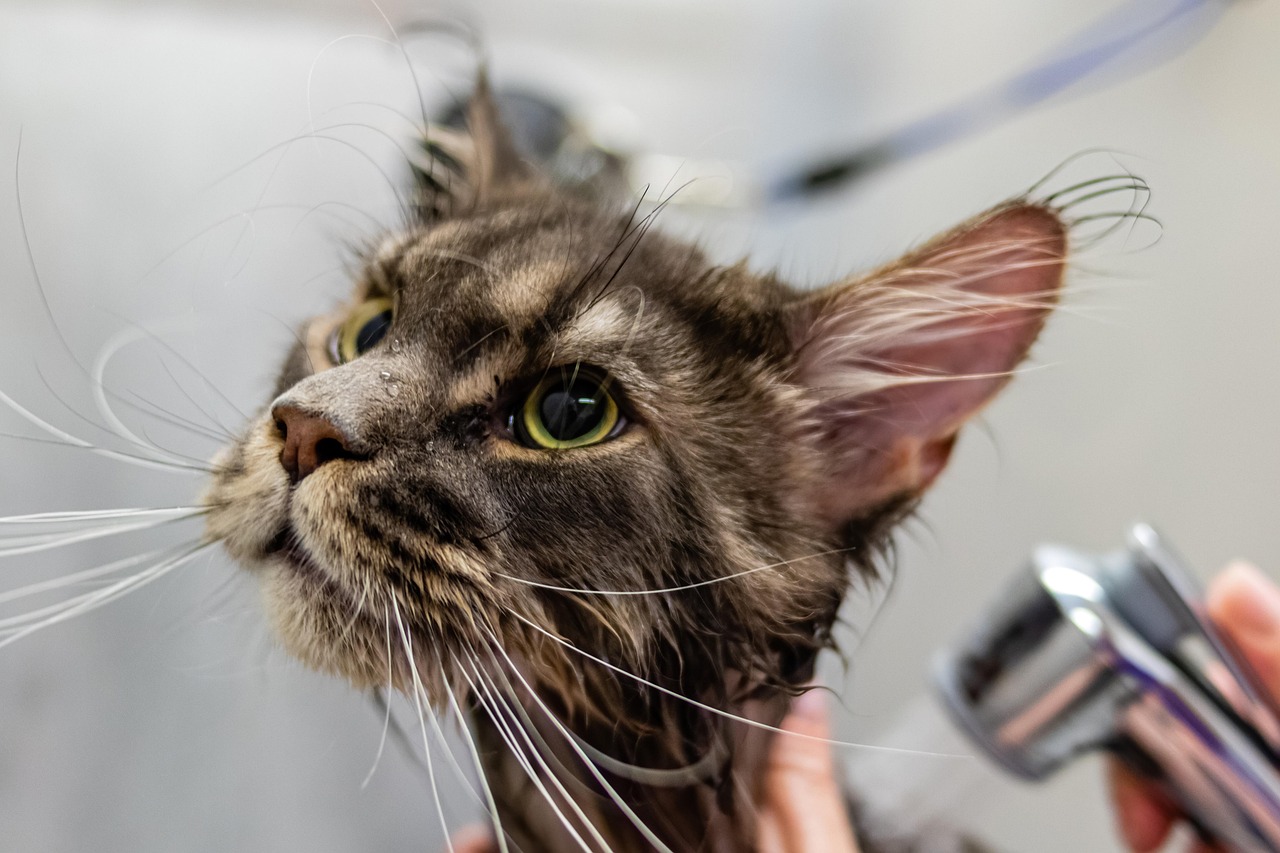
As your feline friend gracefully ages, their needs evolve, requiring a shift in care and attention. Senior cats, typically those aged 11 years and older, deserve extra love and understanding as they navigate the golden years of their lives. This comprehensive guide will provide valuable insights into senior cat care, ensuring your beloved companion enjoys a comfortable, healthy, and fulfilling life.
Understanding Senior Cat Health
Age-Related Changes in Cats
Just like humans, cats experience age-related changes that can impact their health and well-being. Recognizing these changes early is crucial for providing appropriate care.
- Reduced Mobility: Arthritis and joint stiffness are common in senior cats, leading to decreased activity and difficulty jumping.
- Sensory Decline: Hearing and vision may deteriorate with age, affecting their awareness and responsiveness.
- Cognitive Dysfunction: Some senior cats develop cognitive dysfunction syndrome (CDS), similar to Alzheimer’s disease in humans, causing confusion, disorientation, and altered sleep patterns. Approximately 50% of cats over 15 years old show signs of cognitive decline.
- Decreased Appetite: Changes in taste and smell, dental problems, or underlying health issues can lead to a decreased appetite.
- Weakened Immune System: Senior cats are more susceptible to infections and illnesses due to a weakened immune system.
Actionable Takeaway: Schedule regular veterinary check-ups (at least twice a year) to monitor your senior cat’s health and detect any age-related issues early.
Common Health Problems in Senior Cats
Senior cats are prone to certain health conditions that require specific management and care. Being aware of these potential problems will help you be a more proactive caregiver.
- Kidney Disease: A leading cause of illness and death in older cats. Symptoms include increased thirst and urination, weight loss, and decreased appetite. Early detection through blood and urine tests is vital.
- Hyperthyroidism: An overactive thyroid gland leading to increased metabolism. Symptoms include weight loss despite increased appetite, hyperactivity, and vomiting.
- Diabetes Mellitus: A condition where the body doesn’t produce enough insulin or can’t use it effectively. Symptoms include increased thirst and urination, weight loss, and increased appetite.
- Arthritis: Inflammation of the joints, causing pain and stiffness. Management includes weight control, joint supplements, and pain medication.
- Dental Disease: A common problem in older cats, leading to pain, difficulty eating, and potential systemic infections. Regular dental cleanings are essential. Approximately 70% of cats show signs of dental disease by age 3.
- Cancer: The risk of cancer increases with age. Early detection through regular vet visits and screenings is crucial for effective treatment.
Actionable Takeaway: Familiarize yourself with the symptoms of common senior cat illnesses and report any concerns to your veterinarian promptly.
Creating a Comfortable Environment
Adjusting Living Spaces
Making adjustments to your cat’s living environment can significantly improve their comfort and accessibility.
- Litter Box Placement: Place litter boxes on each level of your home, ensuring they are easily accessible, especially if your cat has mobility issues. Choose litter boxes with low sides for easier entry.
- Food and Water Bowls: Elevated food and water bowls can reduce strain on their neck and joints, making it easier for them to eat and drink.
- Soft Bedding: Provide multiple soft and comfortable beds in warm and quiet areas of your home. Heated beds can be particularly beneficial for arthritic cats.
- Ramps and Steps: Install ramps or steps to help your cat reach their favorite spots, such as windowsills or the couch, without straining their joints.
Example: My senior cat, Whiskers, used to struggle to jump onto the bed. I added a small set of pet stairs, and now she can easily join me for cuddles.
Actionable Takeaway: Assess your cat’s daily routines and identify areas where environmental modifications can enhance their comfort and accessibility.
Maintaining a Safe and Stimulating Environment
Even with age-related changes, mental and physical stimulation are crucial for maintaining your senior cat’s well-being.
- Regular Grooming: Help your cat groom themselves by brushing them regularly. This removes loose fur, prevents mats, and stimulates circulation. This is especially important as senior cats may not be able to groom themselves as well as they used to.
- Interactive Play: Engage in gentle play sessions using toys like feather wands or laser pointers. Adjust the intensity and duration of the play to match your cat’s physical abilities.
- Mental Enrichment: Provide puzzle feeders or treat-dispensing toys to challenge your cat mentally and keep them engaged. Rotate toys regularly to keep them interested.
- Safe Outdoor Access (if applicable): If your cat enjoys spending time outdoors, ensure their access is safe and supervised. Consider building a catio or using a harness and leash.
Actionable Takeaway: Create a routine that incorporates both physical and mental stimulation, tailoring activities to your cat’s individual abilities and preferences.
Nutritional Needs of Senior Cats
Choosing the Right Food
A balanced and age-appropriate diet is essential for maintaining your senior cat’s health and vitality. Choose a food that is specifically formulated for senior cats.
- Lower Calorie Content: Senior cats tend to be less active, so a lower calorie diet can help prevent weight gain.
- High-Quality Protein: Sufficient protein is crucial for maintaining muscle mass and supporting organ function.
- Easily Digestible Ingredients: Senior cats may have difficulty digesting certain ingredients, so choose a food with easily digestible proteins and carbohydrates.
- Added Supplements: Look for foods that contain added supplements like glucosamine and chondroitin for joint support, and omega-3 fatty acids for skin and coat health.
Example: Switching my senior cat to a food specifically formulated for older cats with sensitive stomachs significantly improved her digestion and energy levels.
Actionable Takeaway: Consult with your veterinarian to determine the best food for your senior cat’s individual needs and health conditions.
Addressing Feeding Challenges
Senior cats may experience challenges with eating, such as decreased appetite or difficulty chewing. Here are some tips to address these issues:
- Warm the Food: Warming wet food slightly can enhance its aroma and make it more appealing.
- Offer Small, Frequent Meals: Instead of one or two large meals, offer smaller meals throughout the day to make it easier for your cat to digest.
- Soften Dry Food: If your cat has dental problems, soften dry food with water or broth to make it easier to chew.
- Consider a Different Food Texture: If your cat is having trouble eating dry food, try switching to wet food or a pate.
- Ensure Fresh Water is Always Available: Dehydration is a serious concern for senior cats, so make sure they have access to fresh, clean water at all times. Consider a water fountain to encourage drinking.
Actionable Takeaway: Monitor your cat’s eating habits closely and consult with your veterinarian if you notice any significant changes in their appetite or eating behavior.
Monitoring and Veterinary Care
Regular Veterinary Check-ups
Regular veterinary check-ups are crucial for maintaining your senior cat’s health and detecting any age-related problems early. Aim for at least twice-yearly visits.
- Comprehensive Physical Examination: Your veterinarian will perform a thorough physical examination to assess your cat’s overall health.
- Blood and Urine Tests: These tests can help detect kidney disease, diabetes, hyperthyroidism, and other common health problems.
- Dental Examination: Your veterinarian will examine your cat’s teeth and gums for signs of dental disease.
- Vaccinations and Parasite Prevention: Your veterinarian will recommend appropriate vaccinations and parasite prevention based on your cat’s individual needs and lifestyle.
Actionable Takeaway: Schedule regular veterinary check-ups for your senior cat and discuss any concerns you have with your veterinarian.
Recognizing Signs of Pain or Discomfort
Senior cats may not always show obvious signs of pain or discomfort. It’s important to be observant and recognize subtle changes in their behavior.
- Changes in Behavior: Look for changes in activity level, appetite, grooming habits, or social interactions.
- Hiding or Withdrawal: A cat in pain may hide or withdraw from social interactions.
- Changes in Posture or Gait: Pay attention to how your cat walks, stands, and lies down. A cat with arthritis may limp or have difficulty getting up.
- Increased Vocalization: Some cats may become more vocal when they are in pain.
- Loss of Litter Box Habits: Pain or mobility issues can make it difficult for cats to reach the litter box in time.
Actionable Takeaway: Keep a journal of your cat’s daily routines and behaviors to help you identify any subtle changes that may indicate pain or discomfort.
Conclusion
Caring for a senior cat requires patience, understanding, and a proactive approach. By understanding the age-related changes and common health problems that affect older cats, you can provide the necessary care and support to ensure they enjoy a comfortable, healthy, and fulfilling life. Regular veterinary check-ups, a comfortable environment, a nutritious diet, and plenty of love and attention are all essential components of senior cat care. Embrace the golden years with your feline companion, and cherish the special bond you share.