

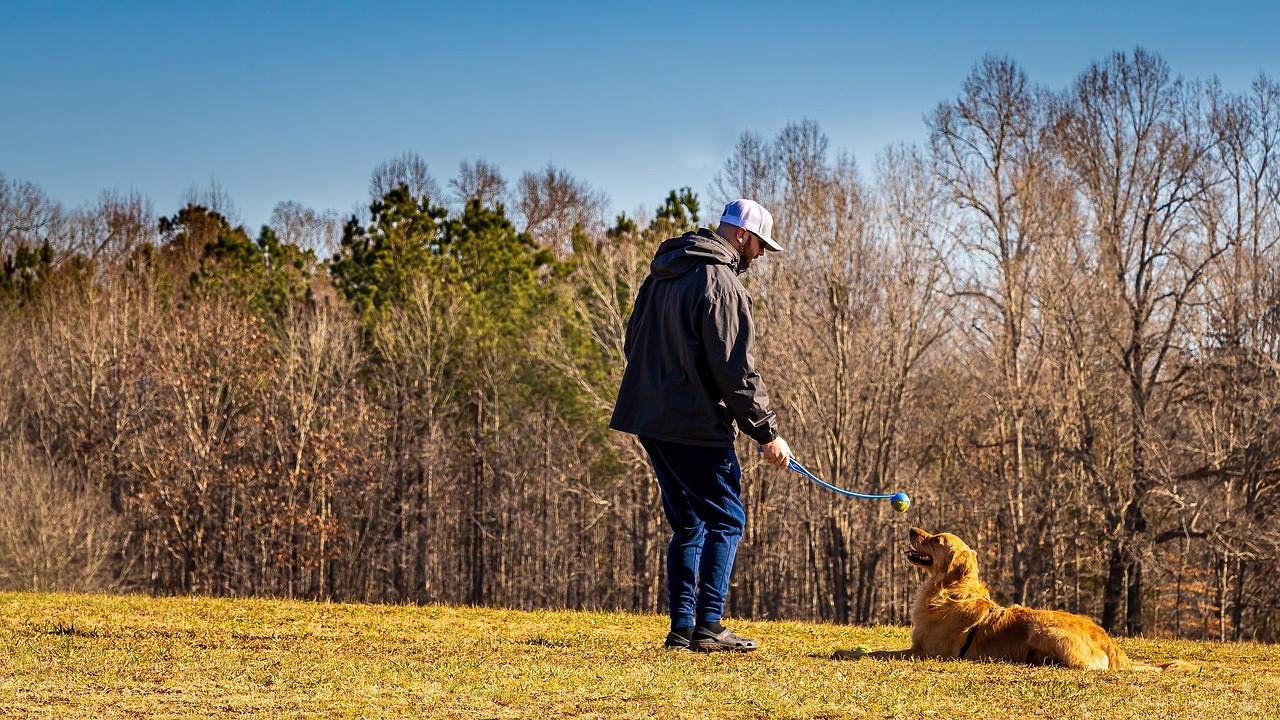
Embarking on the journey of dog ownership is an incredibly rewarding experience. However, a well-behaved dog doesn’t just happen; it requires dedication, patience, and consistent training. While professional dog obedience classes offer invaluable guidance, you can also achieve remarkable results by implementing a structured dog obedience training program right in the comfort of your own home. This guide will provide you with the knowledge and techniques to successfully train your furry friend and build a stronger bond.
Understanding the Fundamentals of Dog Obedience Training
Positive Reinforcement is Key
- The most effective and humane method for dog obedience training is positive reinforcement. This involves rewarding your dog for desired behaviors with treats, praise, or toys.
- Avoid punishment, which can create fear and anxiety, hindering the learning process.
- Focus on rewarding good behavior, rather than punishing bad behavior. For example, if your dog sits when asked, immediately give them a treat and praise. If they jump on you, ignore the behavior and redirect them to a sit.
Consistency is Paramount
- Consistency is crucial for effective training. Use the same commands and hand signals every time.
- Ensure that all members of the household are on board with the training plan and using the same methods.
- Inconsistency can confuse your dog and slow down the learning process.
Keep Training Sessions Short and Fun
- Dogs have short attention spans, so keep training sessions brief, ideally 5-10 minutes long.
- End each session on a positive note, with a command your dog knows well.
- Make training fun and engaging by using toys, games, and plenty of praise.
Essential Dog Obedience Commands to Teach at Home
“Sit”
- This is one of the most fundamental and useful commands.
- Method: Hold a treat in front of your dog’s nose and slowly move it upwards and backwards over their head. As their head goes up, their rear should naturally lower into a sit. As soon as they sit, say “Sit,” give them the treat, and praise them enthusiastically.
- Troubleshooting: If your dog jumps up instead of sitting, lower the treat closer to their nose and try again.
“Stay”
- “Stay” teaches your dog self-control and is crucial for safety.
- Method: Start with your dog in a “sit” or “down” position. Hold your hand up in a “stop” gesture and say “Stay.” Begin by staying just for a second or two, then gradually increase the duration. Reward them for staying.
- Troubleshooting: If your dog breaks the “stay,” calmly return them to the starting position and try again. Don’t scold them.
“Come”
- A reliable “come” command is essential for your dog’s safety and allows you to recall them in various situations.
- Method: Use a cheerful tone and say “Come!” while gently tugging on the leash. As your dog comes to you, shower them with praise and treats. Practice in a safe, enclosed area initially, then gradually introduce distractions.
- Troubleshooting: Never use the “come” command to punish your dog, as this will create a negative association.
“Down”
- The “down” command encourages relaxation and can be useful in various situations.
- Method: Hold a treat in front of your dog’s nose and slowly move it down towards the floor. As they lower their body, say “Down.” Once they are in a down position, give them the treat and praise.
- Troubleshooting: If your dog sits instead of lying down, try placing the treat between their front paws to encourage them to lie down.
Addressing Common Dog Obedience Training Challenges at Home
Jumping
- Problem: Dogs often jump on people to greet them or seek attention.
- Solution: Ignore the jumping behavior and turn away. Only give attention when all four paws are on the ground. You can also teach an alternative behavior, such as “sit,” and reward your dog for sitting instead of jumping.
Excessive Barking
- Problem: Excessive barking can be disruptive and annoying.
- Solution: Identify the cause of the barking (e.g., boredom, anxiety, territoriality). Provide adequate exercise and mental stimulation. Teach a “quiet” command. When your dog starts barking, say “Quiet” and wait for them to stop, even for a brief moment. Reward them immediately when they are quiet.
Leash Pulling
- Problem: Leash pulling can make walks unpleasant and potentially dangerous.
- Solution: Use a front-clip harness or a head halter to discourage pulling. When your dog starts to pull, stop walking and wait for them to stop pulling before continuing. You can also change direction to redirect their attention.
Leveraging Online Resources and Tools for Dog Obedience Training
Online Training Courses
- Many reputable online dog training courses offer step-by-step guidance and support.
- Look for courses that use positive reinforcement methods.
- These courses often include video demonstrations and personalized feedback.
Training Apps
- Several mobile apps are available to help you track your dog’s progress and access training tips.
- Some apps offer built-in clicker training tools and reward tracking.
YouTube Tutorials
- YouTube is a vast resource for dog training tutorials.
- Search for videos on specific commands or problem behaviors.
- Be sure to vet the source and choose trainers who use positive reinforcement methods.
Conclusion
Dog obedience training at home is a rewarding journey that strengthens the bond between you and your canine companion. By understanding the fundamentals of positive reinforcement, consistency, and addressing common challenges proactively, you can successfully train your dog and enjoy a harmonious relationship. Remember to be patient, persistent, and most importantly, have fun! With dedication and the right approach, you can transform your furry friend into a well-behaved and beloved member of the family.