

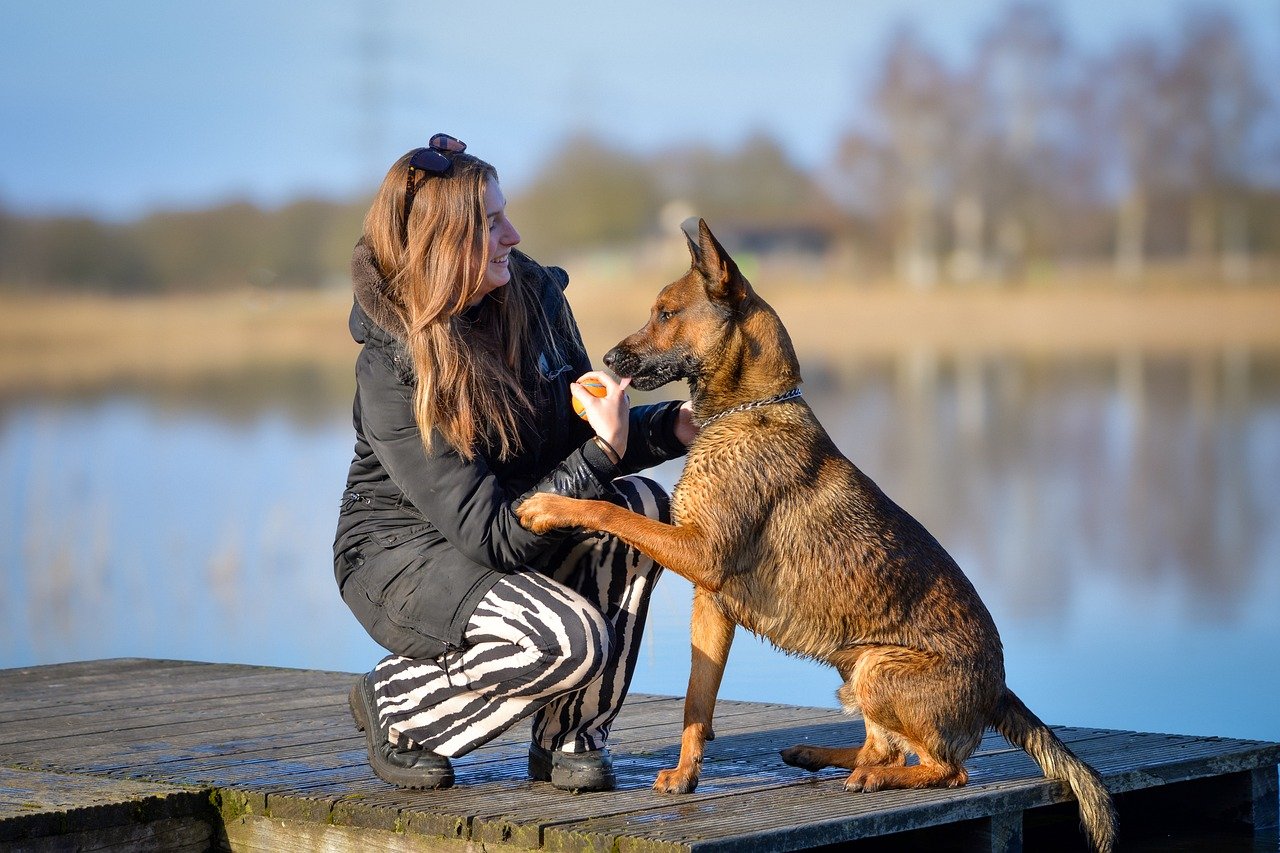
Crate training your new puppy is one of the most rewarding investments you can make in their future. It provides them with a safe haven, aids in housebreaking, and helps prevent destructive behaviors. When done correctly, crate training isn’t cruel; it’s about teaching your puppy that their crate is a comfortable, secure, and enjoyable place to be. This guide will walk you through the process, providing you with the knowledge and tools you need for successful crate training.
Choosing the Right Crate for Your Puppy
Crate Size and Type
Selecting the appropriate crate is the first crucial step in successful crate training. The crate should be large enough for your puppy to stand up, turn around, and lie down comfortably, but not so large that they can eliminate in one corner and sleep in another.
- Wire Crates: These are versatile, offering good ventilation and visibility. Many come with dividers, allowing you to adjust the size as your puppy grows. This prevents them from using part of the crate as a toilet area.
Example: A wire crate with a divider is a great choice for a Golden Retriever puppy. As they grow, you can move the divider to give them more space.
- Plastic Crates (Kennels): These are more enclosed and provide a den-like feel, which some puppies prefer. They’re also useful for travel.
Example: A nervous or shy puppy might feel more secure in a plastic crate, especially when introduced to new environments.
- Soft-Sided Crates: These are lightweight and portable, ideal for travel or temporary use. However, they are not suitable for puppies who are prone to chewing.
Example: A soft-sided crate is perfect for taking your puppy to a friend’s house for a playdate, but make sure your puppy doesn’t view the soft material as a chew toy.
Crate Placement
Where you place the crate is just as important as the type of crate you choose. Place it in a high-traffic area of your home, such as the living room or kitchen, so your puppy feels like they are part of the family.
- Benefits of Proper Placement:
Reduces feelings of isolation.
Allows you to monitor your puppy.
Makes crate training a more positive experience.
Making the Crate Comfortable
Transforming the crate into a cozy den is essential for your puppy’s comfort and willingness to enter.
- Soft Bedding: A comfortable dog bed or blanket makes the crate a more inviting place.
- Safe Toys: Provide safe, durable chew toys to keep your puppy entertained while they are in the crate.
- Familiar Scents: Add an old t-shirt or blanket with your scent to help your puppy feel secure and reduce anxiety.
Introducing Your Puppy to the Crate
Positive Association
The goal is to create positive associations with the crate from the very beginning. Never force your puppy into the crate, as this can create fear and anxiety.
- Treats and Toys: Toss treats and toys into the crate to encourage your puppy to enter voluntarily.
Example: Throw a high-value treat like a small piece of cooked chicken or cheese into the crate. As your puppy goes in to get it, praise them enthusiastically.
- Feeding Meals in the Crate: Feeding your puppy their meals inside the crate reinforces the positive association.
Example: Place your puppy’s food bowl at the back of the crate. Initially, you might need to place the bowl just inside the entrance and gradually move it further back as your puppy becomes more comfortable.
Gradual Introduction
Take it slow and let your puppy explore the crate at their own pace.
- Short Sessions: Start with short sessions of just a few minutes and gradually increase the time as your puppy becomes more comfortable.
- Open Door Policy: Keep the crate door open during the day so your puppy can go in and out as they please. This helps them see the crate as a safe and accessible space.
Avoiding Negative Associations
It’s crucial to avoid anything that could make your puppy dislike the crate.
- Never Use the Crate as Punishment: The crate should be a safe haven, not a place of punishment.
- Don’t Leave Your Puppy in the Crate Too Long: Puppies have small bladders and need frequent potty breaks. Leaving them in the crate for too long can lead to accidents and anxiety.
Rule of Thumb: A general guideline is that puppies can hold their bladder for the number of hours corresponding to their age in months, plus one (e.g., a 3-month-old puppy can typically hold it for about 4 hours). However, this varies between individual dogs.
Crate Training Techniques
Building Duration
Once your puppy is comfortable entering the crate, you can start to increase the amount of time they spend inside.
- Start Slowly: Begin with a few minutes at a time, gradually increasing the duration.
Example: Start with 5 minutes, then 10, then 15, and so on.
- Stay Close: Initially, stay in the same room as your puppy while they are in the crate. This provides reassurance and helps them feel secure.
- Distraction Techniques: Use toys, chew treats, or puzzle toys to keep your puppy occupied while they are in the crate.
Addressing Whining and Barking
Whining and barking are common during crate training, especially in the early stages.
- Ignore Attention-Seeking Behavior: If your puppy is whining or barking for attention, it’s important to ignore the behavior unless you suspect they need to go to the bathroom. Responding to attention-seeking whining can inadvertently reinforce the behavior.
- Potty Breaks: Take your puppy outside for a potty break if you suspect they need to eliminate. If they eliminate outside, praise them and bring them back into the crate.
- Rule Out Other Issues: Ensure your puppy is not whining or barking due to discomfort, hunger, or thirst.
Nighttime Crate Training
Nighttime can be a challenging time for crate training, but with patience and consistency, your puppy will learn to sleep comfortably in their crate.
- Location, Location, Location: Initially, place the crate in your bedroom so your puppy feels secure and can hear your presence.
- Potty Break Before Bed: Take your puppy outside for a potty break right before bedtime.
- Consistent Bedtime Routine: Establish a consistent bedtime routine to help your puppy relax and prepare for sleep.
* Example: A bedtime routine could include a calming walk, a final potty break, and a few minutes of quiet cuddling before placing your puppy in the crate.
- Respond to Needs, Not Demands: If your puppy whines or barks during the night, wait a few minutes to see if they settle down. If the whining persists, take them outside for a potty break, but avoid playing or giving them attention.
Troubleshooting Common Crate Training Issues
Separation Anxiety
Some puppies experience separation anxiety, which can make crate training more challenging.
- Signs of Separation Anxiety: Excessive whining, barking, destructive behavior, and attempts to escape the crate.
- Consult a Professional: If your puppy is showing signs of severe separation anxiety, it’s important to consult with a veterinarian or certified dog trainer.
- Desensitization and Counterconditioning: These techniques involve gradually exposing your puppy to being alone in the crate while creating positive associations.
Crate Aversion
If your puppy has developed a negative association with the crate, it can be difficult to get them to enter willingly.
- Start Over: Go back to the basics and start the crate training process from the beginning.
- Make the Crate More Appealing: Use high-value treats, toys, and comfortable bedding to make the crate a more inviting place.
- Avoid Forcing: Never force your puppy into the crate, as this will only reinforce their negative association.
Accidents in the Crate
Accidents in the crate can happen, especially during the early stages of training.
- Clean Thoroughly: Clean up accidents immediately with an enzymatic cleaner to eliminate odors and prevent your puppy from wanting to repeat the behavior in the same spot.
- Adjust Feeding and Water Schedule: Monitor your puppy’s feeding and water schedule to predict when they will need to eliminate.
- More Frequent Potty Breaks: Take your puppy outside for more frequent potty breaks, especially after waking up, after meals, and before bedtime.
Conclusion
Crate training is a valuable tool for raising a well-adjusted and happy dog. By following these guidelines, you can help your puppy learn to love their crate and enjoy the many benefits it provides. Remember to be patient, consistent, and positive throughout the process, and celebrate your puppy’s successes along the way. Crate training not only provides your puppy with a secure den but also sets the foundation for a lifetime of good behavior and a strong bond between you and your furry friend.