

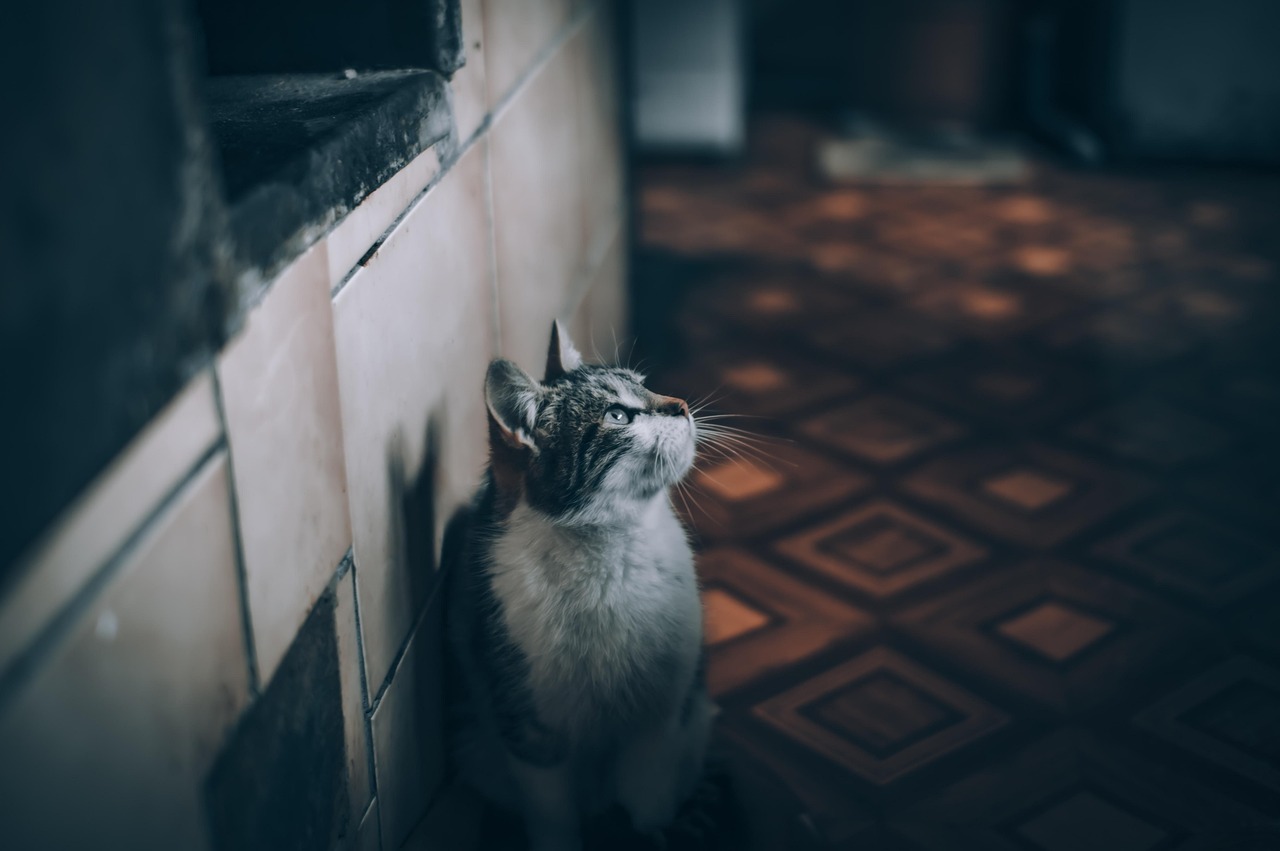
The holidays are a joyous time filled with family, friends, festive decorations, and delicious food. But for our beloved pets, the holiday season can bring unexpected stressors and potential hazards. From changes in routine to tempting treats and unfamiliar guests, it’s crucial to ensure your furry, feathered, or scaled companions remain safe, happy, and healthy throughout the celebrations. This guide provides essential holiday pet care tips to help you navigate the season with ease and create a paw-sitive experience for everyone.
Keeping Your Pet Safe From Holiday Hazards
The holidays introduce several potential dangers for pets that are not typically present year-round. Being aware of these risks is the first step in protecting your furry friends.
Holiday Decorations and Your Pet
Many holiday decorations, while beautiful, can pose significant threats to pets if ingested or interacted with.
- Tinsel and Ribbons: These shiny decorations are incredibly attractive to cats and dogs, but swallowing them can lead to intestinal blockages requiring surgery.
- Ornaments: Delicate glass ornaments can shatter, causing cuts and injuries. Also, the small metal hooks used to hang them can be ingested. Consider using plastic or non-toxic ornaments and securing them higher up on the tree.
- Christmas Trees: While beautiful, pine needles can be mildly toxic if ingested and can cause stomach upset. The water in the tree stand may also contain fertilizers that can be harmful. Cover the tree stand and clean up fallen needles regularly. A good rule of thumb is to consider using a pet-proof barrier around the tree.
- Lights: Chewing on electrical cords can result in burns or electrocution. Secure cords out of reach or use cord protectors.
Toxic Holiday Foods to Keep Away From Pets
Many holiday foods that are safe for humans are toxic to pets. Knowing what to avoid is critical for preventing serious health problems.
- Chocolate: A well-known danger, chocolate contains theobromine, which is toxic to dogs and cats. Dark chocolate is particularly dangerous.
- Grapes and Raisins: These fruits can cause kidney failure in dogs. Avoid leaving them out where your dog can reach them, and be mindful of their presence in holiday dishes like stuffing.
- Onions and Garlic: These ingredients, found in many holiday meals, contain compounds that can damage red blood cells and lead to anemia.
- Alcohol: Alcohol is toxic to pets and can cause vomiting, diarrhea, coordination problems, respiratory depression, and even death. Keep alcoholic beverages out of reach and clean up spills immediately.
- Xylitol: This artificial sweetener, found in many sugar-free candies and baked goods, is extremely toxic to dogs and can cause a rapid drop in blood sugar and liver failure.
- Example: Keep a designated “pet-free zone” in the kitchen during meal preparation to minimize the risk of your pet ingesting harmful foods.
Managing Holiday Stress for Your Pet
The hustle and bustle of the holidays can be stressful for pets, especially those sensitive to changes in their environment and routine.
Maintaining a Routine
Try to maintain your pet’s regular feeding and exercise schedule as much as possible, even when your own schedule is disrupted. This consistency can help minimize stress.
- Regular Feeding Times: Stick to your pet’s usual feeding schedule to avoid stomach upset.
- Consistent Exercise: Ensure your pet gets their daily walks or playtime, even if you are busy with holiday preparations.
Creating a Safe Space for Your Pet
Provide your pet with a quiet and comfortable space where they can retreat when they feel overwhelmed by the holiday commotion.
- Designated Retreat: This could be a crate, a bed in a quiet room, or any other place where your pet feels safe and secure.
- Familiar Items: Include familiar toys, blankets, and other comfort items to help your pet feel at ease.
Managing Visitors and Loud Noises
The influx of visitors and increased noise levels during the holidays can be particularly stressful for pets.
- Gradual Introduction: Introduce your pet to visitors gradually and supervise their interactions.
- Reduce Noise: Consider using white noise or playing calming music to mask loud noises.
- Pet-Friendly Greetings: Ask guests not to approach your pet aggressively or force interaction if they seem anxious.
- Data: Studies show that providing pets with a safe haven can significantly reduce stress levels during periods of high activity and change.
Traveling With Your Pet During the Holidays
If you plan to travel with your pet during the holidays, careful planning is essential for ensuring their comfort and safety.
Preparing for Travel
Before embarking on your journey, make sure your pet is prepared for travel.
- Veterinary Checkup: Schedule a checkup to ensure your pet is healthy enough to travel and to obtain any necessary vaccinations or medications.
- Microchipping and Identification: Ensure your pet is microchipped and that the information is up-to-date. Also, make sure they have a collar with identification tags.
- Travel Carrier: Use a secure and comfortable travel carrier or crate. Acclimate your pet to the carrier well in advance of the trip.
Travel by Car
Traveling by car requires special considerations to keep your pet safe and comfortable.
- Secure Restraint: Use a pet carrier or seatbelt harness to prevent your pet from roaming freely in the car.
- Frequent Breaks: Stop frequently for bathroom breaks, water, and a chance for your pet to stretch their legs.
- Never Leave Alone: Never leave your pet unattended in a parked car, especially in hot or cold weather.
Travel by Air
Air travel can be stressful for pets, so it’s crucial to research airline regulations and take precautions to minimize anxiety.
- Airline Regulations: Research the airline’s pet travel policies, including breed restrictions, crate requirements, and health certificate requirements.
- Direct Flights: Opt for direct flights whenever possible to minimize layovers and potential delays.
- Acclimation to Crate: Ensure your pet is comfortable spending time in their travel crate.
- Consider Sedation: Consult with your veterinarian about whether sedation is appropriate for your pet’s air travel. Note: Sedation is not always recommended and can be risky for some pets.
- Actionable Takeaway: Before traveling, contact your airline well in advance to confirm their specific pet travel policies and requirements.
Providing Comfort and Care for Senior Pets
Senior pets may require extra care and attention during the holidays, as they are more susceptible to stress and health complications.
Adjusting to Their Needs
Understand that your senior pet may have limited mobility, reduced vision or hearing, and other age-related issues.
- Accessibility: Ensure food and water bowls are easily accessible.
- Comfortable Bedding: Provide soft and supportive bedding to ease joint pain.
- Gentle Exercise: Maintain regular, gentle exercise to promote mobility and prevent stiffness.
Monitoring Their Health
Keep a close eye on your senior pet for any signs of discomfort or illness.
- Increased Sleeping: While normal, pay attention to sudden excessive sleeping as it can indicate other problems.
- Loss of Appetite: Loss of appetite is often a sign of illness in senior animals.
- Changes in Behavior: Monitor behavioral changes like hiding, aggression, or confusion.
Keeping Them Calm
The holidays can be particularly stressful for senior pets, so create a calm and predictable environment for them.
- Consistent Routine: Stick to a consistent routine for feeding, exercise, and rest.
- Minimize Noise: Protect them from loud noises and excessive activity.
- Provide Affection: Offer plenty of affection and reassurance to help them feel secure.
- Practical Example: Create a cozy, quiet corner for your senior pet with their favorite blanket and toys, away from the main holiday festivities.
Conclusion
By following these holiday pet care tips, you can ensure that your furry friends remain safe, healthy, and happy throughout the holiday season. From keeping toxic foods and decorations out of reach to managing stress and providing extra care for senior pets, a little planning and preparation can make a big difference in your pet’s well-being. Remember to prioritize their needs amidst the holiday hustle and bustle, and you’ll create a joyous and memorable celebration for everyone in your family, including your beloved pets.