

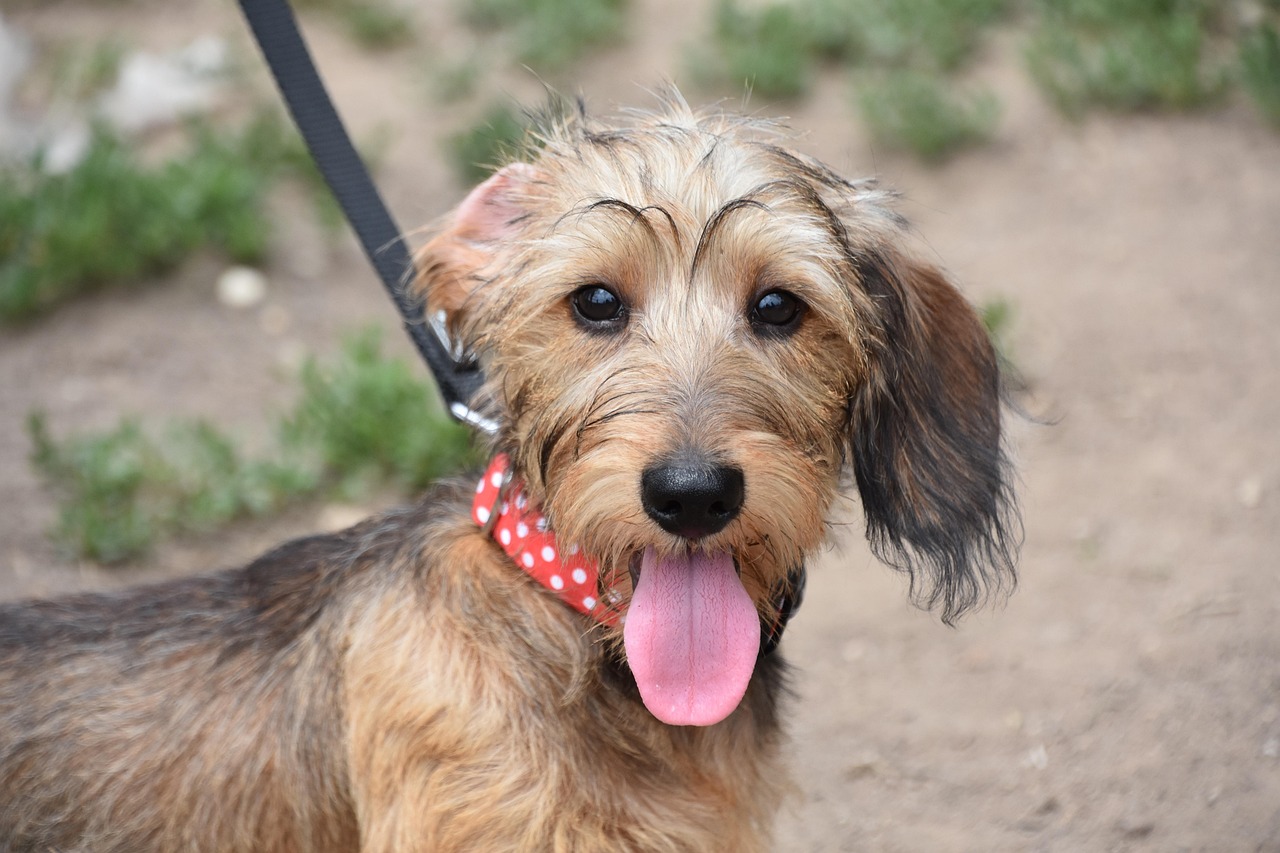
Training your furry friend can be one of the most rewarding experiences for both of you. Not only does it strengthen your bond, but it also ensures your dog is a well-behaved and happy member of the family. The great news is, achieving this doesn’t always require expensive classes or professional trainers. With patience, consistency, and the right approach, you can successfully conduct dog obedience training right in the comfort of your own home. This guide will provide you with all the necessary information and practical tips to embark on this exciting journey.
Understanding the Basics of Dog Obedience Training
Why Train Your Dog at Home?
Choosing to train your dog at home offers a multitude of benefits. It allows for a more personalized approach tailored to your dog’s specific needs and personality. It also saves money on professional training fees and allows you to set your own pace.
- Cost-Effective: Avoid the expense of professional trainers.
- Personalized Approach: Tailor training to your dog’s unique personality and learning style.
- Convenience: Train at your own pace and schedule.
- Stronger Bond: Enhances the relationship between you and your dog through shared learning.
- Reduced Stress: Some dogs are more comfortable learning in a familiar environment, leading to reduced stress during training.
Essential Tools and Supplies
Before you begin, gather the necessary tools to make your training sessions effective and enjoyable. Having these items on hand will streamline the process and keep your dog engaged.
- High-Value Treats: Small, tasty treats that your dog loves, such as bits of cooked chicken, cheese, or specialized dog training treats.
- Clicker (Optional): A clicker can be a useful tool for marking desired behaviors. The consistent sound helps your dog associate the behavior with a reward.
- Leash and Collar/Harness: Essential for teaching leash manners and basic commands like “sit” and “stay.” A well-fitting harness can be more comfortable for some dogs.
- Training Pouch: Keeps treats easily accessible and prevents them from getting greasy in your pockets.
- Designated Training Area: Choose a quiet, distraction-free area in your home for focused training sessions.
Positive Reinforcement: The Key to Success
Positive reinforcement is the most effective and humane way to train your dog. It involves rewarding desired behaviors with treats, praise, or toys, encouraging your dog to repeat those actions.
- Focus on Rewarding Good Behavior: Instead of punishing bad behavior, redirect your dog and reward them when they comply with your commands.
- Timing is Crucial: Deliver the reward immediately after the desired behavior. This helps your dog make a clear association between their action and the reward.
- Consistency is Key: Use the same commands and rewards consistently to avoid confusion.
- Avoid Punishment: Punishment can create fear and anxiety, damaging your relationship with your dog and hindering the learning process.
Teaching Basic Obedience Commands
Sit
The “sit” command is one of the most fundamental and useful commands to teach your dog. It’s a building block for more advanced training.
Stay
The “stay” command teaches your dog impulse control and is useful in various situations.
Come
The “come” command is essential for recall and safety, allowing you to call your dog back to you in various situations.
Down
The “down” command teaches your dog to lie down on cue, which can be useful for calming them in exciting situations.
Addressing Common Training Challenges
Jumping
Jumping is a common behavior, especially in puppies, but it can be undesirable.
- Ignore Jumping: When your dog jumps on you or others, turn your back and ignore them until they stop jumping.
- Reward Calm Greetings: Once they are calm, give them attention and praise.
- Teach an Alternative Behavior: Teach your dog to sit when greeting people. This provides them with a positive outlet for their excitement.
Biting and Nipping
Puppy biting and nipping are often exploratory behaviors, but it’s important to address them early.
- Yelp and Withdraw: If your puppy bites or nips too hard, yelp loudly and withdraw your attention. This mimics how other puppies would react and teaches them bite inhibition.
- Provide Chew Toys: Ensure your puppy has plenty of appropriate chew toys to satisfy their chewing needs.
- Redirect Their Attention: When your puppy starts to nip, redirect their attention to a chew toy or a training exercise.
Leash Pulling
Leash pulling can make walks unpleasant for both you and your dog.
- Stop and Wait: When your dog starts to pull, stop walking and wait for them to stop pulling and release the tension on the leash.
- Change Direction: If your dog pulls, change direction. This teaches them to pay attention to you and follow your lead.
- Reward Loose Leash Walking: Reward your dog with treats and praise when they walk nicely on a loose leash.
- Consider a Front-Clip Harness: These harnesses can help reduce pulling by redirecting your dog’s center of gravity.
Advanced Training and Enrichment
Trick Training
Once your dog has mastered basic obedience commands, you can move on to trick training. This provides mental stimulation and strengthens your bond.
- Shake: Teach your dog to offer their paw on command.
- Roll Over: Guide your dog through the roll over motion with a treat.
- Play Dead: Teach your dog to lie down on their side and remain still on command.
Agility Training at Home
Creating a simple agility course in your backyard can provide excellent exercise and mental stimulation for your dog.
- Jumps: Use PVC pipes or broomsticks to create low jumps.
- Tunnels: Purchase a collapsible tunnel or use a cardboard box with the ends cut off.
- Weave Poles: Use cones or poles to create weave poles for your dog to navigate.
Mental Stimulation and Enrichment
Mental stimulation is just as important as physical exercise for your dog’s well-being.
- Puzzle Toys: Provide puzzle toys that require your dog to solve a problem to access a treat.
- Snuffle Mats: Hide treats in a snuffle mat and let your dog sniff them out.
- Rotation of Toys: Regularly rotate your dog’s toys to keep them engaged and interested.
- New Experiences: Expose your dog to new sights, sounds, and smells to keep their mind sharp.
Conclusion
Dog obedience training at home is a journey that requires patience, consistency, and a positive attitude. By understanding the basics of dog behavior, using positive reinforcement techniques, and addressing common training challenges, you can successfully train your dog and strengthen your bond. Remember to make training sessions fun and engaging, and celebrate your dog’s progress along the way. With dedication and the right approach, you can achieve a well-behaved and happy companion.