

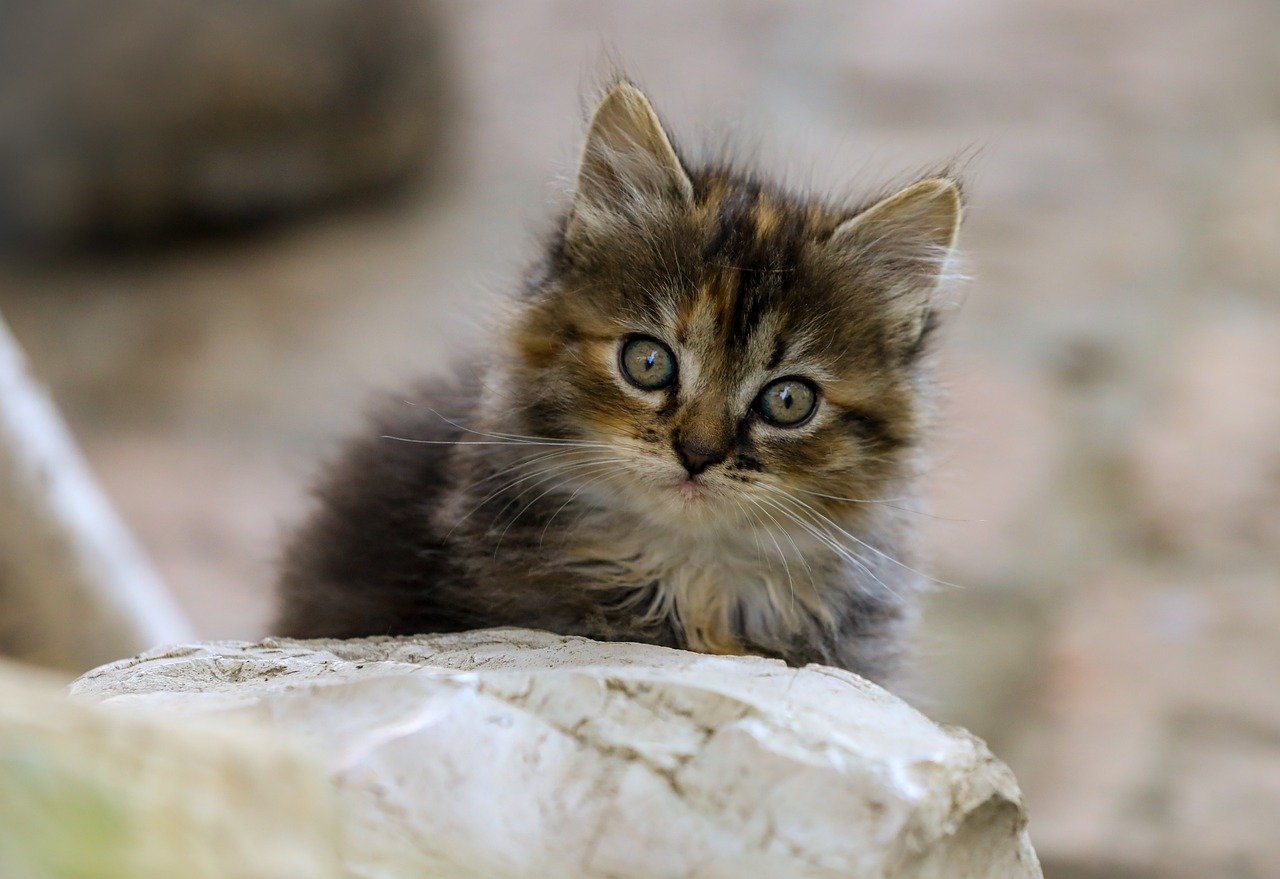
Cats are curious creatures with a strong natural instinct to hunt, pounce, and explore. Keeping them engaged with creative play is essential for their physical and mental well-being, preventing boredom and destructive behaviors. Providing enriching experiences through interactive games and stimulating toys is a great way to bond with your feline friend and ensure they live a happy, healthy life. So, let’s dive into a world of creative cat play ideas to keep your kitty entertained and thriving!
Interactive Play: Engaging Your Cat’s Hunting Instincts
The Magic of Wands and Teasers
Interactive play is all about mimicking the hunt, allowing your cat to stalk, chase, and capture their “prey.” Wands and teasers are fantastic tools for this.
- Types of Wands/Teasers: Feather wands, ribbon wands, laser pointers (use sparingly and never point directly at the eyes!), fishing pole toys, and toys with crinkly materials.
- How to Play: Move the wand erratically, mimicking the movements of a small animal. Hide it behind furniture, let your cat stalk it, and then allow them to “catch” it occasionally.
- Benefits: Promotes exercise, satisfies hunting instincts, strengthens the bond between you and your cat, and provides mental stimulation. Remember to let your cat “win” sometimes; constantly denying them the catch can lead to frustration.
Puzzle Feeders: Mental Stimulation and Food
Puzzle feeders combine playtime with mealtime, engaging your cat’s problem-solving skills and slowing down their eating.
- Types of Puzzle Feeders: Rolling treat balls, feeders with sliding compartments, and interactive mats with hidden compartments.
- How to Use: Fill the puzzle feeder with your cat’s dry food or small treats. Show them how it works initially, then let them figure it out. Increase the difficulty as they become more proficient.
- Benefits: Prevents boredom, reduces anxiety related to food (especially in multi-cat households), slows down eating, and provides mental exercise. According to a study published in the Journal of Feline Medicine and Surgery, puzzle feeders can significantly reduce problem behaviors in indoor cats.
Environmental Enrichment: Creating a Cat-Friendly Space
Cat Trees and Climbing Structures
Cats love to climb and observe their surroundings from a high vantage point. Providing vertical space is crucial for their well-being.
- Types of Structures: Multi-level cat trees, shelves mounted on walls, window perches, and even strategically placed furniture.
- Placement Tips: Place cat trees near windows so your cat can watch birds and other outdoor activity. Ensure the structure is stable and secure.
- Benefits: Allows cats to fulfill their natural climbing instincts, provides a safe space to retreat, offers a stimulating environment, and can reduce stress and anxiety.
Creating a Sensory Garden Indoors
Stimulating your cat’s senses can provide hours of entertainment.
- Plants to Include: Catnip, cat grass, valerian, and wheatgrass. Important: Make sure any plants you introduce are non-toxic to cats!
- How to Set Up: Place the plants in a designated area, preferably one with good sunlight. Provide a shallow dish of water for your cat to drink from.
- Benefits: Stimulates the senses of smell, taste, and touch, encourages natural behaviors like grazing, and can provide a calming effect. Catnip, for example, contains nepetalactone, which binds to olfactory receptors and triggers a euphoric response in many cats.
DIY Cat Toys: Unleash Your Creativity
Cardboard Box Fun
Cardboard boxes are a simple yet effective way to entertain your cat.
- Simple Box: Leave an empty box on the floor and watch your cat explore it.
- Fortress: Create a cardboard box fortress by taping multiple boxes together, adding tunnels and holes.
- Benefits: Provides a safe space, satisfies curiosity, encourages exploration, and is completely free! Cats are drawn to enclosed spaces, as they offer security and warmth.
Sock Toys and Fabric Scraps
Turn old socks and fabric scraps into engaging toys.
- Sock Mouse: Fill an old sock with catnip, rice (for added weight and sound), or crinkled paper. Tie off the end to create a mouse shape.
- Fabric Teaser: Tie fabric strips to a string or dowel to create a simple teaser toy.
- Benefits: Repurposes materials, provides a stimulating texture, satisfies hunting instincts, and is a cost-effective way to create new toys.
Rotating Toys and Activities: Keeping it Fresh
The Importance of Variety
Cats can get bored with the same toys and activities. Regularly rotating their toys keeps them engaged and prevents them from becoming desensitized.
- How to Rotate: Put away some toys for a few weeks, then reintroduce them as if they are brand new.
- Introduce New Activities: Try new games, explore different types of toys, or rearrange their environment to create a fresh perspective.
- Benefits: Prevents boredom, keeps your cat mentally stimulated, encourages exploration, and prolongs the lifespan of their favorite toys.
Observe and Adapt
Pay attention to your cat’s preferences. Do they prefer chasing toys, batting at them, or wrestling with them? Tailor their play environment to their individual needs and preferences.
- Consider their Age and Energy Levels: Kittens need more active play, while older cats may prefer more gentle activities.
- Pay Attention to Body Language: A relaxed posture, dilated pupils (during play), and a playful tail twitch are all signs that your cat is enjoying themselves. If they seem stressed or uninterested, stop the activity and try something else.
- Benefits: Ensures your cat’s needs are met, strengthens your bond, and creates a positive and enriching play experience.
Conclusion
Providing creative play opportunities for your cat is crucial for their overall well-being. By engaging their hunting instincts, stimulating their senses, and providing a dynamic environment, you can ensure your feline friend lives a happy, healthy, and fulfilled life. Remember to observe your cat’s preferences, rotate toys regularly, and most importantly, have fun!