

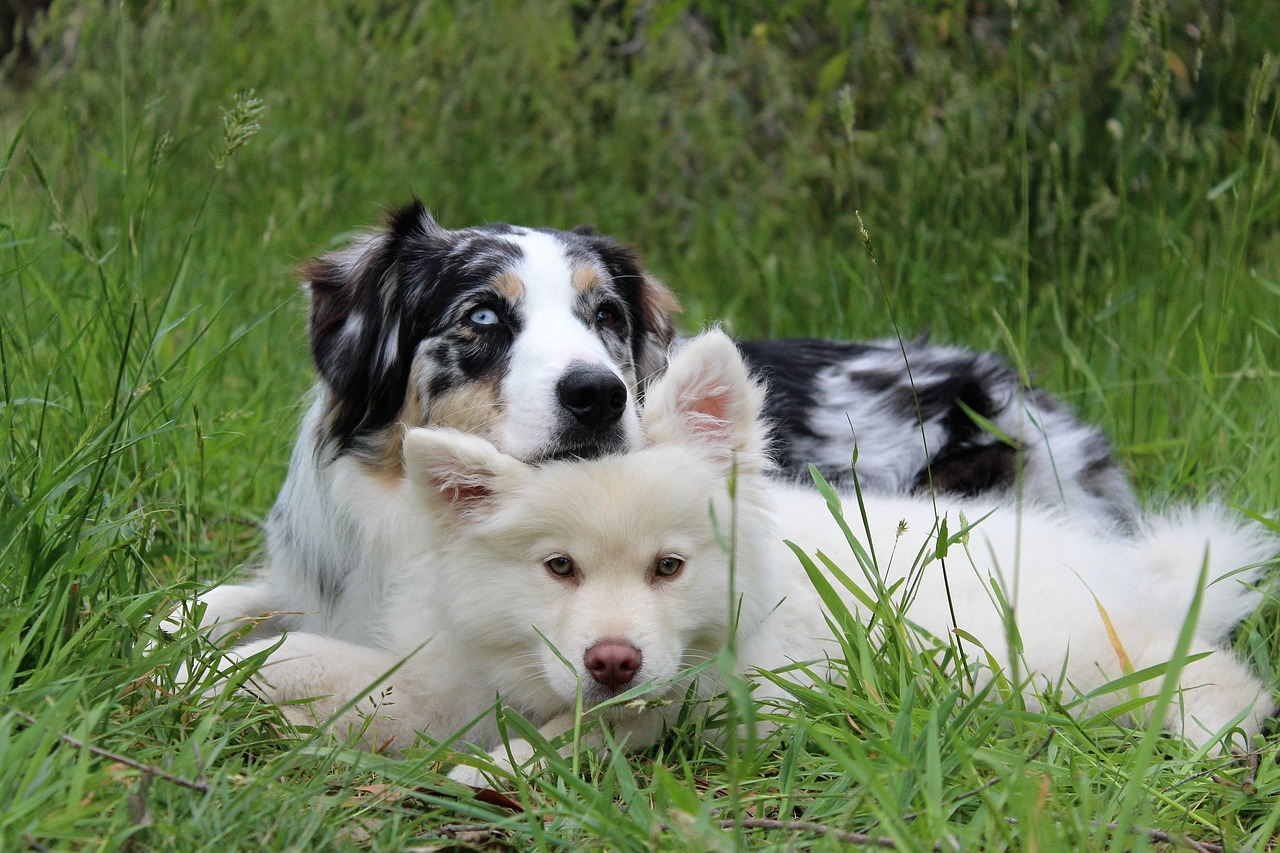
Impulse control is a crucial skill for dogs, impacting their safety, behavior, and overall well-being. A dog lacking impulse control might dart into traffic, jump on guests, or snatch food off the counter. But with consistent training and patience, you can help your furry friend develop self-control and become a well-mannered companion. This blog post will guide you through the essential aspects of dog impulse control training, providing practical tips and techniques to help you and your dog succeed.
Understanding Dog Impulse Control
What is Impulse Control?
Impulse control, in simple terms, is a dog’s ability to resist immediate urges or desires. It’s about teaching them to think before they act, even when faced with exciting or tempting stimuli. This isn’t about suppressing their natural instincts, but rather about channeling them appropriately.
- It allows a dog to make better decisions in challenging situations.
- It reduces the likelihood of unwanted behaviors such as barking excessively or chasing cars.
- It strengthens the bond between you and your dog through clear communication and consistent training.
Why is Impulse Control Important?
A dog with good impulse control is a safer, happier, and more well-adjusted dog. It translates into:
- Safety: Prevents dangerous behaviors like running into the street or approaching aggressive dogs.
- Good Manners: Reduces jumping, barking, and other unwanted behaviors in social situations.
- Reduced Anxiety: Helps dogs stay calm and focused in distracting environments.
- Enhanced Trainability: Makes learning new commands easier and more effective. Studies show that dogs with better impulse control are quicker to learn and retain new information.
Essential Impulse Control Exercises
“Wait” or “Stay”
The “Wait” or “Stay” command is the cornerstone of impulse control training. It teaches your dog to pause and listen before proceeding.
- How to Teach It: Start by having your dog sit or lie down. Hold your hand up and say “Wait” or “Stay” in a firm but calm voice. Begin with short durations (a few seconds) and gradually increase the time as your dog progresses. Reward them handsomely for staying put. If they break the “Wait,” gently redirect them back to the starting position and try again.
- Real-World Application: Use “Wait” before opening doors, serving meals, or letting your dog out of the car. This prevents them from bolting or rushing into potentially dangerous situations.
“Leave It”
“Leave It” teaches your dog to ignore tempting objects, preventing them from picking up harmful or inappropriate items.
- How to Teach It: Place a treat in your hand and close your fist. Show it to your dog and say “Leave It.” They will likely sniff or paw at your hand. Ignore these attempts and only open your hand and give them a different, higher-value treat when they stop trying to get the first treat. Repeat this process, gradually increasing the temptation of the initial treat. Eventually, you can progress to placing the treat on the floor, covering it with your hand, and saying “Leave It.”
- Real-World Application: This command is invaluable for preventing your dog from eating dangerous objects on walks, such as discarded food or potentially poisonous substances.
Impulse Control Games
Making training fun is key to keeping your dog engaged and motivated. Incorporate games that reinforce impulse control.
- “It’s Yer Choice”: Place a treat on the floor in front of your dog. Allow them to sniff it but prevent them from taking it. The moment they look away from the treat, mark the behavior with a “Yes” or clicker and reward them with a different treat from your hand. This teaches them that ignoring the tempting treat leads to a better reward.
- “Red Light, Green Light”: Practice recall in a controlled environment. Call your dog to you, and randomly say “Red Light” (stop) or “Green Light” (continue). Reward them for stopping immediately when you say “Red Light.” This reinforces their ability to follow your commands even when excited.
Maintaining Consistency and Patience
The Importance of Consistency
Consistency is paramount for successful impulse control training.
- Use consistent commands: Always use the same words and hand signals for each command.
- Practice regularly: Short, frequent training sessions (5-10 minutes) are more effective than long, infrequent ones. Aim for daily practice.
- Enforce rules consistently: Apply the rules in all situations, not just during training sessions. For example, if your dog is not allowed on the couch, enforce this rule consistently.
The Value of Positive Reinforcement
Positive reinforcement focuses on rewarding desired behaviors rather than punishing unwanted ones.
- Use treats, praise, or toys: Find what motivates your dog and use it as a reward.
- Mark desired behaviors: Use a clicker or a verbal marker like “Yes” to instantly mark the precise moment your dog performs the desired action.
- Avoid punishment: Punishment can create fear and anxiety, hindering learning and damaging your relationship with your dog.
Patience and Realistic Expectations
Remember that impulse control is a learned skill, and it takes time and patience to develop.
- Start slowly: Begin with simple exercises in quiet environments and gradually increase the difficulty and distractions.
- Be patient: Don’t get discouraged if your dog doesn’t master a command immediately.
- Celebrate small victories: Acknowledge and reward every step forward, no matter how small.
Addressing Specific Challenges
Dealing with High-Energy Dogs
High-energy dogs often struggle with impulse control. It’s crucial to provide them with sufficient physical and mental stimulation.
- Daily exercise: Ensure your dog gets adequate exercise through walks, runs, playtime, or other activities.
- Mental enrichment: Provide puzzle toys, training games, and other activities to keep their minds engaged.
- Consider professional help: If you’re struggling to manage your dog’s energy levels, consult with a certified dog trainer or behaviorist.
Managing Distractions
Distractions can significantly impact your dog’s ability to focus and control their impulses.
- Start in a quiet environment: Begin training in a distraction-free zone, such as your home.
- Gradually introduce distractions: As your dog progresses, slowly introduce distractions like other people, animals, or noises.
- Use high-value rewards: Use extra-tempting treats or toys to keep your dog motivated in distracting environments.
Conclusion
Impulse control training is a vital investment in your dog’s well-being and your relationship with them. By understanding the principles of impulse control, implementing effective exercises, and maintaining consistency and patience, you can help your dog develop the self-control they need to thrive. Remember to tailor your training approach to your dog’s individual needs and consult with a professional if you encounter any challenges. With dedication and positive reinforcement, you can transform your impulsive pup into a well-behaved and happy companion.