

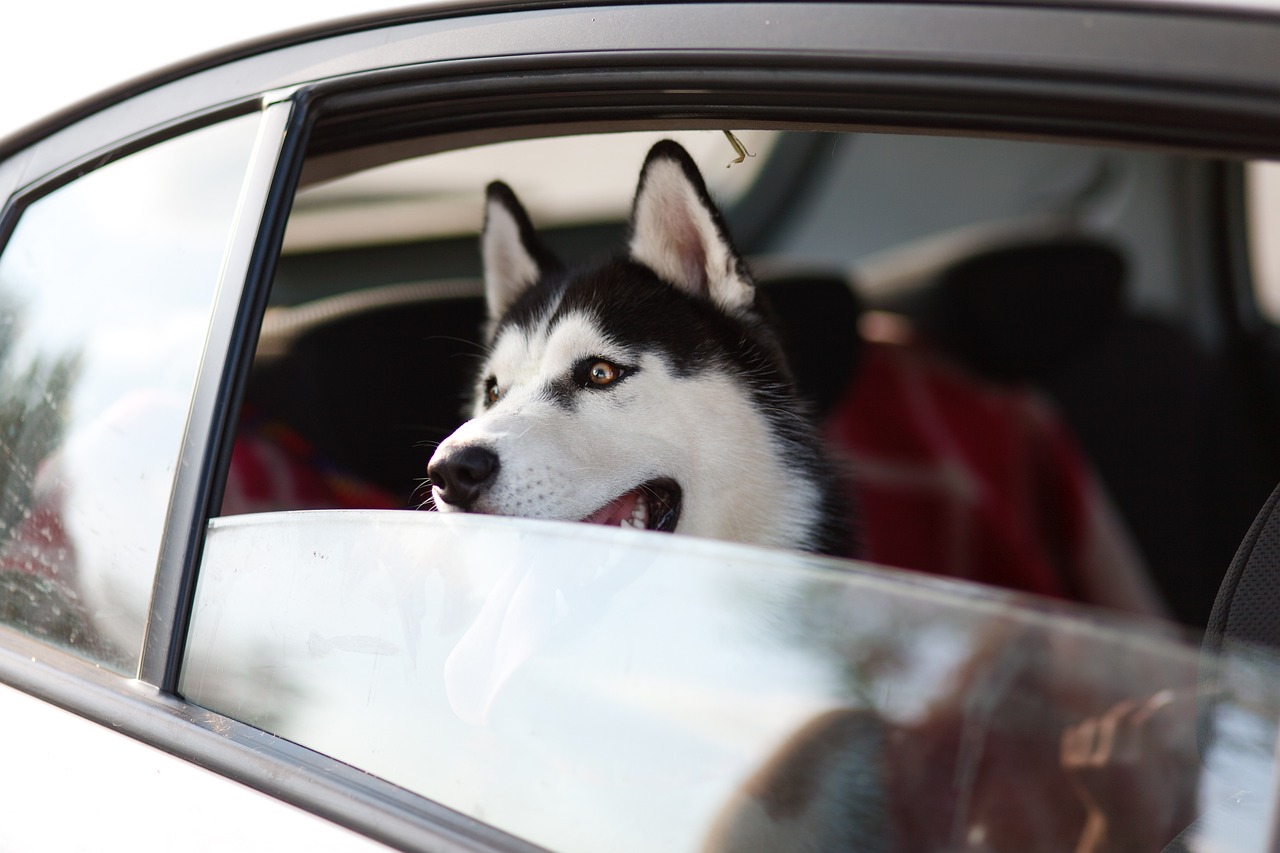
Spending time outdoors with your beloved pet is a fantastic way to bond, provide exercise, and stimulate their senses. Whether you have a dog, cat, or even a rabbit, incorporating outdoor playtime into their routine can significantly improve their physical and mental well-being. But before you unleash the fun, it’s crucial to ensure their safety and make the most of your outdoor adventures. This guide provides comprehensive tips for safe and enjoyable outdoor play with your furry, scaled, or feathered friend.
Preparing for Outdoor Play: Safety First
Before heading outside, a little preparation goes a long way in ensuring a safe and enjoyable experience for both you and your pet. Taking preventative measures reduces the risk of accidents and discomfort.
Pet-Proofing Your Outdoor Space
Just like you child-proof your home, pet-proofing your yard is essential. Consider these points:
- Secure Fencing: Ensure your fence is sturdy, tall enough, and free of gaps. Dogs, especially, can be escape artists. Statistics show that approximately 10 million pets go missing each year, many due to inadequate fencing.
- Remove Toxic Plants: Many common garden plants are poisonous to pets. Lilies, azaleas, rhododendrons, and daffodils are just a few examples. Research thoroughly and remove any potentially harmful plants. The ASPCA website has a comprehensive list of toxic and non-toxic plants.
- Pest Control: Be cautious with pesticides, herbicides, and fertilizers. Opt for pet-safe alternatives or keep your pet away from treated areas until they are completely dry.
- Standing Water: Eliminate standing water sources, as they can attract mosquitoes and become breeding grounds for bacteria.
Essential Gear and Supplies
Having the right equipment on hand will make your outdoor playtime safer and more convenient:
- Leash and Harness/Collar: A secure leash is a must, especially in unenclosed areas. Opt for a comfortable harness or collar with proper identification tags. Microchipping is also highly recommended.
- Water and Bowl: Hydration is crucial, especially during warmer months. Bring a portable water bowl and fresh water to prevent dehydration.
- Waste Bags: Always clean up after your pet. It’s not only responsible but also often legally required.
- First-Aid Kit: A basic first-aid kit for pets should include antiseptic wipes, bandages, gauze, tweezers, and any medication your pet requires.
- Sunscreen (for certain pets): Light-skinned or short-haired pets are susceptible to sunburn. Use a pet-safe sunscreen on exposed areas like the nose and ears.
Engaging Activities for Different Pets
Outdoor play isn’t just about letting your pet roam freely. Engaging them in activities suited to their species and personality provides mental stimulation and strengthens your bond.
Fun Activities for Dogs
Dogs thrive on physical activity and mental challenges.
- Fetch: A classic for a reason! Fetch is a great way to burn energy and practice recall. Use a ball, frisbee, or other durable toy.
- Agility Training: Set up a simple agility course in your backyard using cones, tunnels, and jumps. This is a fantastic way to improve coordination and build confidence.
- Sniffing Games: Hide treats or toys in the yard and let your dog use their nose to find them. This provides excellent mental stimulation.
- Walks and Hikes: Explore local trails and parks. Remember to keep your dog on a leash in designated areas and be mindful of other trail users.
Enriching Experiences for Cats
While often perceived as indoor creatures, cats can also enjoy supervised outdoor time.
- Catio: A catio is an enclosed outdoor space that allows cats to enjoy the fresh air and sunshine safely.
- Leash Training: Believe it or not, cats can be leash-trained! Start indoors and gradually introduce them to the outdoors with a harness and leash.
- Bubble Chasing: Many cats love to chase bubbles. This is a fun and safe way to provide exercise and entertainment.
- Outdoor Toys: Provide a variety of toys, such as balls, feather wands, and scratching posts, to keep your cat engaged.
Outdoor Adventures for Other Pets (Rabbits, Guinea Pigs, etc.)
Smaller pets like rabbits and guinea pigs can also benefit from outdoor time, with proper precautions.
- Secure Enclosure: Always supervise your pet in a secure enclosure to protect them from predators and prevent escape. A wire-bottomed cage should be avoided to prevent sore hocks, opt for a solid base with soft bedding.
- Shade and Water: Provide plenty of shade and fresh water to prevent overheating.
- Foraging Opportunities: Offer fresh grass and safe vegetables for them to graze on. Ensure these plants haven’t been treated with chemicals.
- Avoid Extreme Temperatures: Only allow outdoor time when the weather is mild. Avoid hot afternoons and cold evenings.
Protecting Your Pet from Environmental Hazards
The great outdoors can pose several risks to your pet’s health. Awareness and preventative measures are key.
Heatstroke and Sunburn
Pets, especially those with thick fur or short snouts, are susceptible to heatstroke.
- Avoid Peak Heat: Limit outdoor activity during the hottest part of the day (usually between 10 am and 4 pm).
- Provide Shade and Water: Ensure your pet has access to shade and plenty of fresh water.
- Recognize the Signs: Symptoms of heatstroke include excessive panting, drooling, vomiting, and collapse. If you suspect heatstroke, move your pet to a cool place, offer water, and seek veterinary attention immediately.
- Sunscreen: Apply pet-safe sunscreen to exposed areas like the nose, ears, and belly of light-skinned pets.
Ticks, Fleas, and Mosquitoes
These pests can transmit diseases and cause discomfort.
- Preventative Medications: Talk to your veterinarian about preventative medications for ticks, fleas, and heartworm (transmitted by mosquitoes).
- Regular Checks: Check your pet for ticks after every outdoor adventure, especially in wooded areas.
- Flea and Tick Control in Your Yard: Consider using pet-safe flea and tick control products in your yard to reduce the pest population.
Other Potential Hazards
Be aware of other potential dangers:
- Poisonous Plants: Learn to identify poisonous plants and keep your pet away from them.
- Wildlife: Keep a safe distance from wildlife, such as squirrels, raccoons, and snakes.
- Sharp Objects: Be mindful of sharp objects like glass, metal, and thorns.
- Water Hazards: If you’re near water, be aware of strong currents and potential drowning hazards.
Training and Socialization
Outdoor playtime is an excellent opportunity to reinforce training and socialize your pet.
Basic Obedience
Practice basic commands like “sit,” “stay,” “come,” and “leave it” during outdoor walks and playtime. This will improve your pet’s responsiveness and make outdoor adventures safer.
- Positive Reinforcement: Use positive reinforcement techniques, such as treats and praise, to reward good behavior.
- Short Sessions: Keep training sessions short and engaging to maintain your pet’s attention.
Socialization with Other Animals and People
Exposing your pet to different people and animals in a controlled environment can help them develop into well-adjusted adults.
- Controlled Interactions: Supervise interactions with other animals and people closely.
- Positive Experiences: Ensure that all interactions are positive and non-threatening.
- Gradual Exposure: Gradually expose your pet to new environments and situations.
Conclusion
Incorporating outdoor play into your pet’s routine is beneficial for their physical and mental health. By preparing your outdoor space, providing engaging activities, protecting them from environmental hazards, and utilizing outdoor time for training and socialization, you can create lasting memories and strengthen the bond with your furry, scaly, or feathered companion. Always prioritize their safety and comfort, and remember to adjust your activities based on their individual needs and abilities. So, get out there and enjoy the sunshine with your pet!