

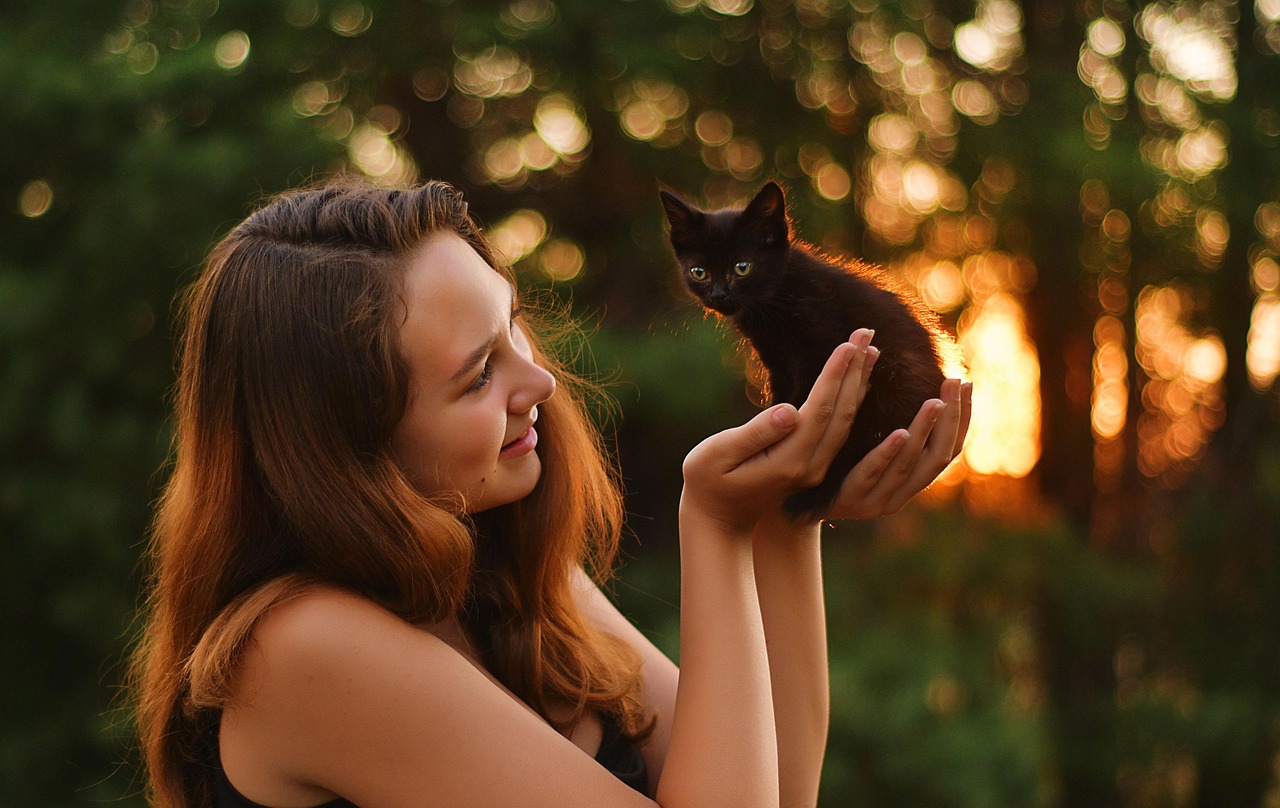
The holidays are a time for joy, celebration, and spending quality time with loved ones. But amidst the festive cheer, it’s easy to overlook the needs of our furry, feathered, or scaled family members. From bustling travel plans to tempting treats, the holiday season presents unique challenges to pet safety and well-being. This comprehensive guide offers essential holiday pet care tips to ensure your pets are happy, healthy, and safe throughout the festivities.
Travel Tips for Pets During the Holidays
Traveling during the holidays can be stressful for both you and your pets. Careful planning is essential to minimize anxiety and ensure a smooth journey. Whether you’re traveling by car, plane, or train, these tips will help keep your pet comfortable and safe.
Planning Ahead for Pet Travel
- Research airline or accommodation pet policies: Each airline and hotel has specific rules about pet travel, including size restrictions, breed restrictions, and required documentation. Check well in advance to avoid last-minute surprises. For example, most airlines require pets to travel in airline-approved carriers.
- Book pet-friendly accommodations: Not all hotels accept pets, and those that do may have restrictions on the size or type of animal allowed. Websites like BringFido can help you find pet-friendly hotels, rentals, and activities.
- Ensure up-to-date vaccinations and health records: Carry a copy of your pet’s vaccination records and health certificate, especially if you’re crossing state lines or traveling internationally. Some destinations require specific vaccinations or health screenings.
- Microchip and ID Tag Verification: Ensure your pet has a microchip and wears a collar with an ID tag that includes your current contact information. This is crucial in case your pet gets lost during travel.
- Pack a Pet Travel Kit: Prepare a kit containing food, water, bowls, leash, waste bags, medications, first-aid supplies, and familiar toys or blankets to provide comfort.
Safe Car Travel with Pets
- Use a pet carrier or seat belt: Never allow your pet to roam freely in the car. Secure them in a carrier or with a pet seat belt to prevent distractions and injuries in case of an accident.
- Make frequent stops: Allow your pet to stretch their legs, drink water, and relieve themselves every few hours.
- Never leave your pet unattended in a parked car: Even on a mild day, temperatures inside a parked car can quickly rise to dangerous levels, leading to heatstroke. In winter, the opposite is true; your pet can quickly succumb to hypothermia.
- Acclimatize your pet to car rides: Before a long trip, take your pet on short car rides to help them get used to the motion and reduce anxiety.
Air Travel Considerations
- Consider the pet’s temperament and health: Air travel can be stressful for pets, especially those with anxiety or underlying health conditions. Consult with your veterinarian to determine if air travel is the best option for your pet.
- Choose a direct flight: Direct flights minimize the risk of delays, layovers, and potential exposure to extreme temperatures during baggage handling.
- Acclimate Your Pet to the Carrier: Several weeks before traveling, get your pet used to the carrier by feeding them in it and allowing them to nap inside.
Holiday Food Safety for Pets
The holidays are synonymous with delicious food, but many festive treats can be harmful or even toxic to pets. It’s important to be vigilant about what your pets ingest during this time.
Foods to Avoid
- Chocolate: Chocolate contains theobromine, which is toxic to dogs and cats. Dark chocolate is more toxic than milk chocolate. Ingestion can cause vomiting, diarrhea, hyperactivity, and even death.
- Grapes and Raisins: These can cause kidney failure in dogs. The exact toxic mechanism is unknown, but even small amounts can be harmful.
- Onions and Garlic: These contain compounds that can damage red blood cells in dogs and cats, leading to anemia. This includes raw, cooked, or powdered forms of these plants.
- Alcohol: Alcoholic beverages are toxic to pets and can cause central nervous system depression, respiratory failure, and death.
- Xylitol: This artificial sweetener, commonly found in sugar-free candies and gum, is highly toxic to dogs. It can cause a rapid drop in blood sugar, leading to seizures and liver failure.
- Cooked Bones: Cooked bones can splinter and cause damage to the digestive tract, leading to perforations or obstructions.
Safe Treat Alternatives
- Offer pet-safe treats: Provide your pets with commercially available holiday-themed treats that are specifically formulated for their needs.
- Prepare homemade treats: Make your own pet-friendly treats using ingredients like pumpkin, sweet potato, and oats.
- Monitor Guest Interactions: Encourage guests to refrain from feeding your pets table scraps. Politely but firmly communicate the dangers of certain foods to ensure everyone is on the same page.
- Keep Tempting Items Out of Reach: Store food and beverages securely away from your pet’s reach. Use closed containers and high shelves to prevent accidental ingestion.
- Educate Guests: Inform your holiday guests about the foods that are dangerous for pets. A simple sign or verbal reminder can help prevent accidental ingestion of harmful items.
What to Do If Your Pet Eats Something Toxic
- Contact your veterinarian immediately: If you suspect your pet has ingested a toxic substance, contact your veterinarian or the ASPCA Animal Poison Control Center (888-426-4435) immediately.
- Provide information: Be prepared to provide information about the substance ingested, the amount ingested, and your pet’s weight and symptoms.
- Follow instructions: Follow your veterinarian’s instructions carefully. Do not induce vomiting unless instructed to do so.
Managing Holiday Stress for Your Pet
The holiday season can be overwhelming for pets due to changes in routine, loud noises, and unfamiliar visitors. Recognizing and managing stress is vital for their well-being.
Recognizing Signs of Stress in Pets
- Changes in appetite: Loss of appetite or excessive eating.
- Increased vocalization: Excessive barking, meowing, or whining.
- Hiding or withdrawal: Seeking isolation or avoiding social interaction.
- Destructive behavior: Chewing, scratching, or digging.
- Changes in elimination habits: Accidents in the house or changes in litter box use.
- Pacing or restlessness: Inability to settle down or relax.
- Excessive grooming: Over-licking or chewing on fur.
Creating a Calm Environment
- Provide a safe space: Designate a quiet and comfortable space where your pet can retreat when feeling overwhelmed. This could be a crate, a bed in a quiet room, or a favorite blanket.
- Maintain a routine: Stick to your pet’s regular feeding, walking, and playtime schedule as much as possible. Routine helps to provide a sense of security and predictability.
- Use calming aids: Consider using calming aids such as pheromone diffusers (e.g., Adaptil for dogs, Feliway for cats), calming supplements, or anxiety-reducing vests.
- Limit exposure to stressors: If possible, limit your pet’s exposure to loud noises, crowds, and unfamiliar visitors.
- Provide mental stimulation: Keep your pet entertained with puzzle toys, interactive games, and enrichment activities to redirect their energy and reduce stress.
- Manage Visitor Interactions: Monitor how guests interact with your pet. If your pet shows signs of discomfort, gently guide guests to give your pet space.
Dealing with Fireworks and Loud Noises
- Create a safe haven: Keep your pet indoors in a quiet, secure room during fireworks displays or loud parties.
- Mask the noise: Turn on the television, radio, or a white noise machine to help mask the sound of fireworks or other loud noises.
- Stay calm: Your pet can sense your anxiety, so try to remain calm and reassuring.
- Consult with your veterinarian: If your pet has severe anxiety, talk to your veterinarian about medication or other treatment options to help them cope with stressful situations.
Holiday Decorations and Pet Safety
Holiday decorations add festive cheer to your home, but they can also pose hazards to curious pets. Taking precautions can prevent accidents and injuries.
Common Decoration Hazards
- Tinsel: Cats are particularly drawn to tinsel, but swallowing it can cause intestinal blockages, requiring surgery.
- Ornaments: Broken ornaments can cause cuts and injuries, and swallowing small pieces can lead to intestinal obstruction. Glass ornaments pose the highest risk.
- Lights: Chewing on electrical cords can cause shocks or burns. Entanglement in light strands can also lead to injuries.
- Holiday Plants: Poinsettias, mistletoe, holly, and lilies are toxic to pets. Keep them out of reach or choose pet-safe alternatives.
- Ribbons and Wrapping Paper: These can cause intestinal blockages if ingested.
Tips for Pet-Proofing Your Home
- Secure the Christmas tree: Anchor your Christmas tree to the wall or ceiling to prevent it from toppling over if your pet climbs or bumps into it.
- Choose pet-safe decorations: Opt for shatterproof ornaments made of materials like fabric, wood, or plastic. Avoid using tinsel altogether.
- Conceal electrical cords: Use cord protectors or tape cords to baseboards to prevent pets from chewing on them.
- Keep toxic plants out of reach: Place holiday plants on high shelves or in rooms that your pet cannot access.
- Supervise your pet: Monitor your pet’s interactions with decorations and intervene if they start chewing or playing with hazardous items.
- Regularly clean up fallen debris: Vacuum or sweep regularly to remove fallen needles, broken ornaments, and other debris that could be ingested by your pet.
Conclusion
By taking proactive steps to ensure your pet’s safety and well-being, you can enjoy a joyful and stress-free holiday season together. Remember to prioritize their needs, provide a safe environment, and be mindful of potential hazards. With a little planning and attention, you can make this holiday season a happy one for your entire family, including your beloved pets.