

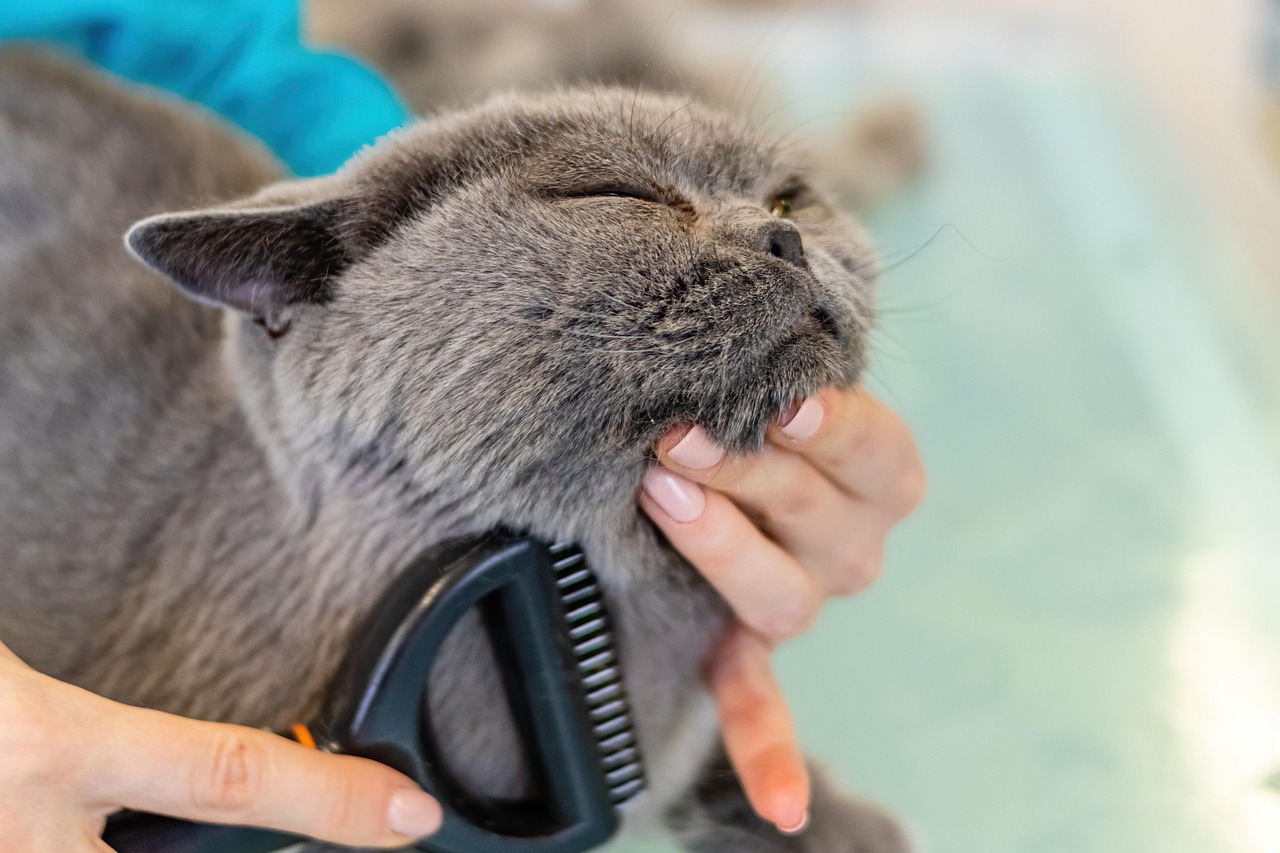
Accidents happen, and when they involve our beloved pets, it’s crucial to be prepared. Knowing basic pet first aid can make the difference between a manageable situation and a life-threatening emergency. This comprehensive guide will equip you with the essential skills and knowledge needed to provide immediate care for your furry, feathered, or scaled companions until professional veterinary help is available.
Building Your Pet First Aid Kit
Being prepared starts with having the right tools. A well-stocked pet first aid kit is essential for handling emergencies at home or on the go.
Essential Items for Your Kit
- Gauze Pads and Bandages: Essential for wound care. Opt for sterile non-stick pads.
- Medical Tape: Secure bandages and dressings.
- Antiseptic Wipes or Solution: For cleaning wounds. Chlorhexidine solution is a good choice, diluted appropriately.
- Hydrogen Peroxide (3%): Can be used to induce vomiting in some cases, but only under veterinary guidance.
- Digital Thermometer: Rectal thermometers are most accurate for pets.
- Petroleum Jelly: For lubricating the thermometer.
- Tweezers: For removing splinters or debris.
- Scissors: Blunt-nosed scissors are ideal for cutting bandages.
- Clean Towels: For restraining, cleaning, and providing warmth.
- Saline Solution: For flushing eyes.
- Latex or Non-Latex Gloves: Protect yourself from contamination.
- Muzzle or Soft Restraint: Even the friendliest pet may bite when in pain.
- Pet Carrier: For safe transportation to the vet.
- Emergency Contact Information: Your vet’s number, local emergency animal hospital, and poison control hotline.
- Benadryl (Diphenhydramine): Useful for mild allergic reactions (dosage should be confirmed by your vet beforehand).
- Practical Example: Assemble your kit and store it in a readily accessible location, such as your car or kitchen. Check the expiration dates of all items regularly and replenish as needed. Consider creating a small, portable version for hikes or travel.
Where to Store Your Kit
- Choose a cool, dry place away from direct sunlight.
- Keep it out of reach of children and pets.
- Ensure everyone in the household knows where the kit is located.
Recognizing Common Pet Emergencies
Early detection is key to successful pet first aid. Knowing the signs of common emergencies will allow you to react quickly and appropriately.
Signs of a Pet Emergency
- Difficulty Breathing: Wheezing, gasping, or rapid, shallow breaths.
- Severe Bleeding: Uncontrolled blood loss from a wound.
- Loss of Consciousness: Unresponsiveness to stimuli.
- Seizures: Uncontrolled muscle spasms or convulsions.
- Poisoning: Vomiting, diarrhea, tremors, or drooling.
- Sudden Weakness or Collapse: Inability to stand or walk normally.
- Trauma: Injury from a car accident, fall, or bite.
- Distended Abdomen: Especially in large-breed dogs, may indicate bloat (GDV).
- Eye Injuries: Redness, swelling, discharge, or squinting.
- Practical Example: Your dog is suddenly limping and refuses to put weight on its leg. This could indicate a fracture, sprain, or dislocation, requiring immediate veterinary attention. Do not attempt to diagnose or treat the injury yourself. Stabilize the leg as best as possible and transport your pet to the nearest vet.
Taking Your Pet’s Vital Signs
Understanding your pet’s normal vital signs helps you assess if something is wrong.
- Temperature: Normal rectal temperature for dogs and cats is 100.0 to 102.5°F (37.8 to 39.2°C).
- Heart Rate:
Dogs: 60-140 beats per minute (smaller breeds tend to have faster heart rates).
Cats: 140-220 beats per minute.
- Respiratory Rate:
Dogs: 12-20 breaths per minute.
Cats: 20-30 breaths per minute.
- Capillary Refill Time (CRT): Press your finger on their gums until they turn white, then release. The color should return to pink in less than 2 seconds.
- Actionable Takeaway: Practice taking your pet’s vital signs when they are healthy so you know what is normal for them. Keep a record of these normal values for quick reference during an emergency.
Providing First Aid for Common Pet Injuries
Knowing how to handle common injuries is crucial until you can get your pet to a veterinarian.
Wound Care
- Control Bleeding: Apply direct pressure to the wound with a clean cloth. If the bleeding is severe, use a tourniquet above the wound (if on a limb) and seek immediate veterinary care.
- Clean the Wound: Gently flush the wound with saline solution or diluted antiseptic solution.
- Apply a Bandage: Cover the wound with a sterile, non-stick pad and secure it with medical tape. Change the bandage daily or as needed.
- Prevent Licking: An Elizabethan collar (cone) can prevent your pet from licking and further irritating the wound.
Choking
- Check the Mouth: Carefully open your pet’s mouth and look for any obstructions. If you see something, try to remove it with your fingers or tweezers. Be careful not to push it further down.
- Heimlich Maneuver:
For Dogs: If the obstruction can’t be removed, lift the dog by its hind legs or, for larger dogs, place your arms around its abdomen and give a quick, upward thrust.
For Cats: Hold the cat upside down and gently thrust upwards just below the rib cage.
- CPR: If the pet is unconscious, start CPR immediately.
Burns
- Cool the Burn: Immediately run cool water over the burned area for several minutes.
- Apply a Cold Compress: Use a cold compress or ice pack wrapped in a towel to reduce swelling and pain.
- Protect the Burn: Cover the burn with a sterile, non-stick bandage.
- Seek Veterinary Care: All burns should be evaluated by a veterinarian, as they can be prone to infection.
Poisoning
- Identify the Poison: Knowing what your pet ingested is critical for treatment.
- Contact Your Veterinarian or Poison Control: They can provide guidance on whether to induce vomiting or administer other treatments. Do not induce vomiting unless specifically instructed to do so.
- Bring the Product Label: Take the container or label of the suspected poison with you to the vet.
- Important Note: Never induce vomiting in pets that are unconscious, having difficulty breathing, or have ingested corrosive substances (e.g., bleach, drain cleaner).
CPR for Pets
Cardiopulmonary resuscitation (CPR) can be life-saving if your pet stops breathing or its heart stops beating. Knowing the basic steps of CPR can significantly increase your pet’s chances of survival.
Assessing the Situation
- Check for Breathing: Look for chest movement or listen for breath sounds.
- Check for a Pulse: Feel for a pulse on the inside of the hind leg (femoral artery).
- If No Breathing or Pulse: Begin CPR immediately.
Performing CPR
- Clear the Airway: Gently extend the pet’s neck and pull the tongue forward. Remove any visible obstructions.
- Mouth-to-Snout Resuscitation:
Close the pet’s mouth and cover its nose with your mouth, creating a seal.
Give two breaths, watching for the chest to rise.
For small animals, use gentle puffs; for larger animals, use full breaths.
- Chest Compressions:
Place your hands on the chest, just behind the elbow.
Compress the chest 1-1.5 inches (depending on the size of the pet) at a rate of 100-120 compressions per minute.
Alternate between compressions and breaths (30 compressions, 2 breaths).
- Continue CPR: Continue CPR until your pet starts breathing on its own or you reach the veterinary clinic.
- Practical Example:* Take a pet CPR class to learn proper techniques and practice on a dummy. Hands-on training is invaluable in an emergency.
Conclusion
Pet first aid is an essential skill for any pet owner. By building a comprehensive first aid kit, recognizing common emergencies, and learning basic first aid techniques like wound care, choking management, and CPR, you can provide critical support to your pet in times of need. Remember, the information in this guide is not a substitute for professional veterinary care. Always seek immediate veterinary attention for any serious injury or illness. Being prepared and acting quickly can significantly improve your pet’s chances of a full recovery and strengthen the bond you share.