

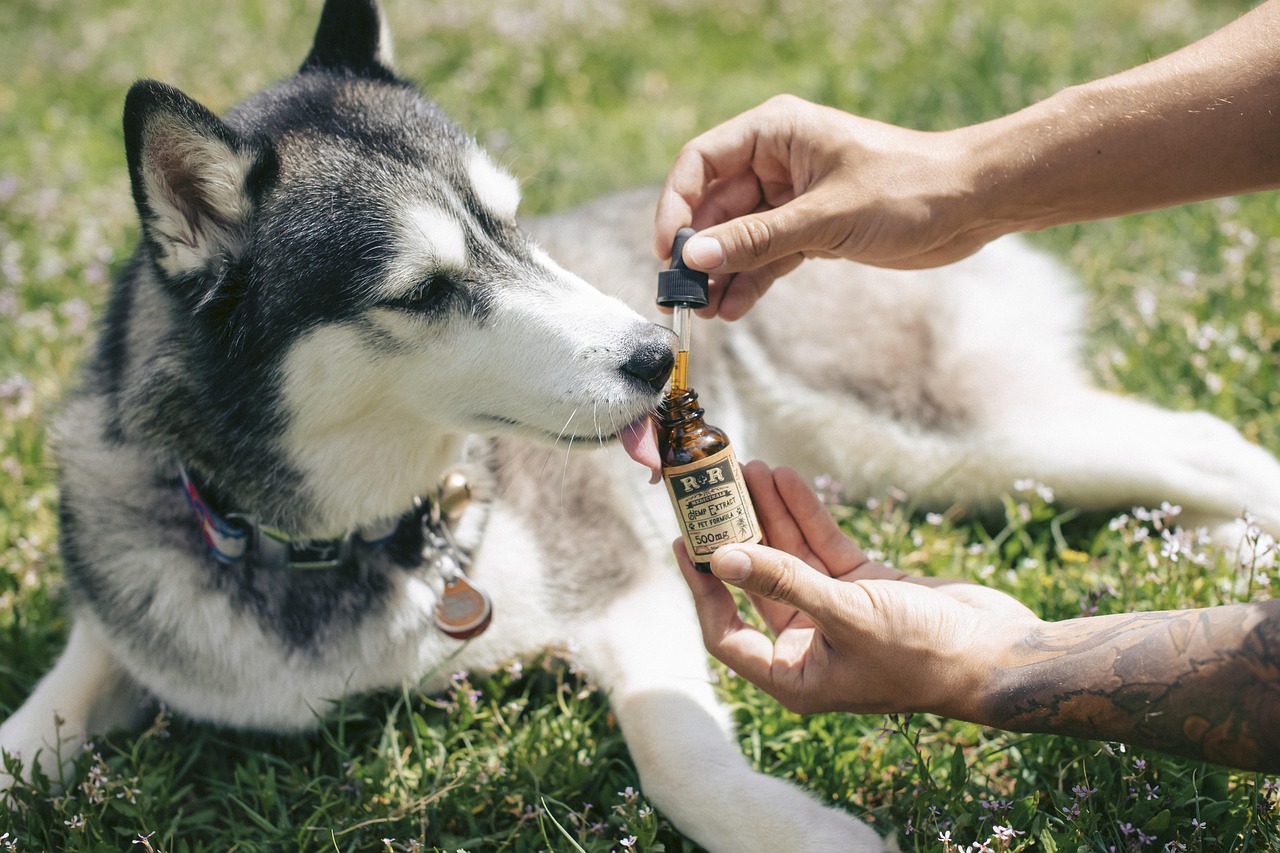
Is your furry friend prone to anxiety, excessive barking, or destructive chewing? You’re not alone. Millions of pet owners struggle with managing their pets’ stress and behavioral issues. Fortunately, calming chews offer a gentle and effective solution to help your beloved companion find some peace and tranquility. In this comprehensive guide, we’ll delve into the world of calming chews for pets, exploring their ingredients, benefits, how to choose the right one, and much more, to help you make the best decision for your four-legged family member.
Understanding Pet Anxiety and Stress
Identifying the Signs of Anxiety in Pets
It’s crucial to recognize the signs of anxiety and stress in your pet to address the issue effectively. Common indicators include:
- Excessive barking or meowing
- Panting or rapid breathing (when not exercising)
- Destructive behavior (chewing furniture, scratching)
- Trembling or shaking
- Pacing or restlessness
- Hiding or withdrawing from interaction
- Changes in appetite
- Aggression
These symptoms can be triggered by various factors, such as:
- Loud noises (fireworks, thunderstorms)
- Separation anxiety
- Travel
- Vet visits
- Changes in routine or environment
- Social anxiety (around other animals or people)
The Impact of Stress on Pet Health
Chronic stress can negatively impact your pet’s overall well-being, leading to:
- Weakened immune system
- Digestive problems
- Skin issues
- Increased risk of behavioral problems
- Reduced quality of life
Therefore, finding effective ways to manage your pet’s anxiety is essential for their long-term health and happiness. Calming chews can be a valuable tool in your arsenal.
What Are Calming Chews?
The Science Behind Calming Ingredients
Calming chews are specially formulated treats designed to help reduce anxiety and promote relaxation in pets. They typically contain a blend of natural ingredients known for their calming properties:
- L-Theanine: An amino acid found in green tea, L-Theanine promotes relaxation without causing drowsiness. Studies have shown it can reduce anxiety and improve mood in both humans and animals.
- Chamomile: A well-known herb with calming and anti-inflammatory properties. It can help ease anxiety and promote sleep.
- Valerian Root: Another herb traditionally used to reduce anxiety and promote relaxation. It works by affecting the levels of certain neurotransmitters in the brain.
- Melatonin: A hormone that regulates sleep-wake cycles. It can help pets relax and fall asleep, particularly during stressful situations like travel or thunderstorms.
- Ginger: Can help reduce nausea in situations like car rides.
How Calming Chews Work
These ingredients work synergistically to calm your pet’s nervous system and reduce anxiety levels. They affect neurotransmitters in the brain, promoting a sense of relaxation and well-being. Many calming chews are designed to be palatable and easily digestible, making them a convenient way to administer calming support. It’s worth noting that, like any supplement, efficacy can vary from pet to pet.
Choosing the Right Calming Chew for Your Pet
Understanding Your Pet’s Specific Needs
Before purchasing calming chews, consider your pet’s specific needs and triggers for anxiety.
- Age and Size: Calming chews often come in different formulations and dosages for different sizes and ages of pets. Always follow the manufacturer’s recommendations.
- Severity of Anxiety: For mild anxiety, chews with lower concentrations of calming ingredients may be sufficient. For severe anxiety, you might need chews with a stronger formulation or consult with your veterinarian.
- Underlying Medical Conditions: If your pet has any underlying medical conditions, consult with your veterinarian before using calming chews. Some ingredients may interact with medications or worsen certain conditions.
- Allergies: Check the ingredient list carefully for any potential allergens. Many chews contain common allergens like chicken, beef, or grains.
Reading Labels and Ingredient Lists
Pay close attention to the ingredient list and dosage instructions.
- Natural vs. Synthetic Ingredients: Opt for chews with natural ingredients whenever possible. Avoid chews with artificial colors, flavors, or preservatives.
- Dosage Recommendations: Follow the manufacturer’s dosage recommendations carefully. Start with the lowest recommended dose and gradually increase it as needed.
- Certifications: Look for chews that have been tested and certified by reputable organizations, such as the National Animal Supplement Council (NASC). This ensures that the product meets quality and safety standards.
Considering Different Chew Types and Flavors
Calming chews come in various forms, including:
- Soft Chews: These are often the most palatable and easiest for pets to chew.
- Tablets: Tablets may be more cost-effective but can be difficult to administer to some pets.
- Liquids: Liquid formulations can be easily added to food or water, making them a convenient option for picky eaters.
Experiment with different flavors to find one that your pet enjoys. Common flavors include chicken, beef, peanut butter, and bacon.
How to Use Calming Chews Effectively
Determining the Correct Dosage
The correct dosage of calming chews will depend on your pet’s weight, age, and the severity of their anxiety. Always follow the manufacturer’s recommendations and consult with your veterinarian if you have any concerns.
- Start Low, Go Slow: Begin with the lowest recommended dose and gradually increase it as needed until you see the desired effect.
- Monitor Your Pet: Closely monitor your pet for any side effects, such as drowsiness, vomiting, or diarrhea. If you notice any adverse reactions, discontinue use and consult with your veterinarian.
Timing is Key
For best results, administer calming chews before the stressful event occurs. For example, give your pet a chew 30-60 minutes before a car ride or a thunderstorm.
- Consistency: For pets with chronic anxiety, you may need to administer calming chews daily to maintain a consistent level of relaxation.
- Combining with Other Strategies: Calming chews are most effective when combined with other anxiety-reducing strategies, such as:
Creating a safe and comfortable environment
Providing plenty of exercise and mental stimulation
Using pheromone diffusers or sprays
Working with a professional dog trainer or behaviorist
Conclusion
Calming chews can be a valuable tool for managing anxiety and promoting relaxation in pets. By understanding the ingredients, benefits, and how to choose the right chew for your pet’s specific needs, you can help your furry friend live a happier, healthier, and more stress-free life. Always consult with your veterinarian before starting any new supplement regimen, and remember that consistency and a holistic approach are key to successfully managing pet anxiety. With the right approach, you can help your beloved companion find the peace and tranquility they deserve.