

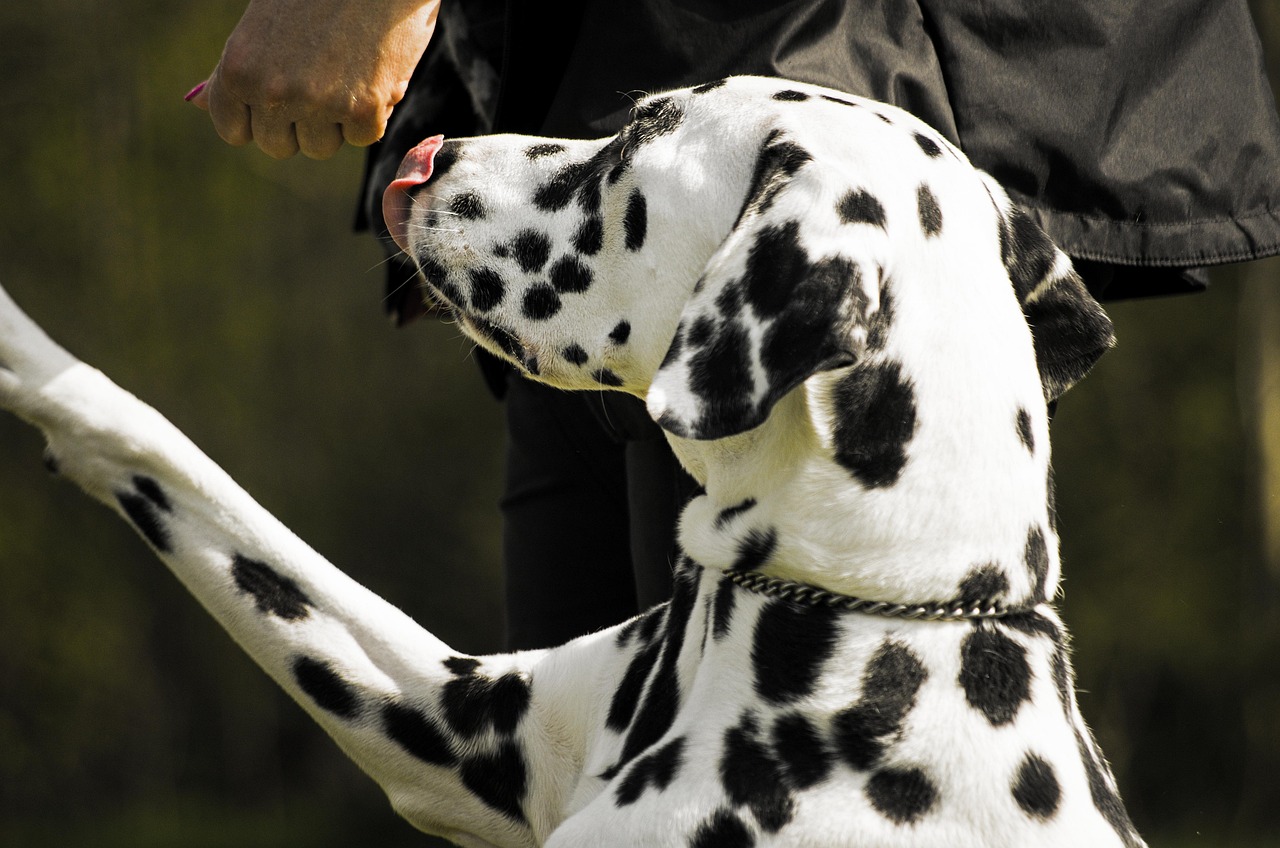
Teaching your puppy to walk politely on a leash is one of the most rewarding experiences you can have. It transforms daily walks from a chaotic tug-of-war into a pleasant stroll, strengthening the bond between you and your furry friend. But where do you begin with such a tiny, energetic bundle of fluff? Don’t worry, this guide is packed with puppy leash walking tips designed to help you navigate this crucial stage of puppyhood. We’ll cover everything from introducing the leash and collar to handling common challenges and ensuring positive experiences for both you and your pup.
Preparing for Success: Collar, Leash, and Treats
Choosing the Right Equipment
A comfortable collar and lightweight leash are essential for a positive introduction.
- Collar: A soft, adjustable puppy collar is ideal. It should fit snugly, allowing you to slip two fingers comfortably between the collar and your puppy’s neck. Avoid choke chains or prong collars for puppies.
- Leash: A lightweight, 4-6 foot leash is perfect for training. Retractable leashes aren’t recommended initially as they can encourage pulling.
- Treats: High-value, bite-sized treats are crucial for rewarding good behavior. Think small pieces of cooked chicken, cheese, or commercial puppy training treats. Make sure they are soft and easily consumed.
Getting Your Puppy Used to the Collar and Leash
Gradual acclimatization is key.
- Collar Introduction: Start by simply presenting the collar. Let your puppy sniff it and reward with a treat. Then, briefly put the collar on, offer praise and a treat, and immediately take it off. Gradually increase the duration your puppy wears the collar, always associating it with positive experiences.
- Leash Attachment: Once your puppy is comfortable with the collar, attach the leash. Let your puppy drag the leash around the house for short periods under your supervision. This helps them get used to the feeling of something attached to their collar. Again, positive reinforcement is crucial.
- Practice Indoors: Before venturing outside, practice walking with the leash indoors. Use treats to lure your puppy forward, rewarding them for staying close to you. Keep these sessions short and fun.
Taking the First Steps: Short and Sweet Sessions
Finding a Quiet and Safe Environment
Choose a low-traffic area for your initial walks. A backyard, quiet park, or even a spacious hallway can work. The goal is to minimize distractions and create a positive experience.
Starting with Short Walks
Puppy attention spans are short, so keep your walks brief, around 5-10 minutes. Focus on building positive associations rather than covering distance. Statistics show that shorter, more frequent training sessions are more effective for puppies than long, infrequent ones.
Rewarding Good Behavior
- Treat Timing: Reward your puppy immediately when they are walking nicely by your side. Use verbal praise (“Good walking!”) alongside the treat.
- Loose Leash Walking: The goal is for the leash to be loose and relaxed. When the leash is slack, reward your puppy. If they start to pull, stop moving and wait for them to come back to you before resuming.
- Changing Directions: Use changes in direction to keep your puppy engaged and prevent pulling. Suddenly turn and walk the other way, rewarding your puppy when they follow you.
Addressing Common Leash Walking Challenges
Pulling
Pulling is a common issue, but it can be addressed with consistent training.
- Stop and Wait: When your puppy starts to pull, stop walking. Don’t say anything, just stand still. Wait until your puppy stops pulling and the leash is slack. Then, praise and reward them, and resume walking.
- Change Direction: As mentioned earlier, changing direction can prevent pulling. When your puppy starts to pull, turn and walk the other way. This encourages them to pay attention to you.
- U-Turns: Similar to changing direction, U-turns can also disrupt pulling. When your puppy pulls, make a U-turn and walk back the way you came.
- “Be a Tree”: When the puppy is pulling, stop, stand straight and simply wait for the puppy to return to your side.
Distractions
Puppies are easily distracted, so be prepared.
- High-Value Treats: Use high-value treats to redirect your puppy’s attention.
- Controlled Exposure: Gradually expose your puppy to more distracting environments as their training progresses. Start with quiet areas and gradually move to busier locations.
- Positive Reinforcement: Always reward your puppy for focusing on you, even when distractions are present.
Biting the Leash
This is often a sign of boredom or frustration.
- Redirection: Offer your puppy a chew toy or a small ball to carry instead of the leash.
- Engage Your Puppy: Keep your puppy engaged during the walk with frequent praise, treats, and changes in direction.
- Shorter Walks: If your puppy is biting the leash out of boredom, shorten the walks and try again later.
Socialization and Continued Training
Socialization During Walks
Leash walks are a great opportunity to socialize your puppy.
- Controlled Introductions: Allow your puppy to greet other dogs and people in a controlled manner. Ensure the other dog is friendly and the interaction is positive.
- Positive Experiences: Make sure your puppy has positive experiences with new sights, sounds, and smells. This helps them become a well-adjusted adult dog.
- Avoid Overwhelm: Don’t overwhelm your puppy with too many new experiences at once. Gradually introduce them to new things.
Continued Training and Consistency
Consistency is key to successful leash walking.
- Regular Practice: Practice leash walking every day, even if it’s just for a few minutes.
- Positive Reinforcement: Continue to use positive reinforcement throughout your puppy’s life.
- Professional Help: If you’re struggling with leash walking, consider seeking help from a professional dog trainer. A trainer can provide personalized guidance and address specific challenges.
Conclusion
Leash walking with a puppy requires patience, consistency, and positive reinforcement. By following these tips, you can transform walks into enjoyable experiences for both you and your furry companion. Remember to focus on building a positive relationship, rewarding good behavior, and addressing challenges with patience and understanding. Happy walking!