

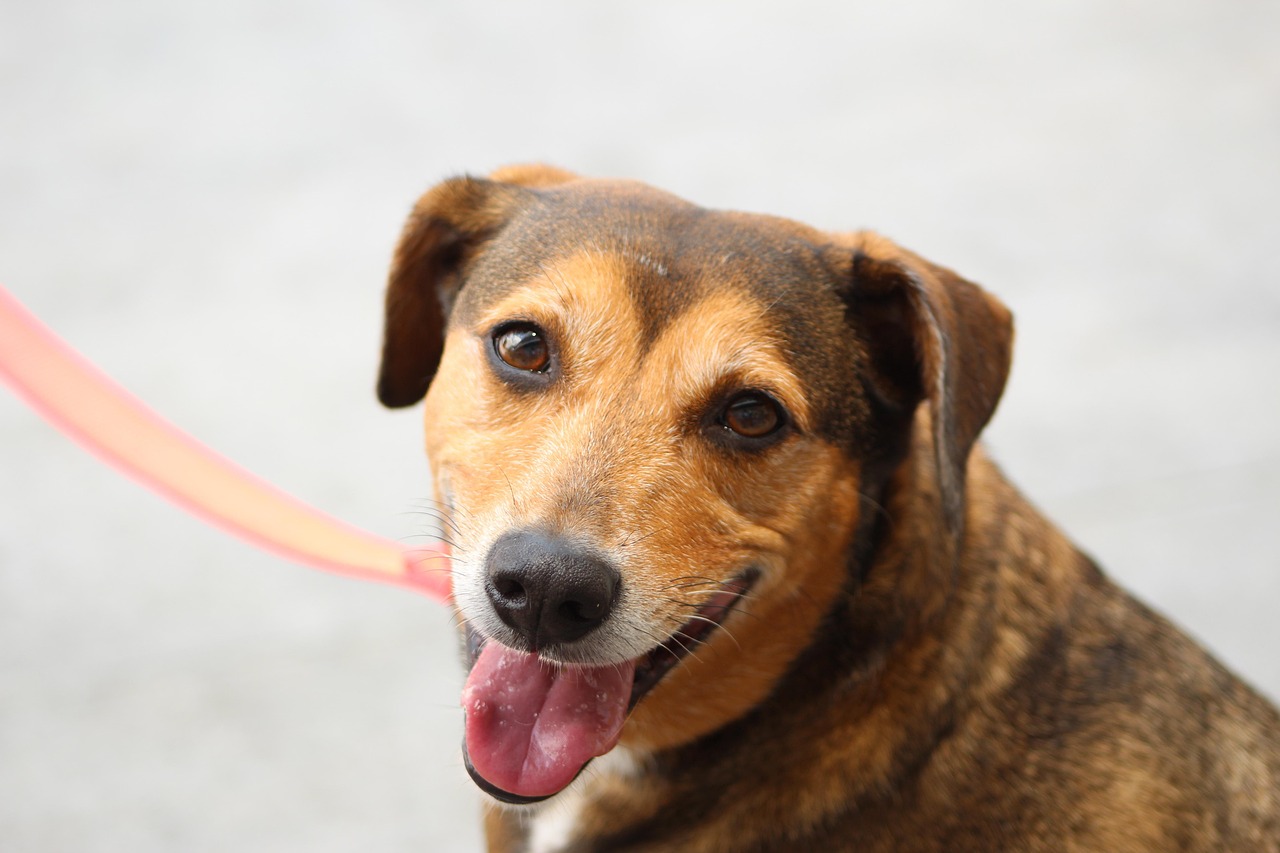
Turning your loyal canine companion into a vigilant protector is a rewarding but complex process. It’s more than just teaching a dog to bark at strangers. Effective guard dog training involves careful selection, consistent training, and a deep understanding of canine behavior. This comprehensive guide will walk you through the essential steps to responsibly train a guard dog, ensuring both their safety and the safety of those they are meant to protect.
Choosing the Right Dog for Guard Dog Training
Breed Selection Matters
Not all breeds are created equal when it comes to guard dog potential. Certain breeds possess the inherent traits necessary for effective guarding, while others are better suited for companionship. Here are some factors to consider:
- Natural Protective Instincts: Breeds like German Shepherds, Rottweilers, Doberman Pinschers, and Belgian Malinois have historically been bred for guarding and protection. They are naturally alert, territorial, and loyal.
- Trainability: Intelligence and a willingness to learn are crucial. Dogs must be able to understand and consistently execute commands.
- Physical Attributes: Size and strength can be deterrents. A larger, more imposing dog can be more effective at deterring potential threats.
- Temperament: A stable and balanced temperament is paramount. A guard dog should be confident and assertive but not aggressive or overly fearful. They must be able to differentiate between a genuine threat and a harmless visitor.
Assessing Temperament and Drive
Even within a suitable breed, individual temperament and drive can vary significantly. Look for a dog that exhibits:
- Confidence: A confident dog is less likely to react out of fear.
- Alertness: They should be naturally observant and quick to notice changes in their environment.
- Loyalty: A strong bond with their handler is essential for effective protection.
- Prey Drive: While a high prey drive can be beneficial for some protection work, it must be carefully managed to avoid misdirected aggression.
- Socialization: Proper socialization from a young age is crucial. A well-socialized dog is less likely to react inappropriately to unfamiliar people or situations. This includes exposure to different environments, sounds, people and animals.
- Example: Avoid selecting a dog that is consistently fearful or reactive to new situations, as this could lead to unpredictable behavior.
Building a Solid Foundation: Obedience Training
Basic Obedience Commands
Obedience training is the cornerstone of guard dog training. A dog that consistently obeys commands is easier to control and more reliable in a protective situation. Focus on mastering these commands:
- Sit: Essential for maintaining control.
- Stay: Crucial for holding a position and preventing unwanted movement.
- Down: Useful for calming the dog and preventing escalation.
- Come: Vital for recalling the dog in any situation.
- Heel: Enables the handler to maintain close control while walking.
- Leave it: Prevents the dog from engaging with unwanted objects or people.
Positive Reinforcement Techniques
Positive reinforcement is the most effective method for building a strong bond and motivating your dog. Use rewards such as:
- Food: High-value treats are excellent motivators.
- Praise: Verbal praise and physical affection can be very rewarding.
- Toys: Some dogs are highly motivated by toys, such as balls or tug ropes.
- Example: Reward your dog immediately after they successfully execute a command. This reinforces the desired behavior and makes them more likely to repeat it in the future.
Consistency and Repetition
Consistency is key to successful training. Practice commands regularly in different environments and with varying levels of distraction.
- Daily Training Sessions: Short, frequent training sessions are more effective than long, infrequent ones.
- Vary Environments: Practice commands in your home, yard, and other public places.
- Introduce Distractions Gradually: Start with minimal distractions and gradually increase the level of difficulty as your dog progresses.
Developing Guard Dog Skills
Alerting and Barking on Command
Teaching your dog to bark on command is a valuable skill for deterring potential threats.
- Associate a Cue Word with Barking: Use a specific word or phrase, such as “Speak” or “Alert,” when your dog naturally barks.
- Reward Barking on Command: Reward your dog when they bark after hearing the cue word.
- Gradually Increase the Duration of the Bark: Start with short bursts of barking and gradually increase the duration as your dog becomes more proficient.
- Example: Have a friend approach your property while you give the “Alert” command. Reward your dog for barking appropriately.
Controlled Aggression and Protection Exercises
This stage of training requires careful planning and supervision by a qualified professional. It involves teaching the dog to:
- Recognize a Threat: Learn to differentiate between a genuine threat and a harmless individual.
- React Appropriately: Respond to threats with a controlled level of aggression.
- Protect the Handler: Defend the handler from harm.
- Bite Work (If Desired): Learn to bite and hold a designated target (e.g., a padded sleeve) on command. This should only be undertaken under the guidance of a professional trainer and with the appropriate safety equipment.
- Important: Never encourage indiscriminate aggression. The goal is to teach the dog to protect, not to attack without provocation.
Scenario-Based Training
Simulate real-world scenarios to test your dog’s training and problem-solving abilities.
- Staged Home Invasions: Simulate a break-in to assess the dog’s response.
- Ambush Scenarios: Practice protecting the handler from a sudden attack.
- Carjacking Scenarios: Train the dog to defend the vehicle and its occupants.
- Example: Set up a scenario where a “stranger” approaches your house while you are inside. Observe how your dog reacts and reinforce the desired behaviors.
Socialization and Ongoing Maintenance
Continuous Socialization
Even after completing guard dog training, ongoing socialization is essential to maintain a balanced temperament and prevent unwanted aggression.
- Regular Exposure to New People and Situations: Continue to expose your dog to a variety of people, places, and sounds.
- Controlled Interactions with Other Animals: Allow supervised interactions with other dogs and animals.
- Reinforce Positive Behaviors: Reward calm and friendly behavior around strangers and other animals.
Refresher Training
Regular refresher training is crucial to maintain your dog’s skills and prevent them from becoming complacent.
- Periodic Obedience Drills: Regularly practice basic obedience commands to reinforce good behavior.
- Simulated Protection Scenarios: Periodically run through protection scenarios to keep your dog sharp.
- Address Any Emerging Issues: Correct any unwanted behaviors promptly and consistently.
- Important: A well-trained guard dog is a valuable asset, but they are also a significant responsibility. Regular training, socialization, and professional guidance are essential for ensuring their safety and the safety of others.
Conclusion
Training a guard dog is a significant undertaking that requires dedication, patience, and a commitment to responsible dog ownership. By carefully selecting the right dog, building a solid foundation of obedience, developing specialized guard dog skills, and maintaining ongoing socialization and training, you can transform your loyal companion into a vigilant protector. Always prioritize ethical and humane training methods and seek guidance from qualified professionals to ensure the well-being of your dog and the safety of your community. Remember that responsible training is key to creating a reliable and controlled guardian, making your home safer and providing peace of mind.