

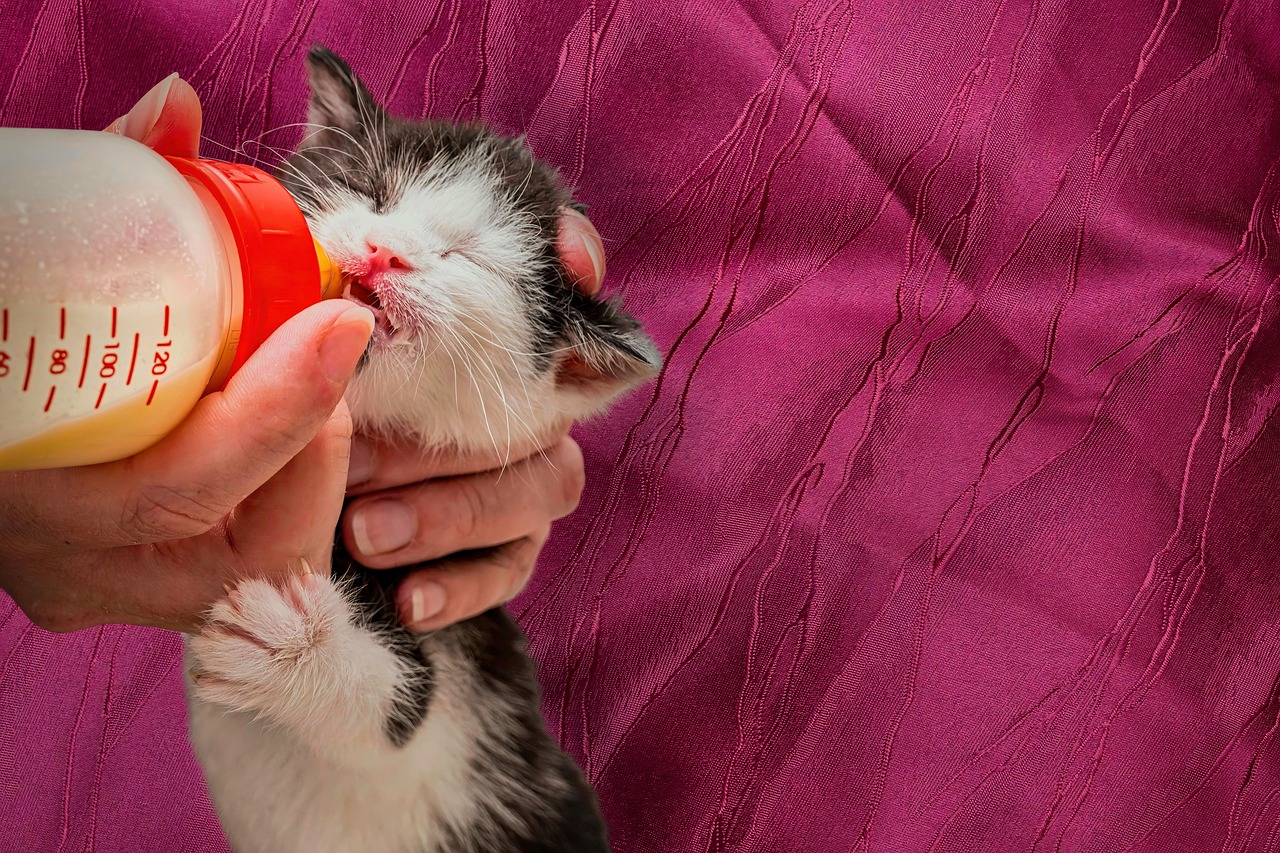
Caring for our furry, scaly, or feathered friends is a rewarding experience. But what if we could extend that care beyond their well-being and encompass the health of our planet too? Eco-friendly pet care is about making conscious choices that minimize our environmental impact while still providing the best possible life for our beloved companions. From sustainable food options to biodegradable waste disposal, there are numerous ways to green your pet parenting practices. This guide will explore practical and impactful strategies to help you create a healthier planet for all, one paw print at a time.
Sustainable Pet Food Choices
Understanding the Environmental Impact of Pet Food
The pet food industry has a significant environmental footprint. From the resources required to raise livestock for meat-based diets to the packaging waste generated, the impact is substantial. Considering alternative food options is a crucial step in eco-friendly pet care.
Exploring Eco-Friendly Food Options
- Plant-Based Diets: While not suitable for all pets (especially obligate carnivores like cats), plant-based diets can significantly reduce the environmental impact of pet food production. Companies are increasingly offering nutritionally complete vegan or vegetarian options. Consult with your veterinarian to determine if a plant-based diet is appropriate and safe for your pet. Always ensure the diet is formulated to meet their specific nutritional needs.
- Insect-Based Protein: Insect protein is a sustainable alternative to traditional meat sources. Insects require significantly fewer resources (land, water, and feed) to raise compared to livestock. Look for pet food brands that use insect protein like black soldier fly larvae.
- Sustainable Fish: If your pet thrives on fish-based diets, choose brands that source fish from sustainably managed fisheries. Look for certifications like the Marine Stewardship Council (MSC) label.
- Reducing Food Waste: Buy pet food in appropriate quantities to minimize spoilage. Store food properly to maintain freshness and prevent waste. Consider composting uneaten food scraps (excluding meat for many home composting systems).
Practical Tips for Sustainable Feeding
- Read Labels Carefully: Choose foods with fewer artificial additives and preservatives.
- Bulk Buying (When Appropriate): Buying in bulk can reduce packaging waste, but only if you can store the food properly and use it before it expires.
- DIY Pet Food (With Veterinary Guidance): Preparing your pet’s food at home allows you to control the ingredients and reduce packaging waste. However, it is crucial to consult with a veterinary nutritionist to ensure the diet is nutritionally complete and balanced for your pet’s specific needs and life stage.
Eco-Friendly Waste Disposal
The Problem with Traditional Pet Waste Disposal
Traditional methods of disposing of pet waste, such as plastic bags and landfills, contribute to environmental pollution. Plastic bags take hundreds of years to decompose, and pet waste can leach harmful bacteria and pathogens into the soil and water.
Biodegradable and Compostable Waste Bags
- Biodegradable Bags: These bags break down more quickly than traditional plastic bags, although they may still require specific conditions (like a composting facility) to fully decompose.
- Compostable Bags: These bags are designed to break down completely in a composting environment, leaving behind no harmful residues. Ensure the bags are certified compostable by a reputable organization like BPI (Biodegradable Products Institute).
- Reusable Waste Scoops and Containers: Opt for durable, reusable waste scoops and containers instead of disposable options.
Pet Waste Composting (Considerations and Best Practices)
- Pet Waste Composting Systems: Specialized composting systems designed for pet waste are available. These systems typically involve a closed container with a composting accelerator.
- Safe Composting Practices: Never compost pet waste in a regular garden composter that will be used for food crops. Pet waste can contain harmful pathogens that can contaminate food.
- Local Regulations: Check your local regulations regarding pet waste composting. Some municipalities may have specific guidelines or restrictions.
Alternative Waste Disposal Methods
- Flushing (With Caution): Some cities allow pet waste to be flushed down the toilet, but only if it’s not bagged. Check your local regulations first, as flushing can overload septic systems and wastewater treatment plants in some areas. Never flush plastic or biodegradable bags.
- Designated Pet Waste Receptacles: Many parks and public areas now have designated pet waste receptacles. Use these whenever possible to ensure proper disposal.
Eco-Conscious Pet Products
Choosing Sustainable Toys and Accessories
Many pet toys and accessories are made from unsustainable materials like plastic. Opting for eco-friendly alternatives can significantly reduce your environmental impact.
- Recycled Materials: Look for toys and accessories made from recycled plastic, rubber, or fabric.
- Natural Materials: Choose toys made from natural, sustainable materials like hemp, organic cotton, bamboo, or sustainably harvested wood.
- Durable and Long-Lasting: Invest in high-quality, durable products that will last longer, reducing the need for frequent replacements.
- DIY Toys: Get creative and make your own pet toys using recycled materials like old t-shirts, socks, or cardboard boxes.
Eco-Friendly Grooming Products
- Natural and Organic Shampoos and Conditioners: Choose grooming products that are free from harsh chemicals, parabens, sulfates, and artificial fragrances. Look for products that are biodegradable and cruelty-free.
- Sustainable Brushes and Combs: Opt for brushes and combs made from bamboo, wood, or recycled materials.
- Reusable Grooming Tools: Use reusable grooming gloves or cloths instead of disposable wipes.
Sustainable Bedding Options
- Recycled Filling: Choose pet beds filled with recycled plastic bottles or other recycled materials.
- Organic and Natural Fabrics: Opt for bed covers made from organic cotton, hemp, or other natural fabrics.
- Durable and Washable: Choose a bed that is durable and easy to wash to extend its lifespan.
Green Transportation and Activities
Eco-Friendly Transportation Options
- Walking and Biking: Opt for walking or biking with your pet instead of driving whenever possible.
- Public Transportation: When feasible, use public transportation instead of driving your own car.
- Pet Carriers and Strollers: Choose pet carriers and strollers made from sustainable materials.
Sustainable Outdoor Activities
- Leave No Trace: When hiking or camping with your pet, practice Leave No Trace principles. Pack out everything you pack in, and properly dispose of pet waste.
- Respect Wildlife: Keep your pet on a leash in sensitive areas to protect wildlife.
- Choose Eco-Friendly Parks: Support parks and recreational areas that prioritize environmental sustainability.
Minimizing Your Pet’s Carbon Paw Print
Reducing Energy Consumption
- Energy-Efficient Pet Products: Choose energy-efficient pet products like LED lighting for aquariums or self-warming pet beds.
- Proper Insulation: Ensure your pet’s living space is properly insulated to reduce energy consumption for heating and cooling.
Supporting Local and Sustainable Businesses
- Buy Local: Purchase pet food and supplies from local businesses that prioritize sustainability.
- Support Eco-Friendly Brands: Choose brands that are committed to environmental responsibility.
Educating Others
- Share Information: Share your knowledge of eco-friendly pet care with friends, family, and other pet owners.
- Participate in Community Events: Get involved in community events that promote environmental sustainability.
Conclusion
Embracing eco-friendly pet care is a win-win situation. Not only does it benefit the environment, but it also contributes to the overall health and well-being of our beloved pets. By making conscious choices in our pet parenting practices, we can reduce our environmental impact and create a more sustainable future for all. Start small, make gradual changes, and encourage others to join you on this journey towards a greener world, one paw print at a time. Every little bit counts!