

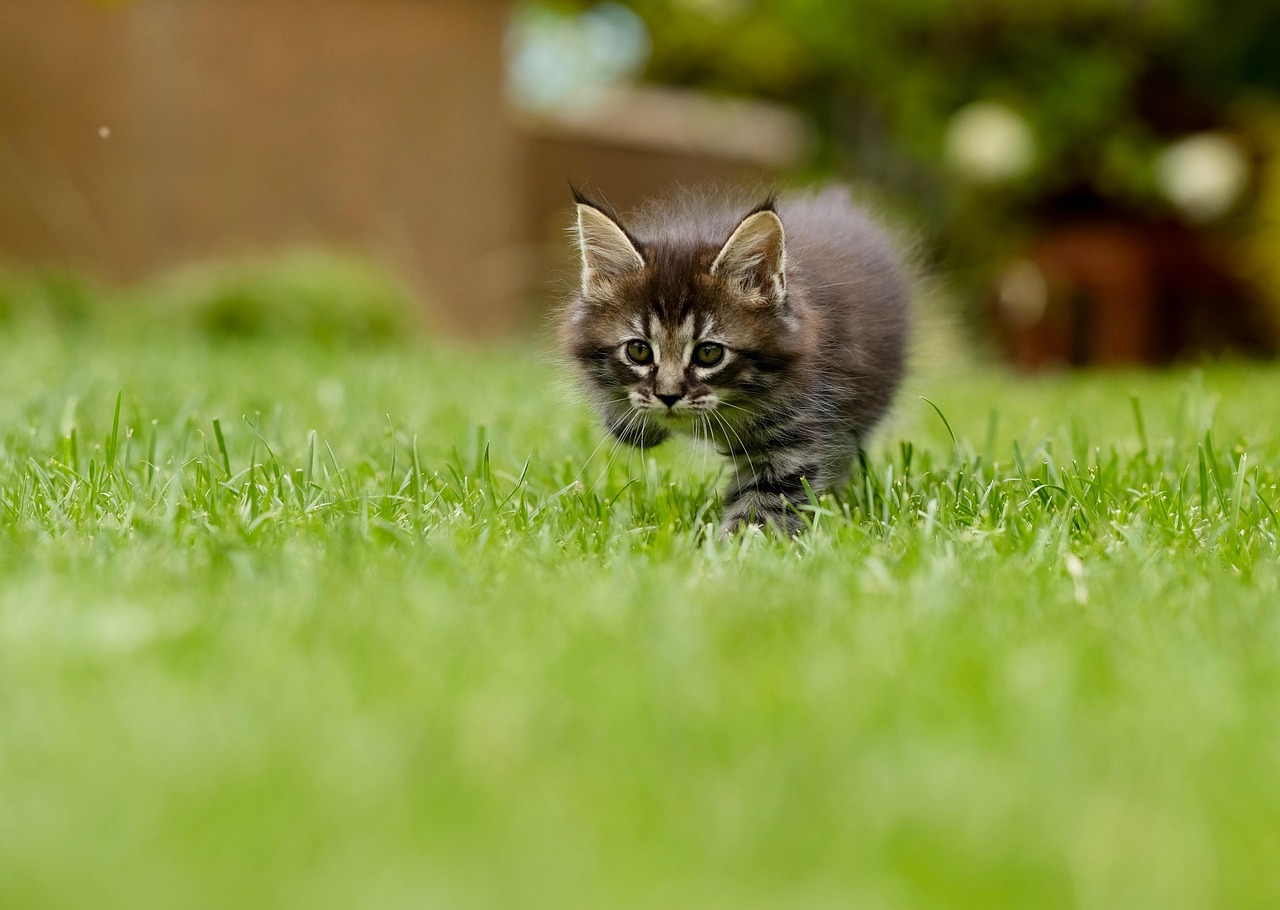
Forget the same old walks and fetch games! Enrich your pet’s life and strengthen your bond with some fun and engaging pet challenges. From agility courses in your living room to treat-finding scavenger hunts, these activities provide mental stimulation, physical exercise, and plenty of laughs for both you and your furry, scaled, or feathered friend. Let’s explore some exciting challenges to keep your pet happy, healthy, and entertained!
Agility Training at Home
Agility training isn’t just for professional show dogs! You can create a simplified agility course right in your own home using everyday items. This is a fantastic way to improve your pet’s coordination, obedience, and confidence, while also providing a great workout.
DIY Agility Course
Creating a DIY agility course can be surprisingly easy and inexpensive. Look around your home for items you can repurpose into obstacles.
- Jump: Use broomsticks or PVC pipes propped up on books or chairs. Start low and gradually increase the height as your pet gets more comfortable.
- Tunnel: Cardboard boxes with the ends cut off, fabric tunnels designed for kids, or even a blanket draped over chairs can serve as tunnels.
- Weave Poles: Plastic bottles partially filled with water, traffic cones (small ones), or even sturdy cardboard tubes can be used as weave poles. Space them appropriately for your pet’s size.
- Pause Table: A sturdy stool, ottoman, or even a designated spot on the floor can serve as a “pause table” where your pet must stay for a few seconds.
Benefits of Agility Training
- Mental Stimulation: Agility training challenges your pet’s problem-solving skills and keeps them mentally sharp.
- Physical Exercise: The course provides a great workout, helping to maintain a healthy weight and improve cardiovascular health.
- Improved Obedience: Agility training requires focus and obedience, reinforcing basic commands like “sit,” “stay,” and “come.”
- Strengthened Bond: Working together on the course strengthens the bond between you and your pet, fostering trust and communication.
- Reduced Boredom: Agility training can alleviate boredom and prevent destructive behaviors that stem from pent-up energy.
- Actionable Takeaway: Start slow, use positive reinforcement (treats and praise), and keep sessions short and fun. Focus on progress, not perfection.
Food Puzzle Fun
Food puzzles are a fantastic way to engage your pet’s mind and slow down fast eaters. Instead of simply putting food in a bowl, you make them work for it, stimulating their natural foraging instincts.
Types of Food Puzzles
There are countless food puzzle options available, ranging from simple to complex.
- Rolling Puzzles: These puzzles require your pet to roll or push the toy to dispense treats.
- Hiding Puzzles: These puzzles have compartments where you can hide treats, and your pet must figure out how to open them.
- Licking Mats: These mats have textured surfaces that you spread food on, requiring your pet to lick it off, prolonging mealtime.
- DIY Food Puzzles: You can create your own food puzzles using items like muffin tins with tennis balls on top, or cardboard boxes filled with crumpled paper and treats.
Benefits of Food Puzzles
- Mental Stimulation: Food puzzles challenge your pet’s problem-solving skills and keep their mind engaged.
- Slow Eating: For pets who eat too quickly, food puzzles can help slow them down, reducing the risk of bloat and digestive issues.
- Reduced Boredom: Food puzzles provide a fun and engaging activity, preventing boredom and destructive behaviors.
- Weight Management: By making mealtime more challenging, food puzzles can help with weight management.
- Natural Foraging Instincts: Food puzzles tap into your pet’s natural foraging instincts, providing a sense of accomplishment and satisfaction.
- Actionable Takeaway: Introduce food puzzles gradually, starting with easy ones and gradually increasing the difficulty. Make sure to supervise your pet initially to ensure they don’t get frustrated or destructive.
Trick Training
Teaching your pet tricks isn’t just about showing off – it’s a great way to strengthen your bond, provide mental stimulation, and improve obedience. Plus, it’s just plain fun!
Simple Tricks to Start With
- Shake: Hold a treat in your closed hand and say “shake.” When your pet paws at your hand, give them the treat and praise.
- Sit Pretty: Hold a treat above your pet’s head and slightly behind them, encouraging them to sit up on their hind legs. Reward them when they do.
- Play Dead: Lure your pet into a lying-down position, then gently roll them onto their side. Say “play dead” and reward them for staying still.
- Fetch: Start by throwing a toy a short distance and encouraging your pet to bring it back. Reward them when they do.
Benefits of Trick Training
- Mental Stimulation: Trick training challenges your pet’s mind and keeps them mentally engaged.
- Improved Obedience: Trick training reinforces basic commands and improves your pet’s responsiveness.
- Strengthened Bond: Working together on tricks strengthens the bond between you and your pet, fostering trust and communication.
- Boosted Confidence: Successfully learning new tricks can boost your pet’s confidence and self-esteem.
- Prevented Boredom: Trick training provides a fun and engaging activity, preventing boredom and destructive behaviors.
- Actionable Takeaway: Use positive reinforcement (treats, praise, and toys), keep sessions short and fun, and be patient. Celebrate small victories and don’t get discouraged if your pet doesn’t learn a trick right away.
Scent Work Challenges
Scent work is a fantastic activity that taps into your pet’s natural ability to detect and identify odors. It’s a mentally stimulating and rewarding activity that can be enjoyed by pets of all ages and breeds.
Hide-and-Seek with Treats or Toys
This is a simple scent work game that you can play anywhere.
- Treats: Hide small treats around the room while your pet is in another room or distracted. Then, release your pet and encourage them to “find it!”
- Toys: If your pet is toy-motivated, hide their favorite toys instead of treats.
- Advanced: As your pet gets better, you can increase the difficulty by hiding the treats or toys in more challenging locations or using stronger-smelling items.
Benefits of Scent Work
- Mental Stimulation: Scent work challenges your pet’s mind and keeps them mentally engaged.
- Taps into Natural Instincts: Scent work allows your pet to use their natural sniffing abilities, which can be very satisfying.
- Reduced Stress and Anxiety: Scent work can be a calming and relaxing activity for some pets.
- Improved Focus and Concentration: Scent work requires focus and concentration, which can be beneficial for pets with attention deficits.
- Suitable for All Ages and Breeds: Scent work can be adapted to suit pets of all ages, breeds, and physical abilities.
- Actionable Takeaway: Start with easy searches and gradually increase the difficulty as your pet gets more comfortable. Use positive reinforcement and make it a fun and rewarding experience.
Conclusion
Enriching your pet’s life with fun challenges is a win-win situation. You’ll strengthen your bond, provide mental stimulation, and improve their physical health, all while having a blast. From agility training to food puzzles, trick training, and scent work, there’s a challenge out there for every pet. So, get creative, have fun, and watch your pet thrive! Remember to always prioritize safety and positive reinforcement, and adapt the challenges to suit your pet’s individual needs and abilities. Happy challenging!