

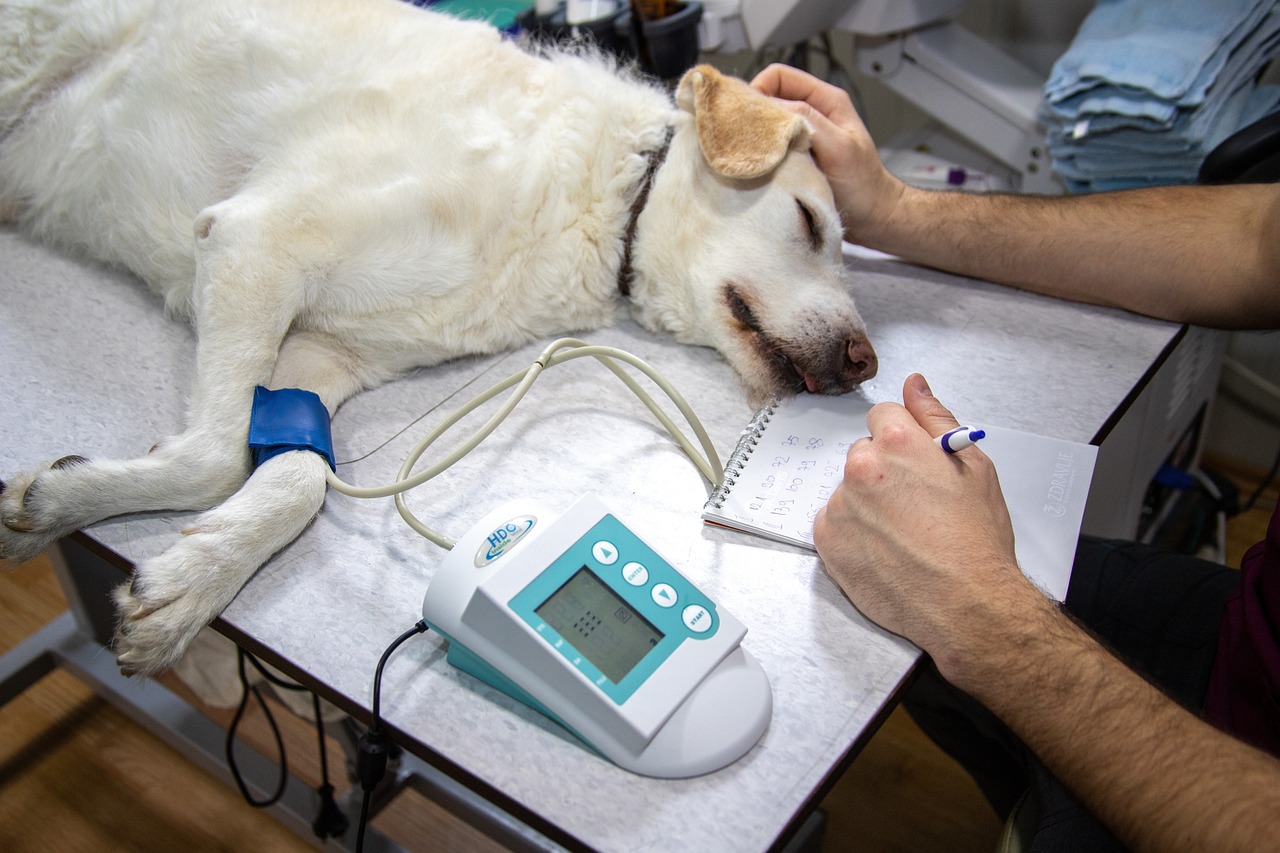
As our canine companions gracefully age, their nutritional needs shift. Just as humans require different diets as they mature, senior dogs benefit immensely from food specifically formulated to support their changing bodies. Understanding these needs and making informed dietary choices can dramatically improve your senior dog’s quality of life, contributing to their vitality and overall well-being in their golden years. This comprehensive guide delves into the essential aspects of senior dog nutrition, offering practical tips and advice to help you provide the best possible care for your aging friend.
Understanding the Nutritional Needs of Senior Dogs
As dogs enter their senior years (typically around 7 years old for larger breeds and slightly later for smaller breeds), their metabolism slows down, their activity levels often decrease, and they may experience changes in body composition, such as muscle loss and increased body fat. Senior dog food formulations address these changes by providing adjusted levels of protein, fat, carbohydrates, and essential nutrients.
Protein Considerations
- Why it matters: Senior dogs still need protein to maintain muscle mass and support organ function. However, their ability to process protein may decrease, and some may have underlying kidney issues.
- Recommendations: Look for high-quality protein sources (e.g., chicken, turkey, fish) in senior dog food. The ideal protein level varies based on the dog’s individual health conditions and activity level. Consulting with your veterinarian is crucial.
- Example: A senior dog with no kidney problems might benefit from a food with a slightly higher protein content (around 25-30% on a dry matter basis) to combat muscle loss, while a dog with kidney issues may require a lower protein diet.
Fat Content and Calories
- Why it matters: Senior dogs often become less active, making them prone to weight gain. Reduced calorie intake and appropriate fat levels are essential for weight management.
- Recommendations: Choose a senior dog food with a moderate fat content (around 10-15% on a dry matter basis) and lower calorie density compared to adult dog food.
- Example: If your senior dog is overweight, gradually switch to a senior formula with lower fat and increased fiber. Monitor their weight regularly and adjust the portion size accordingly.
Carbohydrate Sources
- Why it matters: Carbohydrates provide energy, but it’s important to choose easily digestible sources.
- Recommendations: Opt for senior dog foods that use highly digestible carbohydrates like brown rice, sweet potatoes, or oats. Avoid foods with excessive amounts of fillers like corn, wheat, and soy.
- Example: Dogs with sensitive stomachs may benefit from grain-free senior formulas, but consult with your veterinarian to ensure these diets provide complete and balanced nutrition.
Key Nutrients for Senior Dogs
Beyond macronutrients (protein, fat, and carbohydrates), certain micronutrients and supplements play a vital role in supporting the health of senior dogs.
Joint Support
- Why it matters: Arthritis and joint pain are common in senior dogs.
- Recommendations: Look for senior dog foods that contain glucosamine and chondroitin, which help support cartilage health.
- Example: Many senior dog food formulations include added glucosamine and chondroitin. You can also supplement with these nutrients separately if needed, following your veterinarian’s recommendations.
Antioxidants
- Why it matters: Antioxidants help protect against cell damage caused by free radicals, which can contribute to aging and disease.
- Recommendations: Choose senior dog foods rich in antioxidants like vitamin E, vitamin C, and beta-carotene.
- Example: Look for ingredients like blueberries, spinach, and carrots in the ingredient list, as these are natural sources of antioxidants.
Fiber
- Why it matters: Fiber promotes digestive health and can help with weight management.
- Recommendations: Choose senior dog foods with moderate fiber content, typically from sources like beet pulp or cellulose.
- Example: Fiber can help prevent constipation, a common issue in senior dogs.
Transitioning to Senior Dog Food
Switching your dog to a senior-specific diet requires a gradual transition to avoid digestive upset.
The Gradual Approach
- Why it matters: Abrupt changes in diet can lead to diarrhea or vomiting.
- Recommendations: Over 7-10 days, gradually increase the proportion of senior dog food while decreasing the amount of their old food.
Day 1-2: 25% senior food, 75% old food
Day 3-4: 50% senior food, 50% old food
Day 5-6: 75% senior food, 25% old food
Day 7-10: 100% senior food
- Example: If your dog experiences digestive issues during the transition, slow down the process and consult with your veterinarian.
Monitoring Your Dog’s Response
- Why it matters: Observe your dog for any signs of digestive upset, such as diarrhea, vomiting, or loss of appetite.
- Recommendations: Monitor their stool consistency and overall energy levels.
- Example: If your dog develops diarrhea, temporarily reduce the amount of senior food and gradually increase it again over a longer period.
Addressing Specific Health Concerns
Senior dogs are more prone to certain health conditions that may require dietary adjustments.
Kidney Disease
- Why it matters: Kidney disease is common in senior dogs and requires a diet that is low in protein and phosphorus.
- Recommendations: Consult with your veterinarian about prescription kidney diets specifically formulated to manage kidney disease.
- Example: These diets typically have restricted protein and phosphorus levels, as well as added omega-3 fatty acids to support kidney function.
Dental Issues
- Why it matters: Dental problems can make it difficult for senior dogs to chew dry food.
- Recommendations: Consider switching to wet food or softening dry kibble with water.
- Example: If your dog has missing teeth or gum disease, wet food is easier to chew and can prevent pain during meals.
Weight Management
- Why it matters: Both obesity and weight loss can be detrimental to the health of senior dogs.
- Recommendations: Work with your veterinarian to determine the ideal weight for your dog and develop a feeding plan to achieve and maintain that weight.
- Example: Regular exercise (within their physical capabilities) can also help manage weight and improve overall health.
Conclusion
Providing the right nutrition is crucial for supporting the health and well-being of your senior dog. By understanding their changing needs, selecting appropriate senior dog food, and working closely with your veterinarian, you can help your beloved companion thrive in their golden years. Remember to monitor your dog’s response to dietary changes and adjust their diet as needed to address any specific health concerns. A thoughtful and proactive approach to senior dog nutrition will contribute to a happier, healthier, and longer life for your furry friend.