

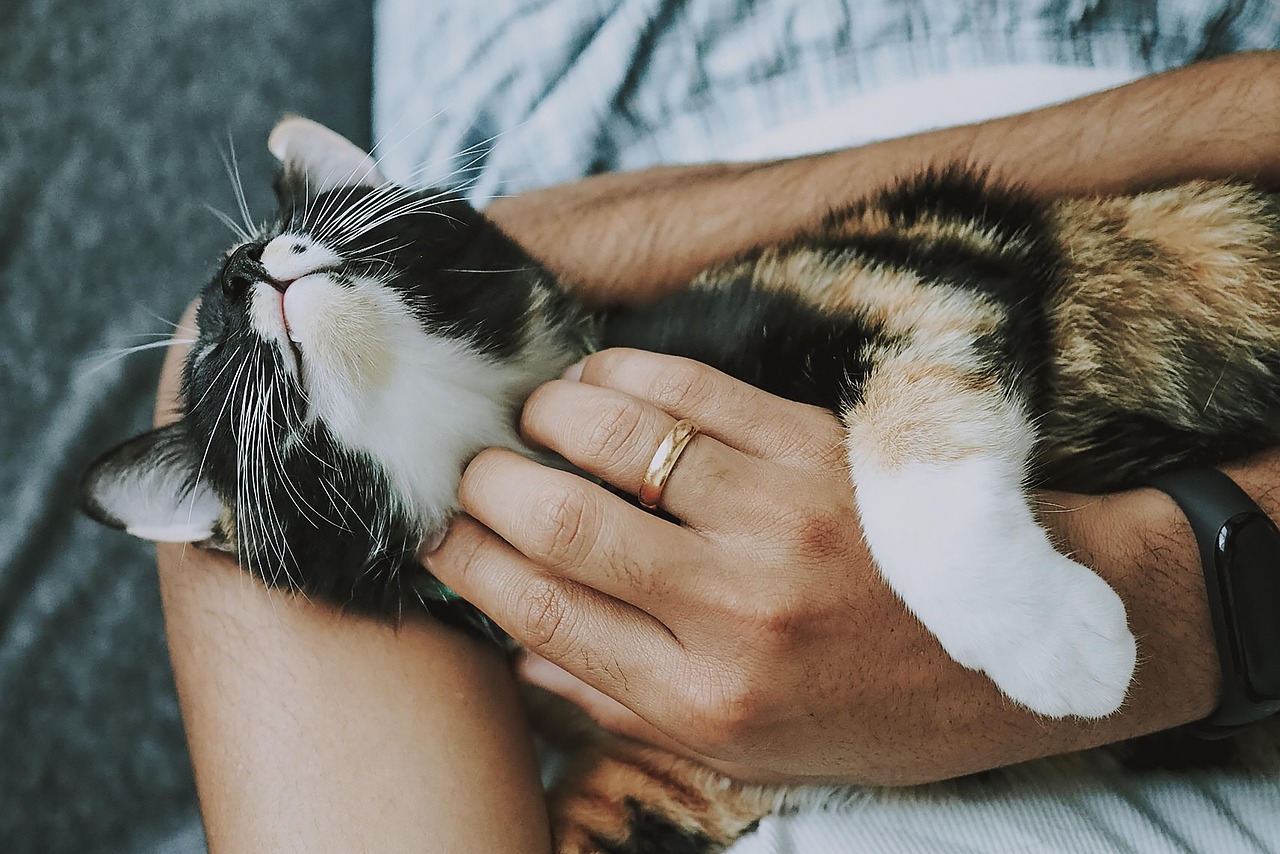
Is your feline friend starting to look a little less than purr-fect? Regular grooming isn’t just about aesthetics; it’s essential for your cat’s health and well-being. From preventing painful mats to early detection of skin issues, home grooming offers a range of benefits for both you and your cat. This guide will provide you with the essential tools and techniques to confidently groom your cat at home, turning a chore into a bonding experience.
Why Home Grooming Matters for Your Cat
Health Benefits of Regular Grooming
- Reduced Hairballs: Regular brushing removes loose fur, minimizing the amount your cat ingests while self-grooming, which reduces the likelihood of hairball formation. A study published in the Journal of Feline Medicine and Surgery showed that regular grooming can decrease hairball frequency by up to 70%.
- Improved Skin Health: Brushing stimulates blood circulation, promoting healthy skin and a shiny coat. It also allows you to check for parasites like fleas or ticks, or any unusual lumps or bumps.
- Early Detection of Health Issues: Grooming sessions provide an opportunity to notice any changes in your cat’s body, such as weight loss, skin lesions, or areas of sensitivity, allowing for early veterinary intervention.
- Prevents Matting: Mats can be painful and trap moisture, leading to skin infections. Regular brushing prevents mats from forming, especially in long-haired breeds.
The Bonding Experience
- Strengthening Your Bond: Grooming provides dedicated one-on-one time, helping to strengthen the bond between you and your cat. Many cats enjoy the attention and find the process relaxing.
- Reduced Stress: Introducing grooming early in a cat’s life can help them become accustomed to being handled, reducing stress during vet visits and other necessary procedures.
Cost Savings
- Avoid Professional Grooming Costs: While professional groomers are valuable, home grooming can significantly reduce the expense of regular grooming appointments, especially for breeds requiring frequent care.
Essential Grooming Tools for Cats
Brushes
- Slicker Brush: Ideal for removing loose fur and detangling, especially in medium- to long-haired cats. Look for a slicker brush with coated tips to prevent skin irritation.
Example: Safari Self-Cleaning Slicker Brush
- Bristle Brush: Excellent for smoothing the coat and distributing natural oils, resulting in a shiny and healthy appearance.
Example: Hartz Groomer’s Best Combo Brush
- Rubber Brush or Grooming Glove: Gentle option for short-haired cats, effectively removes loose fur and provides a massage-like experience.
Example: Pet Republique Dog & Cat Grooming Brush Glove
Combs
- Metal Comb: Essential for detecting and removing mats and tangles. Choose a comb with rounded teeth to minimize discomfort.
Example: Hertzko Pet Dematting Comb
- Flea Comb: Fine-toothed comb designed to detect and remove fleas and flea dirt.
Nail Clippers
- Scissor-Type Clippers: Offer precise control for trimming nails.
Example: Epica Professional Pet Nail Clipper
- Guillotine-Type Clippers: Require caution to avoid cutting the quick (the blood vessel inside the nail).
Important: Always have styptic powder on hand to stop bleeding if you accidentally cut the quick.
Other Tools
- Pet-Friendly Shampoo: Use a shampoo specifically formulated for cats to avoid irritating their skin.
- Towel: Soft towel for drying your cat after bathing.
- Treats: Positive reinforcement with treats makes grooming a more pleasant experience.
- Mat Splitter or Dematting Tool: Helps to break up stubborn mats before brushing.
Step-by-Step Guide to Grooming Your Cat at Home
Brushing Techniques
Tip: A small amount of cornstarch rubbed into the mat can help loosen it.
Bathing Your Cat (If Necessary)
Important: Ensure the hair dryer is on a cool or low setting to prevent burns.
Nail Trimming
How to Use Styptic Powder: Apply a small amount of styptic powder to the bleeding nail and apply gentle pressure for a few seconds.
Ear Cleaning
Important: Never use cotton swabs inside the ear canal, as this can push debris further in and cause damage.
Adapting Grooming to Your Cat’s Breed and Personality
Long-Haired Cats
- Require Daily Brushing: Breeds like Persians and Maine Coons require daily brushing to prevent mats and tangles.
- Regular Baths: Benefit from regular baths (every 1-2 months) to keep their coats clean and healthy.
Short-Haired Cats
- Weekly Brushing: Benefit from weekly brushing to remove loose fur.
- Less Frequent Baths: Typically require less frequent baths than long-haired cats.
Anxious Cats
- Start Slow: Introduce grooming gradually, starting with short sessions and positive reinforcement.
- Use Calming Aids: Consider using calming aids, such as pheromone sprays or calming treats, to reduce anxiety.
- Professional Help: If your cat is extremely anxious or aggressive, consult with a professional groomer or veterinarian for advice.
Senior Cats
- Gentle Approach: Use a gentle approach and be mindful of any pain or discomfort.
- Shorter Sessions: Keep grooming sessions short and frequent to avoid tiring your cat.
- Consult Your Vet: Consult with your veterinarian if you notice any changes in your cat’s skin or coat.
Conclusion
Mastering home grooming for your cat takes patience, practice, and the right tools. By understanding your cat’s specific needs and adopting a consistent grooming routine, you can improve their health, strengthen your bond, and save money on professional grooming services. Remember to always prioritize your cat’s comfort and make grooming a positive experience for both of you. Don’t hesitate to consult with your veterinarian or a professional groomer for further guidance if needed. A well-groomed cat is a happy and healthy cat!