

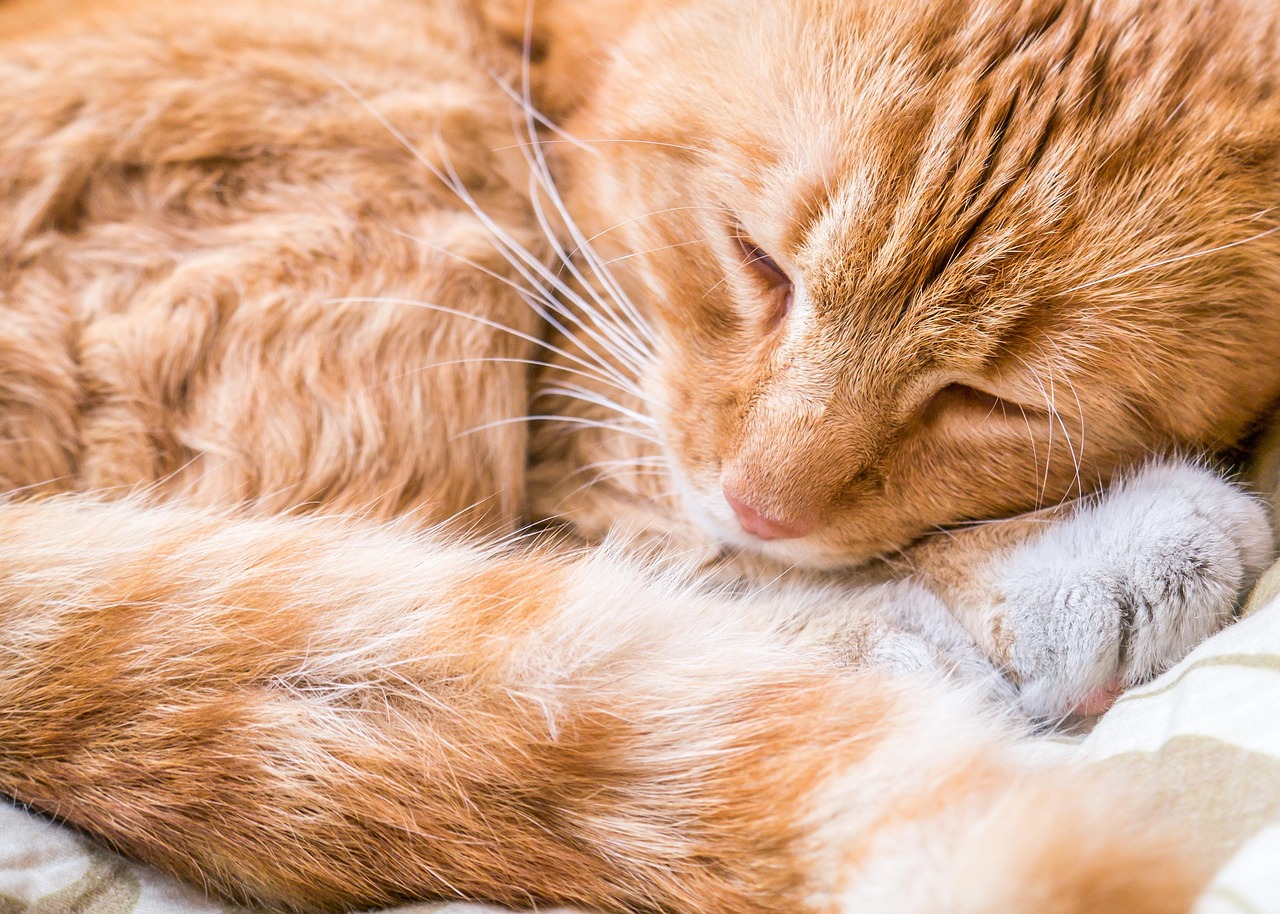
Cats: the masters of napping, the connoisseurs of cardboard boxes, and the discerning judges of…well, everything. But beneath their regal air lies a primal need for stimulation and engagement. Bored cats can quickly become destructive or withdrawn, leading to behavioral issues and even health problems. Luckily, enriching your cat’s environment with fun and engaging activities is easier than you might think. Let’s explore the world of cat enrichment and how you can create a stimulating and fulfilling life for your feline friend.
Understanding Cat Enrichment
What is Cat Enrichment?
Cat enrichment refers to providing opportunities for your cat to engage in behaviors that are natural and instinctive. This goes beyond basic necessities like food, water, and shelter. It focuses on stimulating their minds and bodies, mimicking the activities they would engage in if they were living in the wild.
- Mimicking Natural Behaviors: Enrichment aims to replicate hunting, exploring, scratching, playing, and resting in elevated positions.
- Reducing Boredom and Stress: A stimulating environment keeps cats entertained, reducing boredom, stress, and related behavioral issues.
- Improving Physical and Mental Health: Regular engagement with enrichment activities promotes physical activity and mental stimulation, contributing to overall well-being.
Why is Cat Enrichment Important?
Domestic cats, though pampered, still possess strong instincts. Without outlets for these instincts, they can become bored, frustrated, and even depressed. This can manifest in various undesirable behaviors:
- Destructive Scratching: Lack of appropriate scratching posts can lead to cats targeting furniture.
- Aggression: Frustration can sometimes lead to aggression towards people or other pets.
- Excessive Grooming: This can be a sign of stress and anxiety.
- Changes in Appetite: Boredom can either lead to overeating or a loss of appetite.
- Lethargy and Withdrawal: Cats may become less active and less interested in interacting with their owners.
By providing enrichment, you are essentially providing your cat with the tools they need to express their natural behaviors in a healthy and constructive way. Studies show that enriched environments can significantly reduce stress hormones in cats.
Environmental Enrichment
Vertical Space
Cats are natural climbers and enjoy observing their surroundings from high vantage points. Providing vertical space allows them to feel secure and in control of their territory.
- Cat Trees: A multi-tiered cat tree offers climbing, scratching, and perching opportunities. Look for sturdy models with varying heights and textures.
- Shelves: Install shelves on walls to create a cat-friendly climbing course. Make sure they are securely mounted and can support your cat’s weight.
- Window Perches: Provide a comfortable spot for your cat to bask in the sun and observe the world outside.
Scratching Posts
Scratching is a natural and essential behavior for cats. It helps them maintain their claws, stretch their muscles, and mark their territory.
- Variety of Materials: Offer scratching posts made of different materials like sisal, cardboard, carpet, and wood. This allows your cat to choose their preferred texture.
- Vertical and Horizontal Options: Provide both vertical and horizontal scratching surfaces to cater to different scratching preferences.
- Placement: Position scratching posts in prominent locations, such as near resting areas or doorways, where cats are likely to scratch.
Safe Havens
Cats need safe spaces where they can retreat when feeling stressed, overwhelmed, or simply in need of some alone time.
- Covered Beds: Provide covered beds or hideaways where your cat can feel secure and protected.
- Cardboard Boxes: Cardboard boxes are a classic favorite among cats. Leave a few boxes around the house for them to explore and nap in.
- Quiet Zones: Designate a quiet area in your home where your cat can go to escape noise and activity.
Play Enrichment
Interactive Play
Interactive play is crucial for bonding with your cat and providing them with physical and mental stimulation.
- Wand Toys: Wand toys with feathers, ribbons, or other enticing attachments are a great way to engage your cat’s hunting instincts.
- Laser Pointers: Laser pointers can be fun, but be sure to end the play session with a physical reward, such as a treat or toy, to satisfy your cat’s hunting sequence. Avoid shining the laser in their eyes.
- Puzzle Toys: Puzzle toys challenge your cat to solve problems and earn a reward. Start with easy puzzles and gradually increase the difficulty.
Independent Play
Providing toys that your cat can play with independently allows them to stay entertained even when you are not available for interactive play.
- Small Plush Toys: These are great for carrying around and batting.
- Catnip Toys: Catnip toys can provide a burst of energy and excitement.
- Ball Track Toys: These toys provide hours of entertainment as cats try to bat balls through the track.
Rotate Toys Regularly
Cats can become bored with the same toys over time. Rotating their toys on a regular basis keeps things fresh and exciting.
- Keep Toys Hidden: Store some toys away and bring them out every few weeks to create a sense of novelty.
- Toy “Hunting” Game: Hide toys around the house and encourage your cat to “hunt” for them.
Food Enrichment
Food Puzzles
Food puzzles are a great way to slow down eating, provide mental stimulation, and engage your cat’s hunting instincts.
- Puzzle Feeders: These feeders require cats to solve puzzles to access their food.
- Treat Balls: Treat balls dispense treats as your cat rolls them around.
- DIY Options: You can create your own food puzzles using household items like egg cartons or toilet paper rolls.
Hidden Food
Hiding small portions of food around the house encourages your cat to “hunt” for their meals.
- Strategic Placement: Hide food in different locations each day to keep things interesting.
- Use Cat Trees and Shelves: Place food on different levels to encourage climbing.
- Safe Hiding Spots: Ensure hiding spots are safe and accessible for your cat.
Foraging Boxes
Create a foraging box by filling a shallow container with shredded paper, crumpled newspaper, or other safe materials. Sprinkle dry food or treats throughout the box and let your cat search for them.
Sensory Enrichment
Catnip
Catnip is a herb that contains nepetalactone, which triggers a euphoric response in many cats.
- Fresh, Dried, or Sprayed: Offer catnip in various forms, such as fresh or dried leaves, or as a spray.
- Safe and Non-Addictive: Catnip is generally safe for cats and is not addictive.
- Varying Reactions: Not all cats react to catnip, and some may be more sensitive than others.
Other Scents
Explore other cat-friendly scents, such as silvervine or valerian root, which can have similar effects to catnip.
- Safe Essential Oils: Some diluted essential oils, such as lavender or chamomile, may have calming effects on cats. However, always consult with a veterinarian before using essential oils around your cat. Never use tea tree oil, citrus oils, or pennyroyal as these are toxic to cats.
- Plant-Based Scents: Grow cat-friendly herbs like catmint or wheatgrass in your home for your cat to enjoy.
Visual Stimulation
Provide visual stimulation through window views, bird feeders, or even a strategically placed television playing nature documentaries.
- Bird Feeders: Position bird feeders outside windows where your cat can observe the birds.
- Aquariums: A fish tank can provide hours of visual entertainment for cats. Ensure the tank is secure and inaccessible to prevent accidents.
- Nature Videos: Play nature documentaries or videos of birds and squirrels on your television or computer.
Conclusion
Enriching your cat’s environment is an ongoing process that requires observation, experimentation, and a willingness to adapt to your cat’s individual needs and preferences. By providing opportunities for them to engage in their natural behaviors, you can significantly improve their quality of life, reduce stress, and strengthen the bond between you and your feline companion. Remember to start slowly, observe your cat’s reactions, and make adjustments as needed. A happy, stimulated cat is a healthier and more content cat, making your home a purr-fect paradise for both of you.