

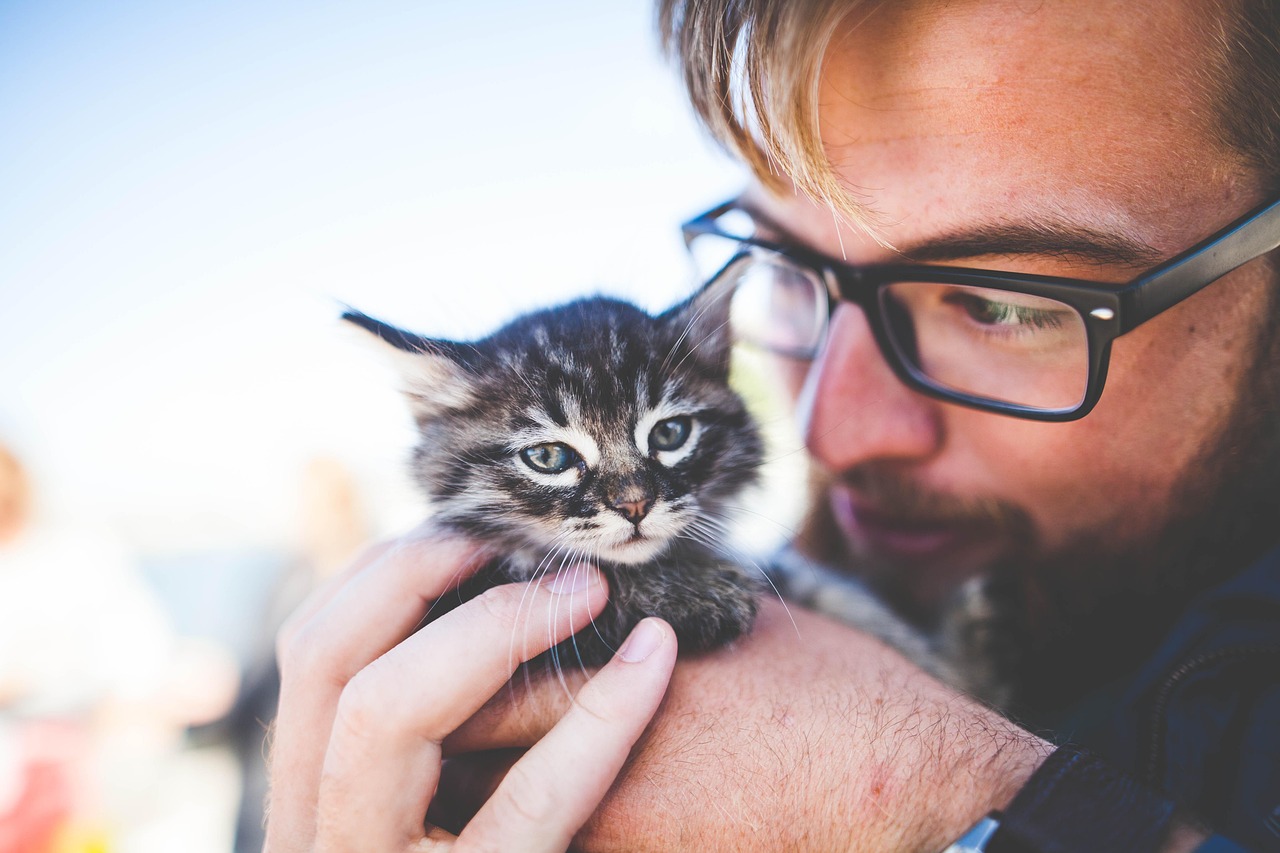
Taking the leap into small pet ownership is exciting! Hamsters, guinea pigs, rabbits, gerbils, and other pint-sized companions can bring immense joy and enrichment to our lives. But caring for these creatures responsibly requires knowledge, dedication, and a commitment to their well-being. This guide offers essential small pet care tips to help you provide the best possible life for your furry (or scaly!) friend.
Creating the Perfect Home for Your Small Pet
Providing a comfortable and stimulating habitat is the foundation of good small pet care. The right enclosure will significantly impact your pet’s physical and mental health.
Choosing the Right Cage or Enclosure
- Size Matters: Don’t underestimate the space your pet needs. A common mistake is selecting a cage that’s too small. Larger cages allow for exercise, exploration, and separation of living and bathroom areas.
Example: A single guinea pig needs at least 7.5 square feet of cage space, while a rabbit requires a minimum of 8 square feet.
- Material Considerations: Wire cages, plastic enclosures, and glass tanks each have pros and cons. Consider ventilation, ease of cleaning, and your pet’s chewing habits.
Wire cages: Offer excellent ventilation but can be uncomfortable for small feet. Choose cages with a solid bottom or provide a soft bedding layer.
Plastic enclosures: Easy to clean but may lack ventilation. Ensure adequate airflow to prevent ammonia buildup.
Glass tanks: Offer good visibility but can be heavy and prone to condensation if not properly ventilated.
- Safety First: Ensure the cage is secure and prevents escapes. Avoid cages with large bar spacing that could trap your pet’s limbs.
Example: Rabbits are surprisingly adept at escaping poorly designed cages. Double-check latches and ensure the cage is sturdy.
Essential Cage Accessories
- Bedding: Provides comfort, absorbs waste, and allows for burrowing (depending on the species). Choose appropriate bedding materials like paper-based bedding, aspen shavings (avoid cedar and pine, which are harmful), or fleece liners.
Tip: Spot clean soiled bedding daily and replace all bedding regularly to maintain a hygienic environment.
- Food and Water Dishes: Opt for heavy ceramic dishes that are difficult to tip over. Provide fresh, clean water daily using a water bottle or bowl.
Example: Guinea pigs often contaminate water bowls with food. Regularly clean and refill the bowl to prevent bacterial growth.
- Hiding Places: Provide enclosed spaces where your pet can feel safe and secure. Cardboard boxes, tunnels, and commercially available hides are good options.
Benefit: Reducing stress and anxiety, promoting a sense of security.
- Toys and Enrichment: Stimulate your pet’s mind and prevent boredom with toys, chews, and climbing structures.
Example: Provide rabbits with cardboard boxes to chew on and tunnels to explore. Offer hamsters a running wheel and chew toys.
Nutrition: Feeding Your Small Pet Right
A balanced diet is crucial for your small pet’s health and longevity. Understanding their specific nutritional needs is paramount.
Understanding Species-Specific Dietary Needs
- Rabbits and Guinea Pigs: Primarily herbivores, requiring a diet high in fiber. The bulk of their diet should consist of high-quality hay (Timothy hay is recommended), supplemented with fresh vegetables and a small amount of pellets.
Key point: Unlimited access to hay is essential for dental health and digestive function.
- Hamsters and Gerbils: Omnivores, requiring a mix of grains, seeds, vegetables, and protein. Choose a commercially formulated hamster or gerbil food that provides a balanced diet. Supplement with small amounts of fresh vegetables and occasional protein sources like mealworms.
- Rats and Mice: Omnivores with similar dietary needs to hamsters and gerbils. Choose a commercially formulated rat or mouse food as the base of their diet.
Important Note: Avoid feeding your pet sugary treats or human junk food. These can lead to obesity, dental problems, and other health issues.
Creating a Balanced Feeding Schedule
- Consistent Feeding Times: Establish a regular feeding schedule to provide your pet with a sense of security and predictability.
- Portion Control: Overfeeding can lead to obesity. Follow the feeding guidelines on your pet food packaging and adjust as needed based on your pet’s weight and activity level.
- Fresh Water Daily: Always provide fresh, clean water. Check the water bottle or bowl regularly and refill as needed.
Tip: Clean water bottles and bowls frequently to prevent algae and bacteria growth.
Safe and Unsafe Foods
- Safe Foods: Consult a reliable resource to determine which fruits, vegetables, and herbs are safe for your specific pet.
Example: Carrots, lettuce (romaine is better than iceberg), and parsley are generally safe for rabbits and guinea pigs in moderation.
- Unsafe Foods: Many common foods are toxic to small pets.
Example: Avocado, chocolate, onions, and garlic are toxic to many small animals. Consult a veterinarian or reputable online resource for a comprehensive list of unsafe foods.
Health and Hygiene: Keeping Your Pet Clean and Healthy
Regular grooming, cage cleaning, and health monitoring are essential for preventing illness and maintaining your pet’s well-being.
Regular Grooming Practices
- Brushing: Regularly brush your pet’s fur to remove loose hair and prevent matting, especially for long-haired breeds.
Example: Long-haired guinea pigs require daily brushing to prevent mats and tangles.
- Nail Trimming: Trim your pet’s nails regularly to prevent them from becoming overgrown and causing discomfort. Use nail clippers specifically designed for small animals.
Caution: Be careful not to cut the quick (the blood vessel in the nail), which can cause bleeding and pain. If you’re unsure how to trim your pet’s nails, consult a veterinarian or groomer.
- Ear Cleaning: Check your pet’s ears regularly for signs of wax buildup or infection. Clean gently with a cotton ball moistened with a veterinarian-approved ear cleaning solution.
Maintaining a Clean Living Environment
- Daily Spot Cleaning: Remove soiled bedding and waste daily to prevent ammonia buildup and odors.
- Regular Cage Cleaning: Thoroughly clean the entire cage or enclosure at least once a week. Remove all bedding, scrub the cage with soap and water, and rinse thoroughly before replacing with fresh bedding.
Tip: Use a pet-safe disinfectant to kill bacteria and viruses.
- Food and Water Dish Hygiene: Wash food and water dishes daily with soap and water.
Recognizing Signs of Illness
- Changes in Appetite or Water Intake: A sudden decrease or increase in appetite or water intake can be a sign of illness.
- Lethargy or Weakness: If your pet is less active than usual or appears weak, it could be a sign of a health problem.
- Respiratory Issues: Watch for signs of respiratory problems like sneezing, coughing, or labored breathing.
- Changes in Stool or Urine: Diarrhea, constipation, or changes in urine color or frequency can indicate a health issue.
- Skin Problems: Look for signs of skin problems like hair loss, itching, or redness.
- Abnormal Behavior: Any unusual behavior can be a sign of illness or distress.
Actionable Takeaway: If you notice any signs of illness, consult a veterinarian experienced in treating small animals immediately. Early diagnosis and treatment can significantly improve your pet’s chances of recovery.
Socialization and Enrichment: Providing Mental Stimulation
Small pets, despite their size, need mental stimulation and socialization to thrive. Preventing boredom and loneliness is crucial for their well-being.
Providing Social Interaction
- Companionship: Some small pets, like guinea pigs, are social animals and benefit from having a companion of their own species. Others, like hamsters, are solitary and prefer to live alone. Research your pet’s species-specific social needs and provide appropriate companionship (or lack thereof).
- Human Interaction: Spend time interacting with your pet daily. Talk to them, pet them (if they enjoy it), and play with them.
Example: Even solitary hamsters benefit from gentle handling and interaction with their owners.
Enrichment Activities
- Toys and Chews: Provide a variety of toys and chews to keep your pet entertained and stimulated. Rotate toys regularly to prevent boredom.
- Foraging Opportunities: Encourage natural foraging behaviors by hiding food in different areas of the cage or providing puzzle feeders.
- Exploring New Environments: Allow your pet to explore a safe and supervised area outside of their cage regularly.
Example: Supervise rabbits in a bunny-proofed room, or provide a playpen for guinea pigs.
Training and Bonding
- Positive Reinforcement: Use positive reinforcement techniques like treats and praise to train your pet.
Example: You can teach rabbits to come when called or use a litter box with positive reinforcement.
- Building Trust: Be patient and gentle when handling your pet. Avoid sudden movements or loud noises that could scare them.
Benefit: A strong bond between you and your pet will enhance their well-being and your enjoyment of pet ownership.
Conclusion
Providing excellent care for your small pet involves creating a comfortable habitat, feeding them a proper diet, maintaining their health and hygiene, and providing ample mental stimulation. By following these small pet care tips, you can ensure your furry, scaly, or feathered friend lives a happy, healthy, and fulfilling life. Remember, responsible pet ownership is a commitment to providing the best possible care for your animal companion throughout their life. Consult with a veterinarian experienced in small animal care for personalized advice and guidance.