

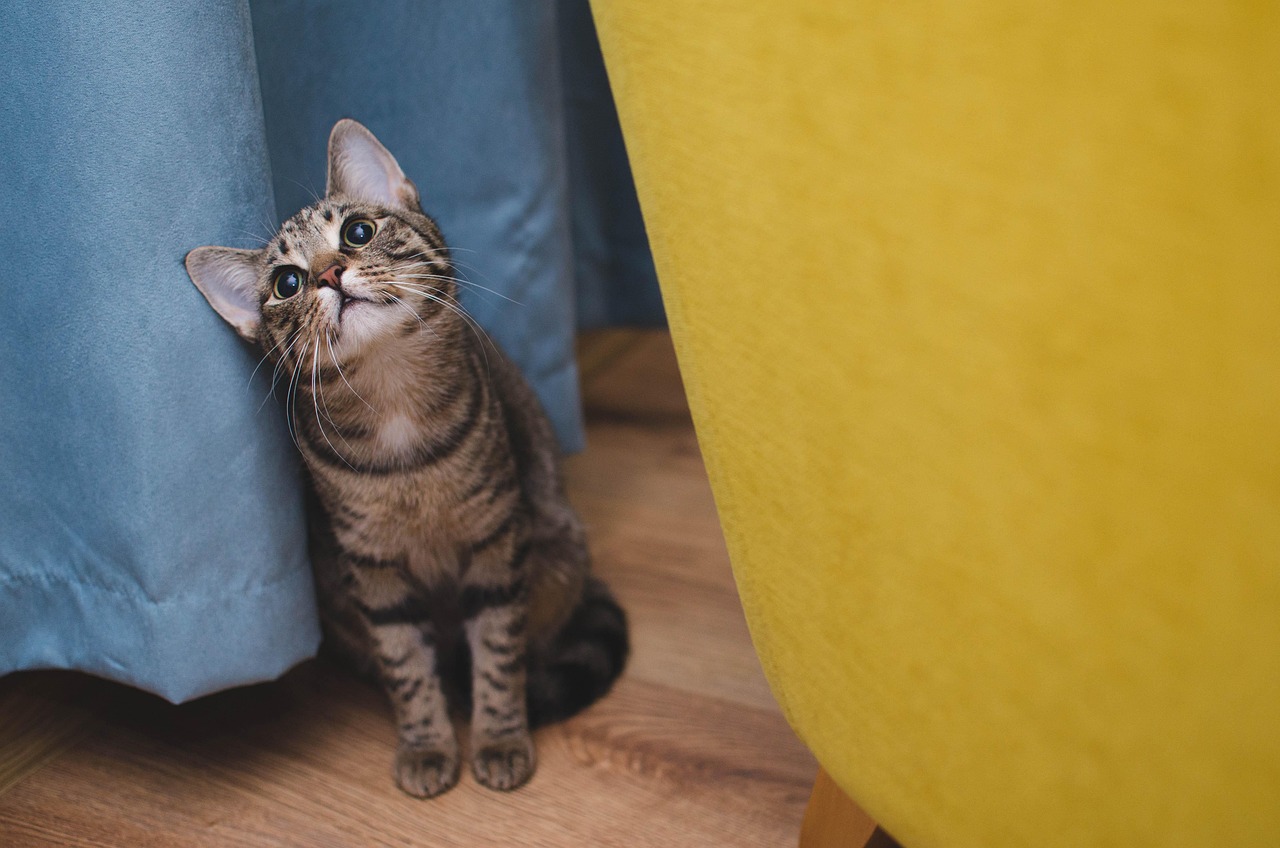
The sun is shining, the birds are singing, and your furry friend is practically bouncing off the walls with pent-up energy. Sound familiar? Outdoor playtime is crucial for a pet’s physical and mental well-being. However, ensuring that playtime is both fun and safe requires planning and knowledge. This guide provides comprehensive tips to make your pet’s outdoor adventures enjoyable and secure.
Safety First: Preparing for Outdoor Play
Taking your pet outside for playtime offers a world of exciting opportunities, but it’s crucial to prioritize their safety. Proper preparation can prevent accidents and ensure a positive experience.
Health Check & Vaccinations
- Regular Vet Visits: Ensure your pet is up-to-date on vaccinations and parasite prevention. Consult your vet about appropriate vaccines for your region and lifestyle, such as Lyme disease, kennel cough, or rabies. A healthy pet is a happy and safe pet!
- Parasite Prevention: Fleas, ticks, and heartworms are common outdoor threats. Implement a year-round parasite prevention plan recommended by your veterinarian. This might involve topical treatments, oral medications, or injectable preventatives.
- Microchipping is Essential: Even well-trained pets can become lost. A microchip significantly increases the chances of being reunited with your furry companion if they wander off. Ensure your contact information associated with the microchip is always current.
Secure Environment
- Fenced Yard Inspection: Regularly inspect your fence for any gaps, holes, or weak spots that your pet could escape through. Repair any damages promptly. Remember that small puppies and kittens can squeeze through incredibly small spaces!
- Toxic Plants: Many common garden plants are poisonous to pets. Research and remove any potentially toxic plants from your yard, such as lilies, azaleas, rhododendrons, and sago palms. The ASPCA website has a comprehensive list.
- Hazardous Materials: Securely store any chemicals, fertilizers, pesticides, or cleaning supplies out of reach of your pet. Even small amounts of these substances can be harmful if ingested.
- Water Access: Always provide fresh, clean water, especially during warm weather. Dehydration can be a serious risk during outdoor activities. Consider using a portable water bowl for walks and park visits.
Leash and Identification
- Proper Leash & Collar: Invest in a sturdy leash and a well-fitting collar or harness. The collar should have clear identification tags with your pet’s name, your phone number, and address.
- Reflective Gear: For walks during dawn, dusk, or at night, use reflective collars, leashes, or vests to increase visibility and ensure your pet is seen by cars and pedestrians.
Fun and Engaging Activities
Once you’ve ensured a safe environment, it’s time to plan some fun activities! Engaging your pet in stimulating outdoor play keeps them happy, healthy, and well-behaved.
Fetch and Retrieve
- Classic for a Reason: Fetch is a fantastic way to burn energy and improve your pet’s coordination. Use a durable ball, frisbee, or other toy that is appropriately sized for your pet.
- Vary the Terrain: Play fetch in different locations, such as your yard, a park, or even a shallow body of water. Changing the environment keeps things interesting and challenges your pet’s abilities.
- Training Opportunities: Use fetch as an opportunity to reinforce basic commands like “sit,” “stay,” and “come.” This reinforces training and strengthens your bond.
Agility Training at Home
- DIY Obstacle Course: Create a simple agility course using household items like cardboard boxes, chairs, and hula hoops. This provides mental stimulation and physical exercise.
- Start Simple: Begin with basic obstacles and gradually increase the difficulty as your pet progresses. Focus on positive reinforcement and reward success.
- Formal Agility: Consider enrolling in a formal agility class for more structured training and a challenging activity for both you and your pet.
Explore and Sniff
- Let Them Lead: Allow your pet to explore their surroundings and sniff to their heart’s content. Sniffing is a crucial form of mental stimulation for dogs and helps them gather information about their environment.
- Hide-and-Seek: Hide treats or toys around your yard and encourage your pet to find them. This engages their sense of smell and provides mental enrichment.
- Puzzle Toys: Use puzzle toys filled with treats to encourage problem-solving skills and keep your pet entertained. There are many different puzzle toys available, ranging in difficulty.
Weather Considerations
Outdoor play is heavily influenced by the weather. It’s crucial to adjust your activities based on temperature, humidity, and other environmental factors to protect your pet’s health.
Hot Weather
- Avoid Midday Heat: Exercise your pet during the cooler hours of the day, such as early morning or late evening. Avoid strenuous activity during the hottest part of the day.
- Recognize Heatstroke Symptoms: Learn the signs of heatstroke in pets, including excessive panting, drooling, vomiting, and weakness. If you suspect heatstroke, seek immediate veterinary care.
- Pavement Temperature: Be mindful of hot pavement, which can burn your pet’s paws. Test the pavement temperature with your hand – if it’s too hot for you, it’s too hot for them. Consider using paw protection like booties.
- Shade and Water: Always provide access to shade and fresh water. A kiddie pool can provide a fun way for your pet to cool off.
Cold Weather
- Limit Exposure: Shorten outdoor playtime during extremely cold weather to prevent hypothermia and frostbite. Smaller breeds and short-haired pets are particularly susceptible to cold-related illnesses.
- Protective Clothing: Consider using a coat or sweater for pets that are sensitive to the cold. Paw protection can also help prevent injuries from ice and snow.
- Antifreeze Safety: Antifreeze is highly toxic to pets. Clean up any spills immediately and store antifreeze securely out of reach.
- Wipe Down Paws: After walks in snowy or icy conditions, wipe down your pet’s paws to remove salt and de-icing chemicals, which can be irritating or toxic if ingested.
Rainy Weather
- Indoor Alternatives: On rainy days, opt for indoor playtime with puzzle toys, interactive games, or training sessions.
- Rain Gear: If you must go outside, consider using a raincoat or umbrella to keep your pet dry and comfortable.
- Towel Dry: Always towel dry your pet thoroughly after being outside in the rain to prevent them from getting chilled.
- Muddy Paws: Keep old towels near the door to wipe muddy paws before your pet tracks dirt throughout the house.
Post-Playtime Care
The fun doesn’t stop when playtime ends! Proper post-playtime care is essential for ensuring your pet remains healthy and comfortable.
Hydration and Nutrition
- Replenish Fluids: Encourage your pet to drink water after exercise to replenish fluids lost through panting and sweating (primarily through their paws).
- Adjust Food Intake: Adjust your pet’s food intake based on their activity level. Active pets may require more calories to maintain their energy levels.
Grooming and Inspection
- Check for Ticks and Fleas: Thoroughly check your pet for ticks and fleas after spending time outdoors. Use a flea comb to remove any parasites.
- Paw Care: Inspect your pet’s paws for any cuts, abrasions, or foreign objects. Clean and disinfect any wounds.
- Brush and Bath: Regular brushing helps remove dirt, debris, and loose fur. A bath may be necessary if your pet is particularly dirty or muddy.
Relaxation and Rest
- Provide a Comfortable Resting Place: Ensure your pet has a comfortable and quiet place to rest after playtime.
- Avoid Overexertion: Monitor your pet for signs of fatigue or overexertion. Allow them to rest and recover as needed.
- Mental Cool Down: Just like physical exercise, mental stimulation can also be tiring. Allow your pet time to decompress after engaging in mentally stimulating activities.
Conclusion
Outdoor playtime is an essential component of a happy and healthy life for your pet. By prioritizing safety, engaging in stimulating activities, considering weather conditions, and providing proper post-playtime care, you can ensure that your pet’s outdoor adventures are both fun and beneficial. Remember to always supervise your pet, be aware of their limitations, and adapt your activities to their individual needs. With a little planning and preparation, you can create unforgettable outdoor experiences for your beloved companion!