

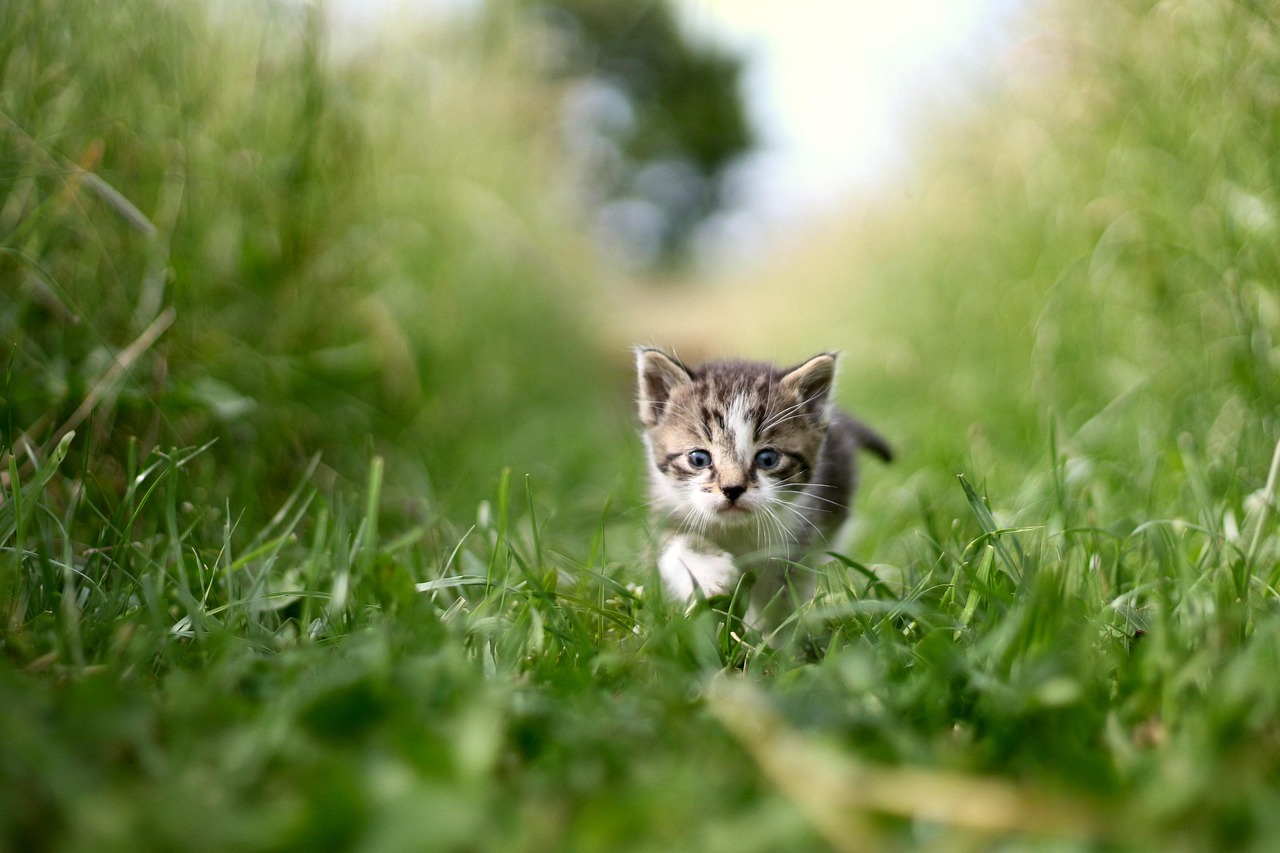
Creating engaging and safe toys for your furry friends doesn’t have to break the bank. In fact, crafting homemade pet toys is a fantastic way to repurpose household items, stimulate your pet’s mind, and strengthen the bond between you. It’s also a great way to ensure the materials used are safe and non-toxic. From simple chew toys to complex puzzle feeders, the possibilities are endless. This guide will provide you with creative and easy-to-follow ideas for crafting fun and engaging toys for your beloved pets.
Why Make Homemade Pet Toys?
Cost-Effectiveness
- Homemade toys are significantly cheaper than store-bought alternatives.
- You can use materials you already have around the house, reducing waste.
- Making toys yourself eliminates the need for frequent replacements due to damage.
Safety and Control
- You have complete control over the materials used, ensuring they are non-toxic and safe for your pet.
- Avoid potentially harmful small parts or materials that could pose a choking hazard.
- Customization allows for tailoring the toy to your pet’s specific needs and preferences.
Environmental Friendliness
- Repurpose old clothing, cardboard boxes, and other household items, reducing landfill waste.
- Choose eco-friendly and sustainable materials for a greener approach to pet care.
- Reduce the carbon footprint associated with the manufacturing and transportation of mass-produced toys.
Bonding and Engagement
- The process of creating toys together (especially if your pet is supervising!) strengthens your bond.
- Observe your pet’s play style to tailor the toys to their specific interests and preferences.
- Homemade toys often hold more sentimental value, creating a deeper connection with your pet.
DIY Dog Toy Ideas
Braided Fleece Toys
- Materials: Old fleece blankets or fabric scraps, scissors.
- Instructions:
1. Cut the fleece into long strips (approximately 2-3 inches wide).
2. Gather three strips and tie a knot at one end.
3. Braid the strips tightly together, just like braiding hair.
4. Secure the other end with another knot.
5. Trim any excess fabric.
- Benefits: Soft, durable, and perfect for chewing and tugging.
T-Shirt Ball
- Materials: Old T-shirts, scissors, rubber band (optional).
- Instructions:
1. Cut the T-shirts into strips.
2. Roll the strips into a tight ball, securing it with a rubber band as you go (if desired for added security).
3. Alternatively, tie the strips tightly to create a knotted ball.
- Benefits: Soft, washable, and provides a satisfying chewing experience.
Plastic Bottle Crunch Toy
- Materials: Empty plastic water bottle, old sock, string or ribbon.
- Instructions:
1. Ensure the plastic bottle is clean and dry.
2. Place the bottle inside the sock.
3. Tie the open end of the sock securely with string or ribbon.
4. Supervise your dog closely when playing with this toy, especially if they are heavy chewers, to prevent ingestion of plastic.
- Benefits: The crunchy sound provides auditory stimulation, and the soft exterior makes it safe to chew. Important: Regularly check the toy for damage and replace it as needed.
Treat Puzzle Toy
- Materials: Muffin tin, tennis balls or similar-sized toys.
- Instructions:
1. Place treats in the muffin tin cups.
2. Cover the treats with the tennis balls.
3. Encourage your dog to figure out how to remove the balls to get the treats.
- Benefits: Mental stimulation, encourages problem-solving skills, and slows down eating.
DIY Cat Toy Ideas
Sock Fish with Catnip
- Materials: Clean sock, catnip, stuffing (cotton balls, fabric scraps), needle and thread.
- Instructions:
1. Cut the sock into a fish shape.
2. Sew the edges together, leaving a small opening.
3. Stuff the fish with stuffing and catnip.
4. Sew the opening closed securely.
- Benefits: The catnip entices cats to play, and the soft texture is perfect for batting and pouncing.
Cardboard Box Maze
- Materials: Various sized cardboard boxes, scissors, tape.
- Instructions:
1. Cut holes in the boxes to create tunnels and pathways.
2. Tape the boxes together to create a maze-like structure.
3. Place treats or toys inside the maze to encourage exploration.
- Benefits: Provides mental stimulation, encourages exploration, and satisfies natural curiosity.
Feather Wand Toy
- Materials: Dowel rod or stick, string or ribbon, feathers, hot glue.
- Instructions:
1. Attach the string or ribbon to the end of the dowel rod.
2. Glue the feathers to the end of the string or ribbon.
3. Ensure the feathers are securely attached to prevent them from being ingested.
- Benefits: Encourages active play, satisfies hunting instincts, and provides interactive fun. Important: Always supervise play with wand toys to prevent ingestion of small parts.
Toilet Paper Roll Treat Dispenser
- Materials: Empty toilet paper roll, scissors, treats.
- Instructions:
1. Fold in one end of the toilet paper roll to close it.
2. Add treats inside the roll.
3. Fold in the other end to seal the treats inside.
4. Cut a few small holes in the roll to allow the treats to fall out as your cat bats it around.
- Benefits: Encourages active play, provides mental stimulation, and rewards playful behavior.
Important Safety Considerations
Material Selection
- Choose non-toxic materials that are safe for your pet to ingest in small amounts.
- Avoid small parts that could be choking hazards, such as buttons, beads, or loose stuffing.
- Use durable fabrics that won’t easily tear or shred.
Supervision During Play
- Always supervise your pet when they are playing with homemade toys, especially for the first time.
- Monitor their play style and ensure they are not destroying the toy and ingesting pieces.
- Regularly inspect toys for damage and replace them as needed.
Cleaning and Maintenance
- Wash fabric toys regularly to prevent the buildup of bacteria and odors.
- Disinfect plastic toys with a pet-safe cleaner.
- Replace toys that are damaged or pose a safety risk.
Allergies and Sensitivities
- Be mindful of any allergies or sensitivities your pet may have when selecting materials.
- Avoid using materials that could cause skin irritation or allergic reactions.
- Consider using hypoallergenic materials, such as organic cotton or bamboo.
Conclusion
Creating homemade pet toys is a rewarding and cost-effective way to provide enrichment and entertainment for your furry companions. By using readily available materials and following simple instructions, you can craft a variety of toys tailored to your pet’s specific needs and preferences. Remember to prioritize safety by selecting non-toxic materials, supervising play, and regularly inspecting toys for damage. Not only will you save money and reduce waste, but you’ll also strengthen the bond with your pet through shared playtime and creative engagement. So, get crafty and unleash your inner toy maker to bring joy and excitement to your pet’s life!