

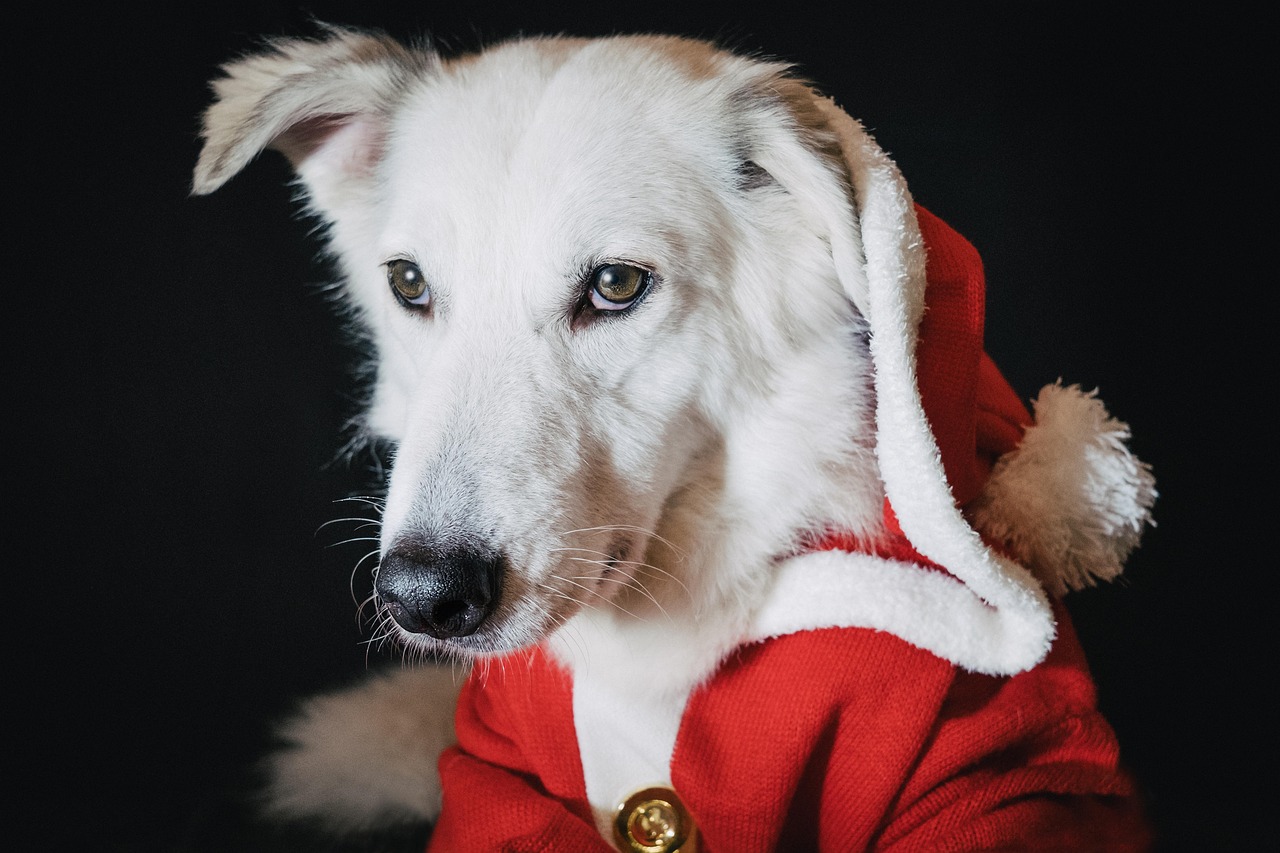
Training your dog shouldn’t feel like a chore! Engaging training games can transform your sessions from a rigid obligation into a fun, bonding experience for both you and your furry friend. By incorporating play into learning, you can keep your dog motivated, focused, and eager to please, all while strengthening your relationship and reinforcing good behavior. Get ready to ditch the drills and discover a world of playful training that will make your dog the smartest and happiest pup on the block!
Why Use Games for Dog Training?
Benefits of Game-Based Training
Games aren’t just fun; they’re an incredibly effective training tool. Here’s why:
- Increased Engagement: Dogs are naturally more engaged and motivated when they’re playing, leading to better focus and faster learning. Think of it as positive reinforcement through intrinsic reward.
- Strengthened Bond: Playing together fosters a stronger bond between you and your dog. It builds trust and creates positive associations with training.
- Reduced Stress: Games take the pressure off, making training less stressful for both you and your dog. A relaxed learning environment is always more conducive to success.
- Improved Recall: Many games involve recall, which is one of the most important commands to teach your dog for safety and control.
- Mental Stimulation: Games challenge your dog’s mind, preventing boredom and promoting cognitive health. A tired mind is just as important as a tired body! Studies show that mentally stimulated dogs exhibit fewer behavioral problems.
Important Considerations Before Starting
Before diving into the games, keep these points in mind:
- Start Simple: Begin with easy games and gradually increase the difficulty as your dog progresses.
- Keep Sessions Short: Short, frequent sessions are more effective than long, drawn-out ones. Aim for 5-10 minute sessions, especially when starting.
- Use Positive Reinforcement: Reward your dog with treats, praise, or toys when they perform the desired behavior. Avoid punishment, which can create fear and anxiety.
- End on a Positive Note: Always end the session with a game your dog excels at, leaving them feeling successful and motivated.
- Be Patient: Every dog learns at their own pace. Be patient and celebrate small victories along the way.
The “Find It” Game: Nose Work Fun
How to Play “Find It”
This game is a fantastic way to engage your dog’s sense of smell and practice recall.
Variations and Progression
- Hidden Treats: Hide treats around the room and let your dog sniff them out.
- Scent Work: Introduce different scents (like essential oils) and train your dog to find the one you specify.
- Outdoor “Find It”: Take the game outdoors and hide toys or treats in the grass or under bushes.
Key Benefits of “Find It”
- Develops scent detection skills
- Improves focus and concentration
- Enhances recall skills
- Provides mental stimulation
The “Shell Game”: Cognitive Challenge
Setting Up the Shell Game
The shell game, also known as the cup game, is a classic that tests your dog’s cognitive abilities and memory.
Progressing the Difficulty
- Increase the number of cups: Start with two, then three, and gradually add more as your dog gets better.
- Increase the shuffling speed: Shuffle the cups faster to make the game more challenging.
- Introduce distractions: Play the game in a more distracting environment to test your dog’s focus.
Cognitive Benefits and More
- Enhances problem-solving skills
- Improves memory and concentration
- Builds confidence
- Encourages observation skills
“Clean Up Time”: Teaching Responsibility
Step-by-Step Guide to “Clean Up”
This game teaches your dog to put their toys away, which is both practical and mentally stimulating.
Tips for Success
- Use a specific cue word: Choose a consistent cue word like “Clean up” or “Tidy up.”
- Start with one toy: Begin by teaching your dog to put away one toy at a time.
- Make it a routine: Incorporate “Clean up time” into your daily routine.
- Break it down into smaller steps: If your dog is struggling, break the task down into smaller, more manageable steps.
Benefits of “Clean Up Time”
- Teaches responsibility and obedience
- Provides mental and physical exercise
- Keeps your home tidy
- Strengthens the bond between you and your dog
Obstacle Course Fun: Agility at Home
Creating a Simple Obstacle Course
You don’t need professional agility equipment to create a fun and challenging obstacle course for your dog. Use household items like:
- Pillows or cushions: For jumping over.
- Chairs or stools: For weaving around.
- Blankets or towels: For crawling under.
- Hula hoops: For jumping through.
Running the Course
Benefits of Agility Training at Home
- Provides physical and mental stimulation
- Improves coordination and balance
- Builds confidence
- Strengthens the bond between you and your dog
- Reinforces basic obedience commands
Conclusion
Incorporating these fun training games into your dog’s routine will not only make learning more enjoyable but also strengthen your bond and improve their overall well-being. Remember to be patient, positive, and consistent, and most importantly, have fun! Experiment with different games and variations to discover what your dog enjoys most. Happy training!