

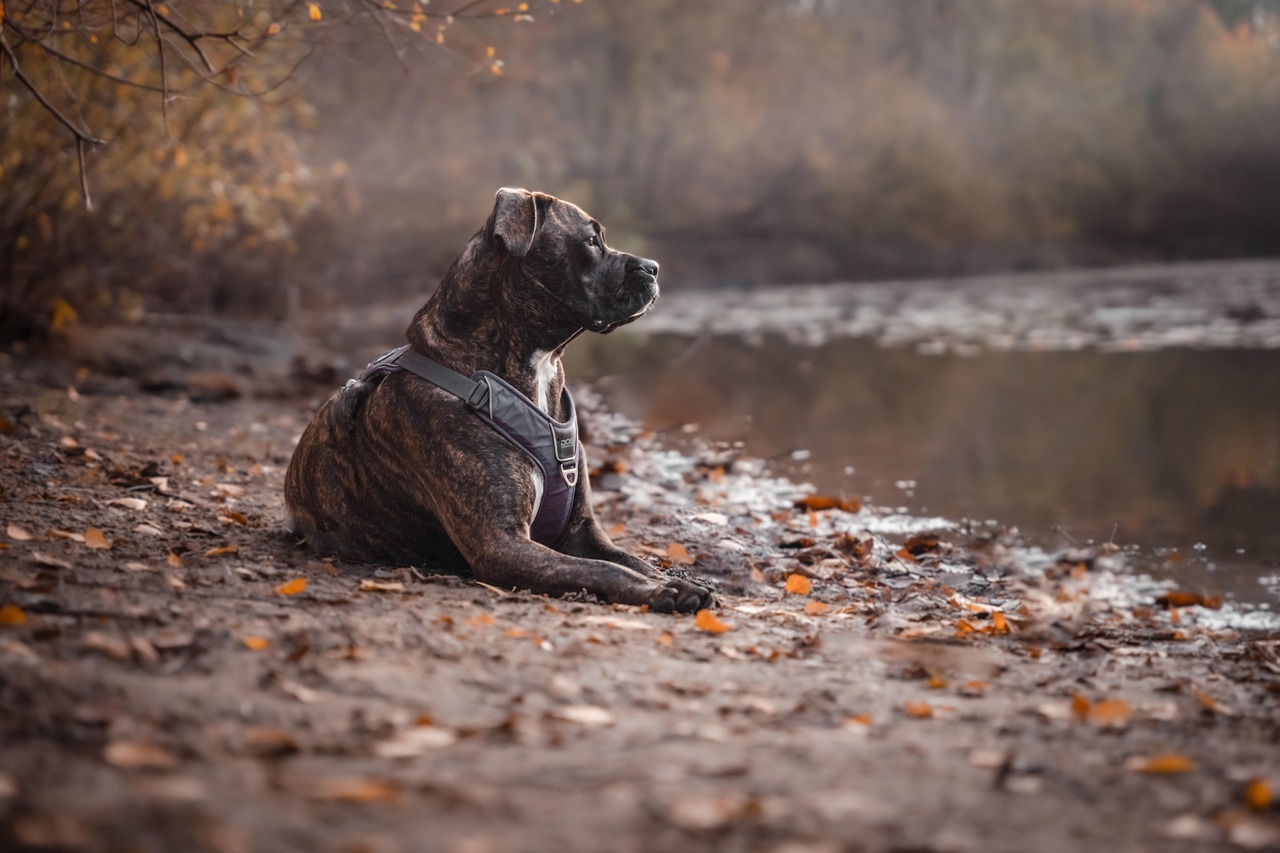
Running with your canine companion can be an incredibly rewarding experience, strengthening your bond while boosting both your physical and mental well-being. However, jumping into a rigorous running routine without proper preparation can lead to injuries for both you and your furry friend. This guide provides essential dog running tips to ensure safe, enjoyable, and effective runs for you and your dog.
Is Your Dog Ready to Run?
Breed Considerations
Not all dogs are built for running. Certain breeds, particularly brachycephalic (short-nosed) breeds like Bulldogs and Pugs, have difficulty breathing, especially during strenuous exercise. Consider your dog’s breed and consult with your veterinarian before embarking on a running program.
- Good Running Breeds: Border Collies, Siberian Huskies, German Shepherds, Vizslas, Labrador Retrievers, and Weimaraners are generally well-suited for running.
- Breeds Requiring Caution: Bulldogs, Pugs, Boxers, and other brachycephalic breeds need careful monitoring and shorter, less intense runs.
- Giant Breeds: Great Danes, Saint Bernards, and other giant breeds are prone to joint issues and should have their running carefully managed, especially when young.
Age and Health
Puppies should not engage in strenuous running until their growth plates are fully closed, usually around 12-18 months, depending on the breed. Senior dogs may have arthritis or other age-related conditions that limit their running ability.
- Puppies: Avoid long distances or high-impact activities that could damage developing joints. Focus on short walks and playtime.
- Adult Dogs: Generally, healthy adult dogs are the best candidates for running. A vet check-up is recommended before starting.
- Senior Dogs: Consult your veterinarian about appropriate exercise levels and consider shorter, slower runs on softer surfaces.
Vet Check-up
Before starting any running program, schedule a veterinary check-up to ensure your dog is healthy enough to participate. Discuss any pre-existing conditions or concerns. Your vet can help determine a safe exercise plan tailored to your dog’s individual needs.
Essential Running Gear for Dogs
Leashes and Harnesses
Choosing the right leash and harness or collar is crucial for a safe and comfortable run.
- Hands-Free Leash: A hands-free leash that attaches around your waist can be beneficial, allowing you to maintain a natural running posture. Look for leashes with bungee sections to absorb shocks. Example: A sturdy belt with a clip for attaching a leash, leaving your hands free.
- Standard Leash: A 4-6 foot leash is ideal for maintaining control and preventing your dog from straying too far. Avoid retractable leashes, as they offer less control.
- Harness vs. Collar: Harnesses are generally preferred for running, as they distribute pressure more evenly across the dog’s chest and avoid putting strain on the neck. Front-clip harnesses can discourage pulling.
Water and Food
Staying hydrated and fueled is essential for both you and your dog, especially during longer runs.
- Portable Water Bowls: Carry a collapsible water bowl and a water bottle for your dog. Offer water every 15-20 minutes, especially in warm weather. Example: A lightweight, silicone bowl that folds flat for easy carrying.
- Dog Treats: Bring small, easily digestible treats for positive reinforcement and to provide a quick energy boost during longer runs.
- Timing: Avoid feeding your dog a large meal immediately before or after running to prevent bloat or digestive issues. Wait at least an hour after feeding before running.
Paw Protection
Pavement and uneven terrain can be tough on your dog’s paws.
- Dog Boots: Consider using dog boots, especially in extreme temperatures or on rough terrain. Introduce them gradually to allow your dog to adjust.
- Paw Balm: Apply paw balm to moisturize and protect your dog’s paws. This can help prevent cracking and soreness.
Building a Running Routine
Gradual Progression
Start slowly and gradually increase the distance and intensity of your runs. Avoid doing too much too soon, as this can lead to injuries.
- Week 1: Begin with short walk-run intervals. For example, walk for 5 minutes, run for 1 minute, and repeat for 20-30 minutes.
- Increase Gradually: Increase the running intervals each week, gradually decreasing the walking intervals. Aim to increase the distance by no more than 10% per week.
- Listen to Your Dog: Pay attention to your dog’s body language. If they’re lagging behind, panting excessively, or showing signs of fatigue, slow down or stop.
Choosing the Right Terrain
Select running routes that are safe and comfortable for your dog.
- Soft Surfaces: Opt for grass, trails, or dirt paths whenever possible, as these are easier on your dog’s joints than pavement.
- Avoid Hot Surfaces: Be mindful of the temperature of the pavement, especially during summer. Hot surfaces can burn your dog’s paws. Run during cooler hours or choose shaded routes.
- Safe Routes: Choose routes that are free from traffic, hazards, and other potential dangers. Keep your dog on a leash at all times, unless you are in a designated off-leash area.
Monitoring Your Dog’s Condition
Observe your dog closely during and after runs for any signs of discomfort or injury.
- Signs of Overexertion: Excessive panting, lagging behind, limping, vomiting, or collapse are all signs that your dog is overexerted.
- Post-Run Recovery: After each run, check your dog’s paws for cuts, abrasions, or blisters. Provide fresh water and allow them to rest.
- Hydration: Ensure your dog drinks water before, during, and after runs to stay properly hydrated.
Addressing Common Issues
Pulling on the Leash
Leash pulling can be frustrating for both you and your dog. Training can help curb this behavior.
- Training Techniques: Use positive reinforcement techniques, such as rewarding your dog for walking nicely on a loose leash. Consider using a front-clip harness to discourage pulling.
- Consistency: Be consistent with your training. Use the same commands and techniques every time you run.
- Professional Help: If you’re struggling with leash pulling, consider working with a professional dog trainer.
Overheating
Dogs are more susceptible to overheating than humans, especially in warm weather.
- Prevention: Run during cooler hours, provide plenty of water, and choose shaded routes.
- Recognizing Heatstroke: Signs of heatstroke include excessive panting, drooling, weakness, vomiting, and collapse.
- Treatment: If you suspect your dog is overheating, immediately stop running, move them to a cool place, offer water, and apply cool water to their body. Seek veterinary attention immediately.
Paw Injuries
Paws are vulnerable to injuries from rough terrain, hot surfaces, or sharp objects.
- Prevention: Use dog boots to protect your dog’s paws. Apply paw balm to moisturize and condition the pads.
- Treatment: Clean any cuts or abrasions with antiseptic soap and water. Apply a bandage if necessary. Seek veterinary attention for more serious injuries.
Conclusion
Running with your dog can be a wonderful way to bond and stay active together. By following these dog running tips, you can ensure that your runs are safe, enjoyable, and beneficial for both you and your furry friend. Remember to consult with your veterinarian before starting any new exercise program and always listen to your dog’s body language. Happy running!