

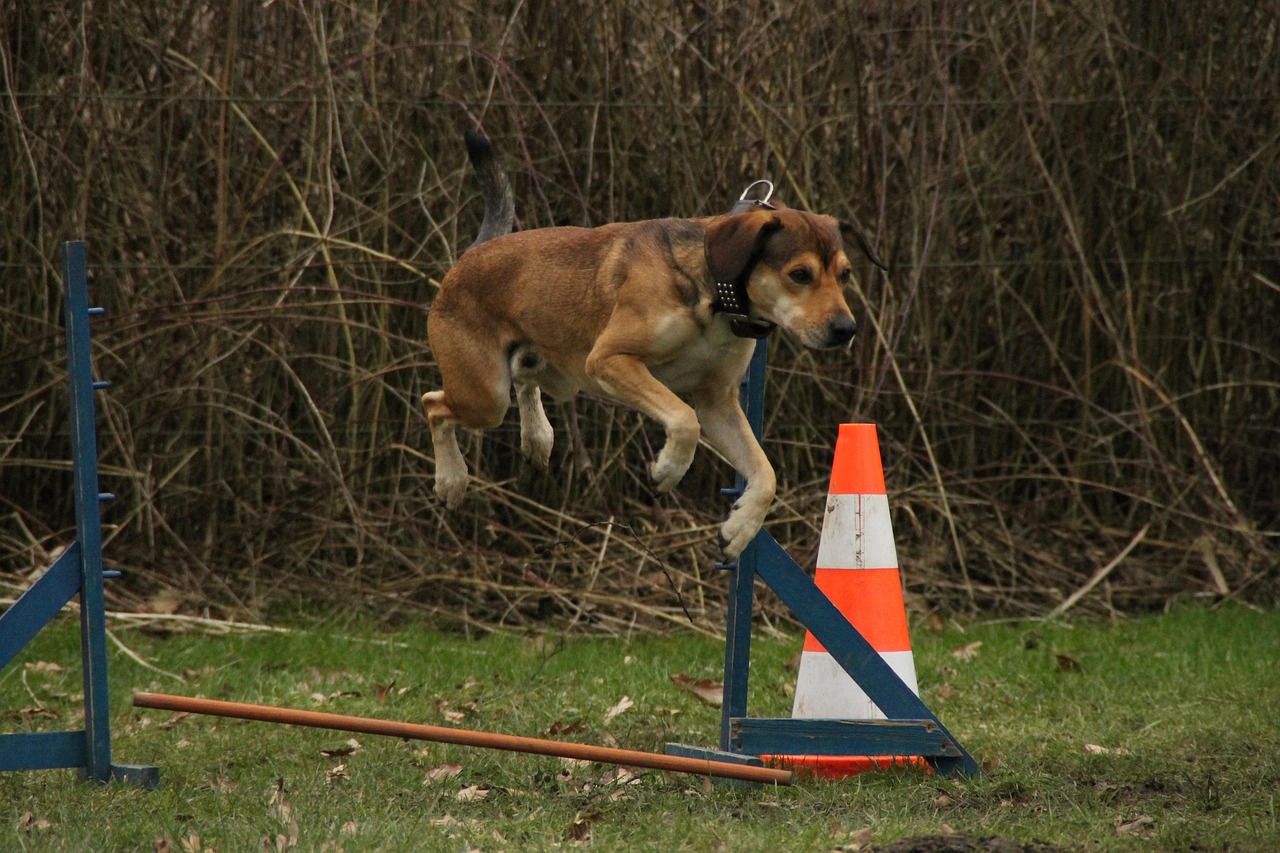
Bringing a new puppy home is an exciting time filled with cuddles, playful nips, and the inevitable puddle on the rug. But beyond the initial charm, lies the important task of training your furry friend. Effective at-home puppy training sets the foundation for a well-behaved, confident companion for years to come. This guide provides a comprehensive approach to training your puppy in the comfort of your own home, covering essential commands, socialization, and troubleshooting common challenges.
Setting Up For Success: Your Puppy Training Environment
A well-prepared environment is crucial for effective puppy training. You want to minimize distractions and create a safe, positive space for learning.
Creating a Puppy-Proof Zone
- Confine your puppy: Use a crate or playpen, especially when you can’t directly supervise them. This helps with housetraining and prevents destructive behavior. Think of it as their den – a safe and comfortable space.
- Remove hazards: Puppies are curious and will chew on anything. Remove electrical cords, toxic plants, and anything else that could be dangerous.
- Provide appropriate chew toys: Offer a variety of chew toys to satisfy their natural chewing instincts. Rotate the toys regularly to keep them interesting. Examples include Kongs, Nylabones, and rope toys.
- Designated potty area: Choose a specific spot in your yard for your puppy to eliminate. Consistency is key for successful housetraining.
Gathering Essential Training Supplies
- High-value treats: Use small, delicious treats that your puppy loves. These should be different from their regular food and used only for training. Examples include small pieces of cooked chicken, cheese, or commercially available puppy training treats.
- Clicker (optional): A clicker can be a valuable tool for marking desired behaviors. The click sound is consistent and helps your puppy understand exactly what they’re being rewarded for.
- Leash and collar/harness: Introduce the leash and collar or harness gradually, associating them with positive experiences.
- Poop bags: Essential for responsible pet ownership!
- Training pouch: Keeps treats readily available and easily accessible.
Essential Puppy Commands: Building a Strong Foundation
Teaching your puppy basic commands is fundamental for their safety and well-being, and strengthens the bond between you.
Sit
- Lure with a treat: Hold a treat near your puppy’s nose and slowly move it upwards and backwards over their head. This will naturally cause them to sit.
- Say the command “Sit” as their rear touches the ground.
- Click (if using a clicker) and give the treat immediately.
- Repeat this several times a day in short sessions. Keep sessions to 5-10 minutes to maintain your puppy’s attention.
- Fade the lure: Gradually reduce your reliance on the treat as a lure and use just the verbal command “Sit.”
Stay
- Start with the “Sit” command.
- Say “Stay” in a calm and firm voice and hold your hand up in a stop gesture.
- Initially, only ask your puppy to stay for a few seconds.
- Gradually increase the duration of the stay.
- Reward your puppy with a treat and praise for remaining in the “Stay” position.
- If your puppy breaks the stay, gently guide them back to the “Sit” position and start again.
Come
- Use a happy and enthusiastic tone of voice.
- Say your puppy’s name followed by “Come!”
- Back away or crouch down to encourage them to come to you.
- Reward them immediately with a treat and lots of praise when they reach you.
- Practice in different locations and with increasing distractions.
- Never use the “Come” command to punish your puppy. You want them to associate coming to you with positive experiences.
Down
- Lure with a treat: Hold a treat near your puppy’s nose and slowly move it down towards the floor.
- As your puppy follows the treat, say the command “Down.”
- Once they are in a down position, click (if using a clicker) and give the treat.
- If your puppy struggles to lie down, try luring them under a low object, like a coffee table.
- Practice in short sessions and reward success.
Housetraining: Establishing a Potty Routine
Housetraining is one of the most important aspects of puppy training. Consistency and patience are key to success. Studies show that puppies can typically control their bladder for the same number of hours as their age in months + 1.
Establishing a Potty Schedule
- Take your puppy outside frequently: First thing in the morning, after meals, after naps, after playtime, and before bedtime.
- Use a designated potty spot: This helps your puppy associate the area with elimination.
- Use a cue word or phrase: Say something like “Go potty” or “Do your business” when you take them to their spot.
- Reward immediately: Praise and reward your puppy immediately after they eliminate outside.
- Clean up accidents thoroughly: Use an enzymatic cleaner to eliminate odors and prevent repeat offenses.
Recognizing the Signs
- Watch for signs that your puppy needs to go out: Circling, sniffing, squatting, whining, or scratching at the door.
- Take them outside immediately if you see these signs.
Preventing Accidents
- Supervise your puppy closely: Especially during the initial stages of housetraining.
- Crate training: A crate can help prevent accidents as puppies are less likely to eliminate in their sleeping area.
- Limit access to areas where accidents have occurred: Until your puppy is reliably housetrained.
Socialization: Exposing Your Puppy to the World
Socialization is crucial for developing a well-adjusted and confident dog. Expose your puppy to a variety of sights, sounds, people, and experiences in a positive and controlled manner.
The Importance of Early Socialization
- Critical socialization period: The first 16 weeks of a puppy’s life are a critical socialization period.
- Reduces fear and aggression: Proper socialization helps prevent fear and aggression later in life.
- Builds confidence: Exposing your puppy to new experiences helps them become more confident and adaptable.
Safe and Positive Exposure
- Introduce new experiences gradually: Don’t overwhelm your puppy.
- Keep it positive: Use treats and praise to create positive associations with new experiences.
- Controlled environments: Start with familiar environments and gradually introduce new ones.
- Puppy classes: Consider enrolling in a puppy socialization class.
- Examples of socialization activities: Meeting new people, interacting with other dogs (ensure vaccinations are up-to-date), riding in the car, hearing different sounds (traffic, sirens, children playing).
Addressing Fearful Reactions
- Don’t force interactions: If your puppy seems fearful, don’t force them to interact.
- Create distance: Increase the distance between your puppy and the source of their fear.
- Offer reassurance: Speak to them in a calm and reassuring voice.
- Pair the scary stimulus with something positive: Such as a treat or toy.
Addressing Common Puppy Problems: Troubleshooting Challenges
Even with diligent training, you may encounter some common puppy problems. Understanding how to address these challenges is crucial for a smooth transition.
Nipping and Biting
- Redirect with a chew toy: When your puppy starts to nip, redirect their attention to a chew toy.
- Yelp loudly: Mimic the sound a puppy makes when they’ve been hurt. This can help them learn bite inhibition.
- Time-out: If nipping continues, remove yourself from the situation and ignore your puppy for a short period.
- Never punish: Punishment can increase aggression and fear.
Excessive Barking
- Determine the cause: Is it boredom, anxiety, territoriality, or attention-seeking?
- Provide adequate exercise and mental stimulation: A tired puppy is less likely to bark out of boredom.
- Ignore attention-seeking barking: Don’t give your puppy attention when they’re barking for it.
- Teach a “Quiet” command: Reward your puppy when they are quiet.
Chewing
- Provide plenty of appropriate chew toys: Rotate the toys to keep them interesting.
- Puppy-proof your home: Remove anything that you don’t want your puppy to chew on.
- Bitter apple spray: Use a bitter apple spray on items that your puppy is tempted to chew on.
Separation Anxiety
- Gradual desensitization: Start by leaving your puppy alone for short periods and gradually increase the duration.
- Provide a safe and comfortable space: Leave them with a favorite toy or chew.
- Avoid making a fuss when leaving or returning: Keep departures and arrivals low-key.
- Consider professional help: If separation anxiety is severe, consult with a veterinarian or certified dog trainer. Studies indicate that up to 20% of dogs exhibit separation anxiety.
Conclusion
Training a puppy at home requires commitment, patience, and consistency. By creating a structured environment, teaching essential commands, prioritizing socialization, and addressing common challenges effectively, you can build a strong bond with your furry friend and set them up for a happy and well-behaved life. Remember to celebrate small victories, stay positive, and enjoy the journey of puppyhood!