

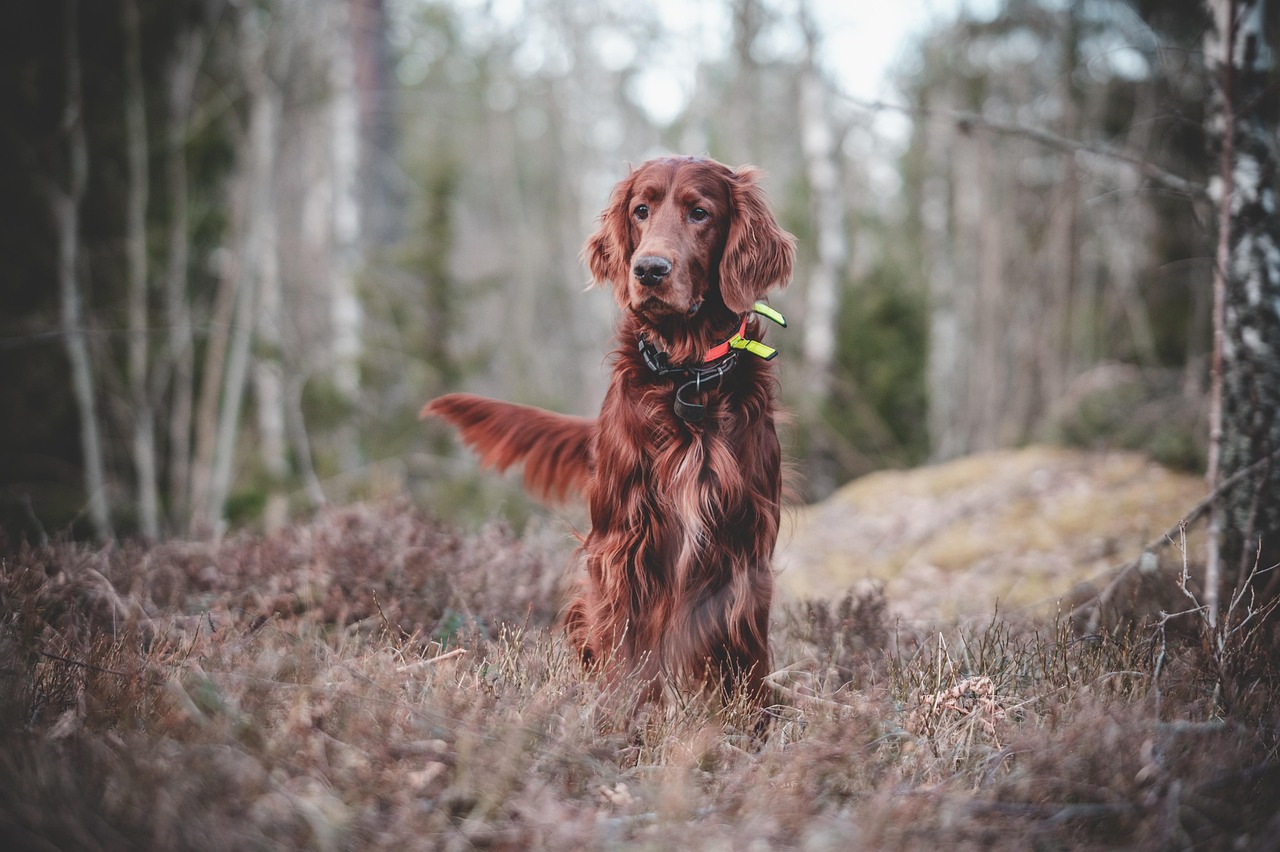
Bringing a new puppy home is an incredibly exciting experience filled with cuddles, playful nips, and a whole lot of learning! Successfully training your puppy at home requires patience, consistency, and a solid understanding of positive reinforcement techniques. This guide will walk you through the essential steps to lay a foundation for a well-behaved and happy companion, making the journey of puppyhood a rewarding one for both of you.
Setting Up Your Puppy’s Training Environment
Creating a Safe and Comfortable Space
Before you even bring your puppy home, prepare a safe and comfortable space for them. This will be their sanctuary, a place where they feel secure and can retreat to when overwhelmed.
- Crate Training: A crate provides a den-like environment. Choose a crate that’s appropriately sized – large enough for your puppy to stand up, turn around, and lie down comfortably.
Make the crate inviting with soft bedding, toys, and a familiar-smelling blanket.
Never use the crate as punishment.
* Feed your puppy meals inside the crate to create positive associations.
- Designated Potty Area: Decide on a specific spot in your yard for your puppy to eliminate. Consistency is key!
- Puppy-Proofing: Remove any potential hazards from your puppy’s reach, such as electrical cords, medications, cleaning supplies, and small objects that could be swallowed. According to the ASPCA, many common household items can be toxic to pets.
Gathering Essential Training Supplies
Having the right tools on hand will make training much smoother and more effective.
- High-Value Treats: Use small, tasty treats that your puppy loves. These will be your primary motivator during training. Examples include small pieces of cooked chicken, cheese, or commercial puppy treats.
- Leash and Collar (or Harness): Get your puppy accustomed to wearing a collar or harness and leash early on. Start with short, supervised sessions.
- Clicker (Optional): Clicker training can be a very effective method for marking desired behaviors.
- Toys: A variety of toys is essential for keeping your puppy entertained and preventing boredom. Choose toys that are safe and appropriate for their age and size.
Mastering the Basics: Potty Training and Crate Training
Potty Training: Building Good Habits
Potty training requires patience and consistency. Accidents are inevitable, but with a structured routine, you can minimize them.
- Establish a Routine: Take your puppy outside frequently, especially after waking up, eating, playing, and before bedtime. Aim for every 2-3 hours initially.
- Positive Reinforcement: When your puppy eliminates outside, praise them enthusiastically and offer a treat immediately. Use a specific command, such as “Go potty!”
- Clean Up Accidents Thoroughly: Use an enzymatic cleaner specifically designed for pet messes to eliminate odors and prevent your puppy from returning to the same spot.
- Supervise Closely: Keep a close eye on your puppy indoors. Watch for signs that they need to go out, such as circling, sniffing, or squatting.
- Crate Training and Potty Breaks: Immediately take your puppy outside to their designated spot after they come out of the crate.
Crate Training: Creating a Safe Haven
Crate training provides a safe and secure space for your puppy while also aiding in potty training and preventing destructive behaviors.
- Introduce the Crate Gradually: Start by leaving the crate door open and tossing treats inside. Encourage your puppy to explore it at their own pace.
- Feed Meals in the Crate: This helps create positive associations with the crate.
- Short Periods of Confinement: Gradually increase the amount of time your puppy spends in the crate. Start with a few minutes and gradually increase the duration.
- Never Use the Crate as Punishment: The crate should be a safe and positive space for your puppy.
- Nighttime Crating: Initially, keep the crate in your bedroom so your puppy feels close to you.
Teaching Essential Commands and Behaviors
Sit, Stay, Come: Foundational Obedience
Teaching basic commands is crucial for building a well-behaved dog and establishing a strong bond with your puppy.
- Sit: Hold a treat in front of your puppy’s nose and slowly move it upwards and backwards over their head. As their head goes up, their rear should naturally go down into a sit position. Say “Sit” as they sit, and reward them with the treat.
- Stay: Once your puppy knows “Sit,” tell them to “Stay” while holding your hand up in a stop gesture. Start with short durations (a few seconds) and gradually increase the time. Reward them for staying in place.
- Come: Use a cheerful tone and say “Come!” while gently tugging on the leash. When your puppy comes to you, praise them enthusiastically and give them a treat. Gradually increase the distance as they become more reliable.
Leash Training: Walking Nicely
Leash training is essential for safe and enjoyable walks.
- Introduce the Leash and Collar/Harness: Allow your puppy to wear the collar/harness and leash indoors for short periods to get them used to it.
- Start in a Quiet Area: Begin training in a quiet, distraction-free environment.
- Reward Loose-Leash Walking: Reward your puppy when they walk beside you with a loose leash. If they pull, stop walking and wait for them to stop pulling before continuing.
- Gradually Increase Distance and Distractions: As your puppy progresses, gradually increase the distance and introduce more distractions.
Addressing Common Puppy Behaviors: Biting and Chewing
Puppies explore the world with their mouths, so biting and chewing are normal behaviors. However, it’s important to teach them appropriate ways to use their mouths.
- Redirect Biting: If your puppy bites you, say “Ouch!” firmly and immediately redirect their attention to a chew toy.
- Provide Plenty of Chew Toys: Offer a variety of chew toys to satisfy your puppy’s chewing instincts.
- Protect Your Belongings: Keep valuable items out of reach and provide appropriate chew toys instead.
- Time-Outs: If biting persists, a short time-out (15-30 seconds) can be effective.
Socialization: Exposing Your Puppy to the World
The Importance of Early Socialization
Socialization is the process of exposing your puppy to a variety of sights, sounds, people, and experiences in a positive and controlled manner. Early socialization is crucial for preventing fear and aggression later in life.
- Critical Socialization Period: The critical socialization period for puppies is between 3 and 16 weeks of age.
- Positive Experiences: Ensure that all socialization experiences are positive and enjoyable for your puppy. Never force them into a situation that makes them uncomfortable.
Safe Socialization Practices
- Puppy Classes: Enroll in a puppy socialization class where your puppy can interact with other puppies in a safe and supervised environment.
- Controlled Introductions: Introduce your puppy to different people, including men, women, and children of varying ages and ethnicities.
- Variety of Environments: Expose your puppy to different environments, such as parks, sidewalks, and car rides.
- Novel Sounds and Sights: Introduce your puppy to various sounds and sights, such as traffic, sirens, and household appliances.
- Veterinarian Consult: Consult with your veterinarian to ensure your puppy is properly vaccinated before exposing them to public areas with unknown dogs.
Conclusion
Training a puppy at home is a rewarding journey that requires patience, consistency, and positive reinforcement. By setting up a safe training environment, mastering basic commands, and prioritizing socialization, you can help your puppy develop into a well-behaved and happy companion. Remember to celebrate your puppy’s successes, be patient with setbacks, and enjoy the process of building a strong bond with your new best friend. Don’t be afraid to seek guidance from a professional dog trainer if you encounter challenges along the way.