

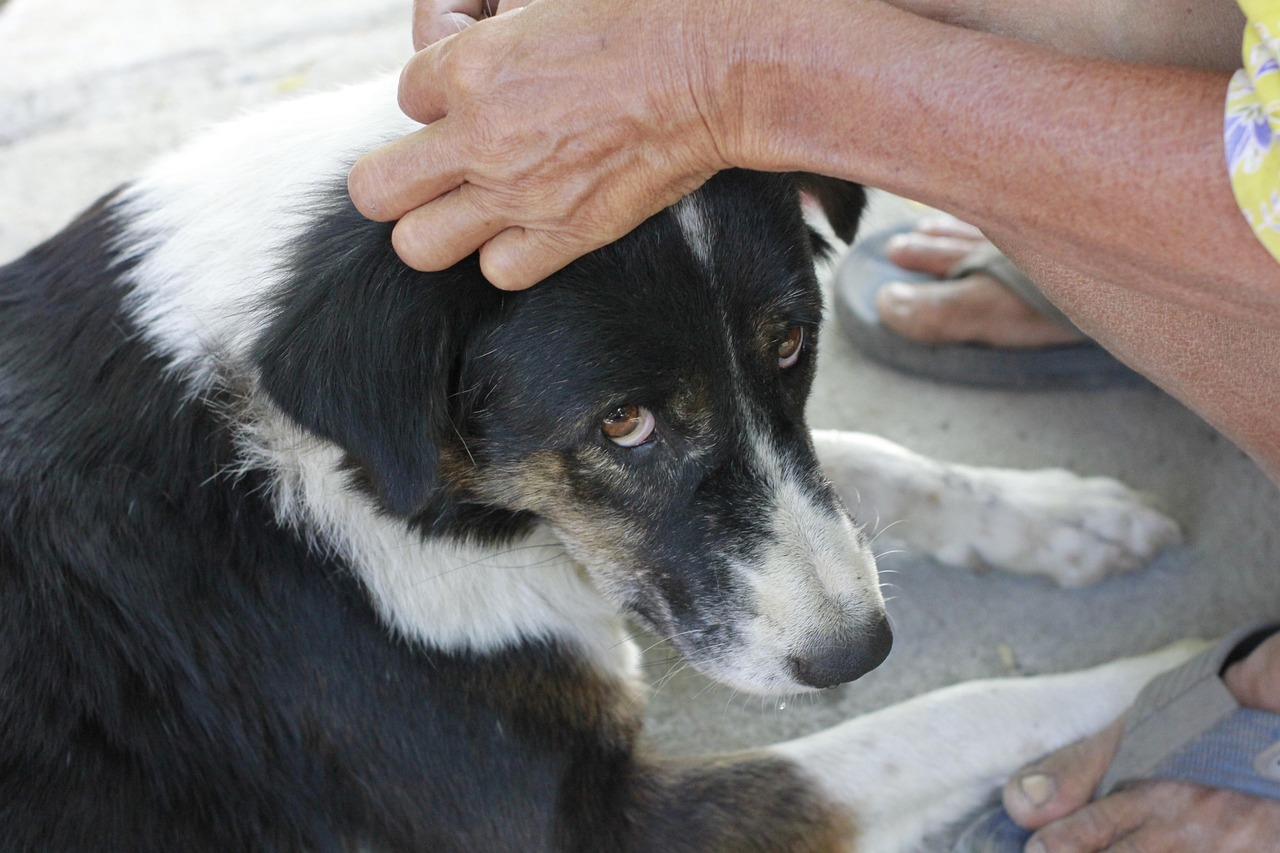
Traveling with your furry, scaled, or feathered friend can be a rewarding experience, creating lasting memories as you explore new destinations together. However, ensuring their safety, comfort, and well-being during the journey requires careful planning and preparation. Neglecting essential pet travel care can lead to unnecessary stress for both you and your beloved companion. This guide provides comprehensive tips and advice for seamless pet travel, covering everything from pre-trip preparations to in-transit care and post-arrival adjustments.
Before You Go: Planning and Preparation
Vet Visit and Health Check
- Comprehensive Examination: Schedule a vet appointment well in advance of your trip. Your veterinarian will perform a thorough check-up to ensure your pet is healthy enough to travel and identify any potential health risks.
- Vaccinations and Documentation: Confirm your pet’s vaccinations are up-to-date. Obtain necessary health certificates and vaccination records, especially if traveling internationally. Some countries have specific requirements, such as rabies titers. For example, the EU requires a pet passport for animals traveling between member states.
- Microchipping and Identification: Ensure your pet is microchipped and that the information registered to the microchip is current. Attach a durable ID tag to your pet’s collar with your contact information and destination details.
- Motion Sickness Considerations: If your pet is prone to motion sickness, consult your vet about anti-nausea medication or natural remedies. Testing the medication before the trip is crucial to observe any side effects.
Choosing the Right Travel Carrier
- Airline-Approved Carriers: If flying, select an airline-approved carrier that meets the size and ventilation requirements of the specific airline. Different airlines have different rules; research carefully.
- Sizing Matters: The carrier should be large enough for your pet to stand, turn around, and lie down comfortably. Measure your pet carefully and compare those measurements to the carrier’s interior dimensions.
- Comfort and Security: Line the carrier with a comfortable, absorbent material, such as a blanket or pee pads. Make sure the carrier is sturdy and secure, preventing accidental escapes.
- Familiarization: Acclimate your pet to the carrier gradually. Start by placing treats and toys inside to create positive associations. Encourage them to spend time in the carrier in the weeks leading up to the trip.
Essential Travel Supplies
- Food and Water: Pack an ample supply of your pet’s regular food and fresh water. Consider collapsible bowls for easy storage and access during travel.
- Medications: Bring all necessary medications, along with prescriptions from your veterinarian. Store medications in their original containers.
- Waste Bags and Litter Box: Pack waste bags for dogs or a portable litter box for cats. Clean up after your pet responsibly.
- First-Aid Kit: Assemble a basic first-aid kit for pets, including antiseptic wipes, bandages, gauze, and any medications recommended by your vet.
- Toys and Comfort Items: Bring your pet’s favorite toys and a familiar blanket or bed to provide comfort and reduce anxiety.
During the Journey: In-Transit Care
Car Travel Tips
- Secure Your Pet: Use a pet seat belt, harness, or carrier to keep your pet safe during car rides. Never allow your pet to roam freely in the vehicle.
- Frequent Breaks: Stop frequently for bathroom breaks and to allow your pet to stretch their legs. Offer water and a small amount of food at each stop.
- Temperature Control: Maintain a comfortable temperature in the car. Avoid leaving your pet unattended in a parked vehicle, especially in hot weather. Even on a mild day, the temperature inside a car can rise rapidly to dangerous levels.
- Prevent Car Sickness: Position your pet so they can see out the window. Consider using a car seat booster for smaller dogs.
Air Travel Considerations
- Airline Regulations: Familiarize yourself with the airline’s pet travel policies regarding size restrictions, breed restrictions, and fees. Many airlines restrict brachycephalic (short-nosed) breeds due to respiratory issues.
- In-Cabin vs. Cargo: If possible, travel with your pet in the cabin rather than as cargo. This allows you to monitor their well-being throughout the flight. However, this option is usually limited to smaller pets in carriers that fit under the seat.
- Direct Flights: Choose direct flights whenever possible to minimize stress and reduce the risk of delays or mishandling.
- Hydration is Key: Offer water to your pet before, during (if possible and safe), and after the flight. Consider using a water bottle with a sipper attachment.
Hotel and Accommodation
- Pet-Friendly Options: Book accommodations that are pet-friendly and understand their specific policies regarding size restrictions, pet fees, and designated pet areas.
- Room Safety: Inspect the room for potential hazards, such as loose wires or poisonous plants.
- Designated Potty Area: Identify a designated potty area outside the hotel and clean up after your pet promptly.
- Avoid Leaving Unattended: Avoid leaving your pet unattended in the hotel room for extended periods, as this can cause anxiety and potential damage.
Health and Safety on the Road
Identifying and Preventing Potential Hazards
- Poisons: Be aware of common pet toxins, such as antifreeze, chocolate, and certain medications. Keep these items out of your pet’s reach.
- Parasites: Protect your pet from fleas, ticks, and heartworms by using preventative medications prescribed by your veterinarian. Consider geographical parasite risk factors.
- Heatstroke: Recognize the signs of heatstroke, such as excessive panting, drooling, and lethargy. Provide shade, water, and cooling measures if your pet becomes overheated.
- Wildlife: Be cautious of wildlife encounters, especially in rural areas. Keep your pet on a leash and avoid approaching wild animals.
Dealing with Travel Anxiety
- Pheromone Therapy: Use calming pheromone products, such as diffusers or sprays, to reduce anxiety. Adaptil for dogs and Feliway for cats are well-known brands.
- Natural Remedies: Consider natural remedies, such as chamomile or valerian root, to help your pet relax. Consult your vet before using any supplements.
- Positive Reinforcement: Reward calm behavior with treats and praise. Avoid scolding or punishing your pet, as this can increase anxiety.
- Desensitization: If your pet suffers from severe travel anxiety, work with a veterinarian or behaviorist to develop a desensitization and counter-conditioning plan.
Post-Travel Care: Settling In
Re-Establishing Routine
- Normal Feeding Schedule: Resume your pet’s regular feeding schedule as soon as possible.
- Familiar Environment: Provide a familiar and comfortable environment to help your pet adjust to their new surroundings. Unpack their favorite toys and bedding.
- Gradual Introduction: Introduce your pet gradually to new people and animals. Avoid overwhelming them with too much stimulation.
Monitoring for Signs of Illness
- Observe for Changes: Monitor your pet for any signs of illness, such as loss of appetite, vomiting, diarrhea, or lethargy.
- Contact Your Vet: Contact your veterinarian if you notice any concerning symptoms.
- Quarantine Period: If traveling internationally, follow any quarantine requirements mandated by local authorities.
Conclusion
Traveling with your pet requires meticulous planning and a proactive approach to their well-being. By following these tips and taking into account your pet’s individual needs, you can ensure a safe, comfortable, and enjoyable travel experience for both of you. Remember to prioritize your pet’s health and safety at every stage of the journey, from pre-trip preparations to post-arrival adjustments. With careful planning and attention to detail, you can create unforgettable travel memories with your beloved companion.