

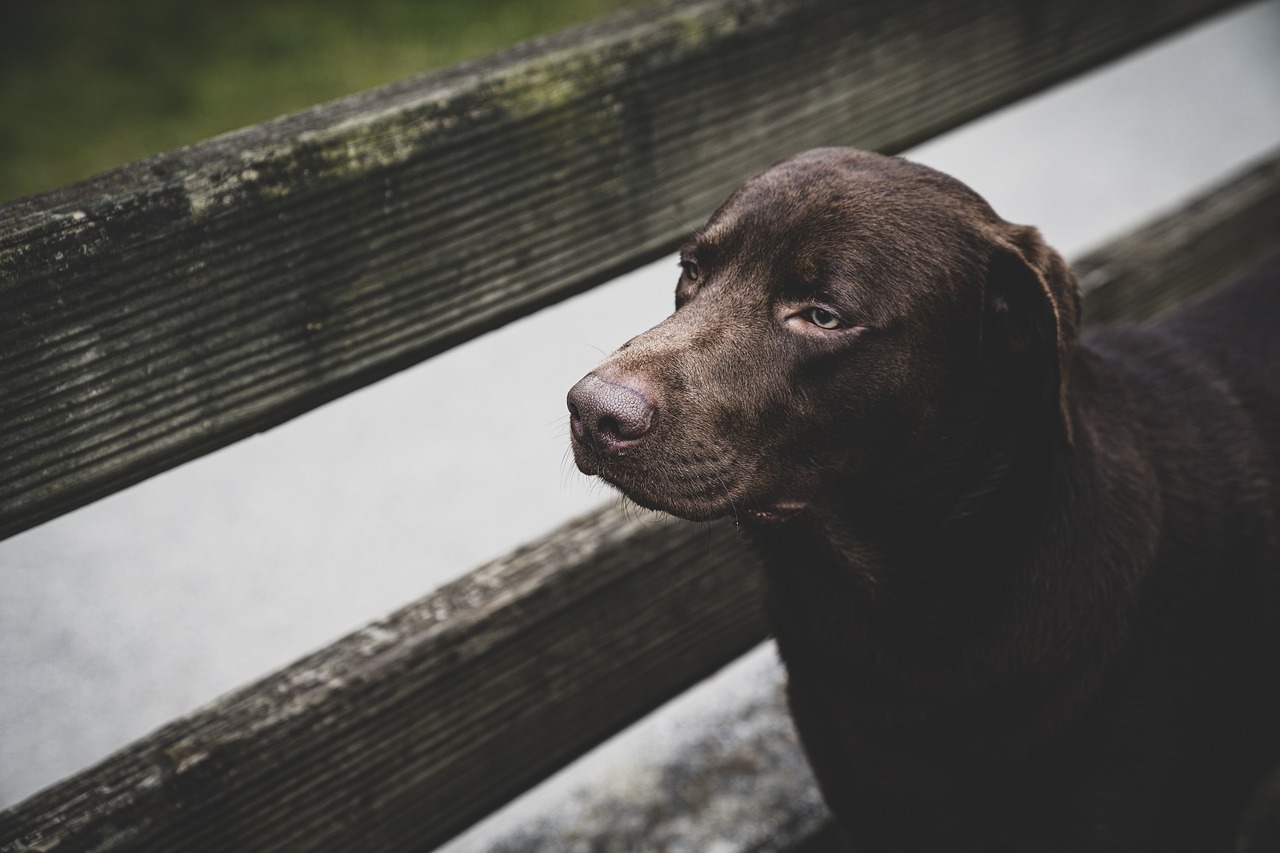
Embarking on adventures with your furry best friend is one of life’s greatest joys. Imagine hiking through scenic trails, kayaking on a tranquil lake, or camping under the stars, all with your dog by your side. Dog adventure trips are not just about exploring new places; they’re about strengthening the bond you share with your canine companion, creating lasting memories, and enriching both of your lives. This guide provides everything you need to know to plan unforgettable dog-friendly adventures, from choosing the right destination to ensuring your dog’s safety and comfort.
Choosing the Right Adventure for You and Your Dog
Selecting the perfect adventure starts with considering your dog’s breed, age, health, and temperament. A high-energy Border Collie will likely thrive on a challenging hiking trip, while a senior Pug might prefer a leisurely stroll through a dog-friendly park.
Assessing Your Dog’s Capabilities
- Breed and Size: Larger breeds, like Labs and German Shepherds, often excel at outdoor activities, but smaller breeds can be just as adventurous with appropriate gear and careful planning.
- Age and Health: Puppies and senior dogs require shorter distances and gentler terrain. Consult your vet to ensure your dog is healthy enough for the planned activities. A recent study showed that overexertion is a leading cause of injury in dogs on hiking trips.
- Temperament: Does your dog enjoy being around other dogs and people? Are they easily startled by loud noises? Consider these factors when choosing a location and activity.
- Previous Experience: If your dog is new to adventures, start with short, low-impact activities and gradually increase the difficulty and duration.
Types of Dog-Friendly Adventures
- Hiking: Choose trails that are marked as dog-friendly and appropriate for your dog’s fitness level. Always check trail conditions and weather forecasts beforehand. Example: The Appalachian Trail allows dogs on most sections, offering a range of hiking experiences.
- Camping: Many campgrounds welcome dogs, but be sure to check the specific rules and regulations. Pack a comfortable dog bed, food, and water bowls, and a leash for keeping your dog contained. Example: Many National Forest campgrounds permit dogs on leash.
- Kayaking/Canoeing: Introduce your dog to the water gradually and always use a doggy life vest. Start with calm water and short trips. Example: Many lakes and slow-moving rivers allow dogs in kayaks and canoes.
- Road Trips: Plan frequent stops for bathroom breaks, exercise, and hydration. Use a secure dog crate or seatbelt harness to ensure your dog’s safety during travel.
- Urban Adventures: Explore dog-friendly cities with parks, patios, and shops that welcome canine companions. Example: Austin, Texas, is renowned for its dog-friendly atmosphere and numerous off-leash parks.
Location Research and Permits
- Dog-Friendly Destinations: Research parks, trails, and campgrounds that explicitly welcome dogs. Websites like BringFido and AllTrails are excellent resources.
- Regulations and Restrictions: Check for leash laws, breed restrictions, and any necessary permits or fees. Some areas might require proof of vaccination.
- Seasonal Considerations: Avoid extreme temperatures and be aware of potential hazards like ticks, fleas, and poisonous plants.
- Example: Many National Parks have specific rules about where dogs are allowed, often restricting them to paved areas and campgrounds. Check the park’s website before you go.
Essential Gear and Supplies
Preparing the right gear is crucial for a safe and enjoyable adventure. A well-stocked pack ensures your dog’s needs are met and helps you handle unexpected situations.
Must-Have Items
- Leash and Collar/Harness: A sturdy leash and well-fitting collar or harness are essential for controlling your dog, especially in crowded areas. A hands-free leash can be useful for hiking.
- Dog Food and Water: Pack enough food and water for the entire trip, plus extra in case of delays. Collapsible bowls are lightweight and easy to carry.
- Poop Bags: Always clean up after your dog to maintain clean trails and respect other visitors.
- First-Aid Kit: Include items like bandages, antiseptic wipes, pain relievers (approved by your vet), and tweezers for removing ticks.
- Dog Bed or Blanket: Provide a comfortable place for your dog to rest, especially when camping or staying in unfamiliar accommodations.
- Doggy Life Vest: If you plan on any water activities, a properly fitted life vest is crucial for your dog’s safety.
- Identification: Ensure your dog’s collar has up-to-date identification tags with your contact information. Consider microchipping your dog for added security.
Optional But Helpful Items
- Dog Backpack: If your dog is strong enough, consider having them carry their own water, food, and waste bags.
- Paw Protection: Booties can protect your dog’s paws from rough terrain, hot pavement, or snow.
- Cooling Vest or Towel: Useful for keeping your dog cool in hot weather.
- Bug Repellent: Use a dog-safe bug repellent to protect against mosquitoes, ticks, and other insects.
- Treats: Reward your dog for good behavior and to keep them motivated during challenging activities.
Packing Tips
- Organize your gear: Use packing cubes or bags to separate items and keep your pack organized.
- Distribute weight evenly: Pack heavier items closer to your back for better balance.
- Carry a spare leash and collar: Just in case one gets lost or damaged.
- Check the weather forecast: Adjust your gear accordingly to prepare for rain, sun, or cold temperatures.
- Example: For a weekend camping trip with my Labrador, I pack: 2 days’ worth of dry dog food (pre-portioned into baggies), 6 liters of water, a collapsible water bowl, a Kurgo Baxter Pack (with poop bags, small first-aid kit, and spare leash), his Ruffwear dog bed, and a doggy life vest (just in case!).
Safety and Health Considerations
Ensuring your dog’s safety and health is paramount during any adventure. Be prepared for potential hazards and know how to handle emergencies.
Preventing Injuries
- Pace Yourself: Don’t push your dog too hard, especially on the first day. Start with shorter distances and gradually increase the intensity.
- Monitor for Signs of Fatigue: Watch for excessive panting, limping, or reluctance to continue. Rest frequently and provide plenty of water.
- Protect Paws: Check your dog’s paws regularly for cuts, abrasions, or blisters. Use paw protection if necessary.
- Avoid Overheating: Provide shade and water during hot weather. Know the signs of heatstroke, such as excessive panting, drooling, and vomiting.
- Keep on Leash: Unless you are in a designated off-leash area, keep your dog on a leash to prevent them from running off or encountering wildlife.
Dealing with Wildlife
- Be Aware of Your Surroundings: Research potential wildlife encounters in the area and take precautions to avoid them.
- Keep a Safe Distance: Never approach or feed wild animals. Keep your dog under control and prevent them from chasing wildlife.
- Bear Safety: If hiking in bear country, carry bear spray and know how to use it. Make noise to avoid surprising bears.
- Snake Awareness: Be aware of venomous snakes and teach your dog to avoid them. If your dog is bitten, seek immediate veterinary care.
First Aid and Emergency Procedures
- Carry a Well-Stocked First-Aid Kit: Include items like bandages, antiseptic wipes, pain relievers (approved by your vet), and tweezers for removing ticks.
- Know CPR for Dogs: Learn basic canine CPR techniques to be prepared for emergencies.
- Have Emergency Contact Information: Keep your vet’s phone number and the contact information for local emergency veterinary clinics readily available.
- Recognize Signs of Distress: Learn to recognize signs of illness or injury in your dog and seek veterinary care promptly.
- Example: While hiking in the mountains, I always carry a small first aid kit with Benadryl in case of allergic reactions (bees, plants), and I know the location of the nearest 24-hour vet. I also carry a “snake bite kit” even though bites are rare.
Vaccinations and Preventative Care
- Up-to-Date Vaccinations: Ensure your dog is up-to-date on all recommended vaccinations, including rabies, distemper, parvovirus, and adenovirus.
- Parasite Prevention: Use flea, tick, and heartworm prevention medication to protect your dog from parasites.
- Regular Veterinary Checkups: Schedule a checkup with your vet before embarking on any major adventure to ensure your dog is healthy enough for the activity.
- Example: Consult your veterinarian about Lyme disease vaccination and Leptospirosis depending on the region you are visiting.
Dog-Friendly Etiquette
Being a responsible dog owner means respecting other visitors and the environment. Following dog-friendly etiquette ensures that everyone can enjoy the outdoors safely and peacefully.
Leash Laws and Control
- Always Obey Leash Laws: Keep your dog on a leash in areas where it is required.
- Maintain Control: Ensure your dog is well-behaved and under your control at all times.
- Prevent Aggression: Keep your dog away from other dogs and people who might be uncomfortable around them.
- Train Recall: A reliable recall command is essential for keeping your dog safe and preventing them from running off.
Waste Disposal
- Always Clean Up After Your Dog: Carry poop bags and dispose of waste properly in designated receptacles.
- Pack It Out: If there are no trash cans available, pack the waste out with you and dispose of it later.
- Burying Waste: In some remote areas, burying dog waste may be acceptable, but always check local regulations first.
Respecting Wildlife
- Keep a Safe Distance: Never allow your dog to chase or harass wildlife.
- Protect Natural Habitats: Stay on designated trails and avoid disturbing vegetation or wildlife habitats.
- Minimize Your Impact: Practice Leave No Trace principles to minimize your impact on the environment.
- Example: If another hiker is approaching, move your dog to the side of the trail and ensure they are under control, even if they are friendly.
Noise Control
- Minimize Barking: Train your dog to minimize barking, especially in campgrounds or residential areas.
- Be Considerate of Others: Keep your dog quiet during quiet hours and be mindful of noise levels in general.
- Address Excessive Barking: If your dog barks excessively, take steps to address the behavior and prevent it from disturbing others.
Conclusion
Planning a dog adventure trip requires careful preparation and consideration, but the rewards are immeasurable. By choosing the right adventure, packing the necessary gear, prioritizing safety, and practicing good etiquette, you and your furry friend can create unforgettable memories that will last a lifetime. So, grab your leash, pack your bags, and get ready to explore the world together! Remember to always prioritize your dog’s well-being and adapt your plans to their needs and abilities. Happy adventuring!