

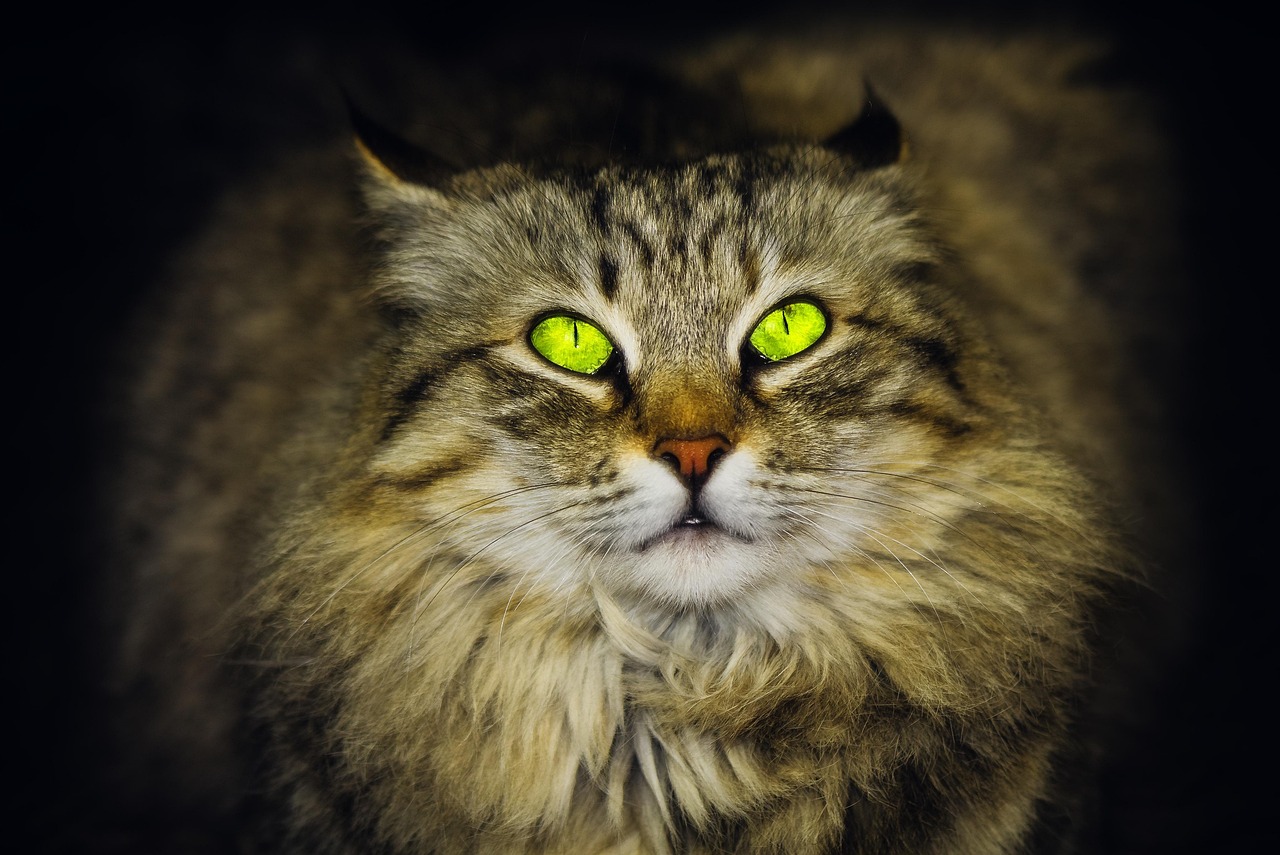
Taking care of a senior cat requires a special touch. As our feline friends enter their golden years, their needs change, and it’s our responsibility to ensure their comfort, health, and happiness. Understanding these changes and adapting our care routines is crucial for providing them with a high quality of life. This guide provides a comprehensive overview of senior cat care, covering everything from nutrition and health monitoring to environmental adjustments and enrichment.
Understanding Senior Cat Age and Changes
Defining “Senior” and “Geriatric”
Knowing when your cat transitions into seniorhood is the first step in providing appropriate care. Generally, cats are considered senior around the age of 11. By age 15, they are often considered geriatric. This is just a guideline, as some cats may show signs of aging earlier or later than others.
- Senior (11-14 years): This stage marks the beginning of age-related changes.
- Geriatric (15+ years): More pronounced age-related issues are likely to appear.
Common Age-Related Changes in Cats
Recognizing the signs of aging allows you to proactively address any health concerns and adjust their care accordingly. Here are some common changes:
- Decreased Mobility: Arthritis is common in older cats, leading to stiffness, difficulty jumping, and reduced activity levels. For example, you might notice your cat hesitating before jumping onto the couch or struggling to use the litter box.
- Cognitive Decline: Similar to dementia in humans, cognitive dysfunction syndrome (CDS) can cause confusion, disorientation, changes in sleep patterns, and altered interactions with their environment. Some cats might start meowing excessively at night.
- Sensory Decline: Hearing and vision often diminish with age. They might not respond to their name or struggle to navigate in dimly lit areas.
- Dental Issues: Dental disease is prevalent in senior cats, leading to pain, difficulty eating, and potential systemic infections. Bad breath is often the first sign.
- Changes in Appetite and Weight: This can be due to various factors, including dental problems, decreased sense of smell, or underlying health conditions. Both weight loss and weight gain can be concerning.
- Increased Susceptibility to Illness: The immune system weakens with age, making senior cats more vulnerable to infections and chronic diseases.
Health and Wellness for Senior Cats
Regular Veterinary Check-ups
More frequent veterinary visits are crucial for senior cats, ideally every six months. These check-ups allow for early detection of age-related diseases and timely intervention.
- Comprehensive Physical Examination: The vet will assess your cat’s overall health, checking for any abnormalities.
- Blood Work: Blood tests can reveal underlying conditions such as kidney disease, diabetes, or liver problems. For instance, elevated creatinine levels could indicate kidney disease.
- Urine Analysis: This test can help detect urinary tract infections, kidney problems, and diabetes.
- Dental Examination: Assessing dental health and recommending appropriate treatment, such as a dental cleaning.
- Vaccinations: Discuss the need for booster vaccinations with your vet, considering your cat’s lifestyle and risk factors.
Nutrition and Diet for Senior Cats
Adjusting your senior cat’s diet is essential for maintaining their health and addressing age-related needs.
- High-Quality Senior Cat Food: These formulas are often lower in calories to prevent weight gain and contain ingredients that support joint health, such as glucosamine and chondroitin.
- Increased Protein: Senior cats may need more protein to maintain muscle mass.
- Highly Digestible Food: Easier digestion can help prevent digestive upset and improve nutrient absorption.
- Wet Food: Wet food can be beneficial, especially for cats with dental problems or kidney issues, as it’s easier to eat and helps with hydration. Consider offering wet food twice daily.
- Fresh Water: Ensure fresh water is always available, and consider using a water fountain to encourage drinking.
Managing Common Senior Cat Health Issues
Early detection and management of health problems are vital for improving the quality of life for senior cats.
- Arthritis: Provide soft bedding, ramps or steps to access favorite spots, and consider pain medication prescribed by your veterinarian. For example, a heated bed can help soothe sore joints.
- Kidney Disease: Manage kidney disease through a prescription diet, increased water intake (subcutaneous fluids may be necessary), and medications as directed by your vet.
- Diabetes: Monitor blood glucose levels, administer insulin if prescribed, and feed a consistent diet as recommended by your veterinarian.
- Hyperthyroidism: Manage hyperthyroidism with medication, radioactive iodine therapy, or surgery, as recommended by your vet.
- Cognitive Dysfunction Syndrome (CDS): Provide environmental enrichment, maintain a consistent routine, and consider medication or supplements to help manage symptoms. Puzzle feeders and interactive toys can help keep their minds active.
Creating a Comfortable Environment for Senior Cats
Adjusting the Home Environment
Making adjustments to your home can significantly improve your senior cat’s comfort and safety.
- Accessible Litter Boxes: Use litter boxes with low sides for easier access, and place them on each level of the house.
- Soft Bedding: Provide comfortable, supportive beds in warm, draft-free locations. Orthopedic beds are excellent for cats with arthritis.
- Ramps and Steps: Help your cat reach their favorite spots, such as windowsills or the couch, with ramps or steps.
- Non-Slip Flooring: Use rugs or carpets to provide traction and prevent slips, especially on hardwood or tile floors.
- Safe Spaces: Ensure your cat has quiet, safe places to retreat to when they feel overwhelmed or need rest.
Enrichment and Mental Stimulation
Despite their age, senior cats still benefit from mental stimulation.
- Puzzle Feeders: These encourage problem-solving and slow down eating.
- Gentle Play: Engage in gentle play sessions using toys like feather wands or laser pointers (use with caution around the eyes).
- Scratching Posts: Provide scratching posts to allow for natural scratching behavior.
- Window Perches: Allow your cat to observe the outside world from a safe and comfortable perch.
- Social Interaction: Continue to provide affection and attention, but be mindful of their tolerance levels.
Grooming and Hygiene for Senior Cats
Maintaining Coat and Skin Health
Regular grooming is important for senior cats, especially those who may have difficulty grooming themselves.
- Regular Brushing: Helps remove dead hair, prevent mats, and stimulate circulation.
- Nail Trimming: Trim nails regularly to prevent overgrowth and discomfort.
- Dental Care: Brush your cat’s teeth regularly or use dental chews to maintain oral hygiene.
- Bathing (if needed): Bathe your cat only when necessary, using a gentle, cat-specific shampoo.
Monitoring Hygiene Habits
Changes in hygiene habits can be a sign of underlying health problems.
- Litter Box Habits: Monitor for changes in urination or defecation, such as straining, blood in the urine, or changes in stool consistency.
- Grooming Behavior: Note any changes in grooming habits, such as excessive grooming, decreased grooming, or the development of mats.
- Skin Conditions: Be vigilant for skin issues such as dandruff, lumps, or skin infections.
Conclusion
Caring for a senior cat is a rewarding experience that requires patience, understanding, and a commitment to providing the best possible care. By recognizing age-related changes, maintaining regular veterinary check-ups, adjusting their diet, creating a comfortable environment, and prioritizing their mental and physical well-being, you can help your senior cat enjoy a happy, healthy, and fulfilling life. Remember, every cat is an individual, so tailor your approach to meet their specific needs and preferences. With your love and care, your senior feline companion can thrive in their golden years.