

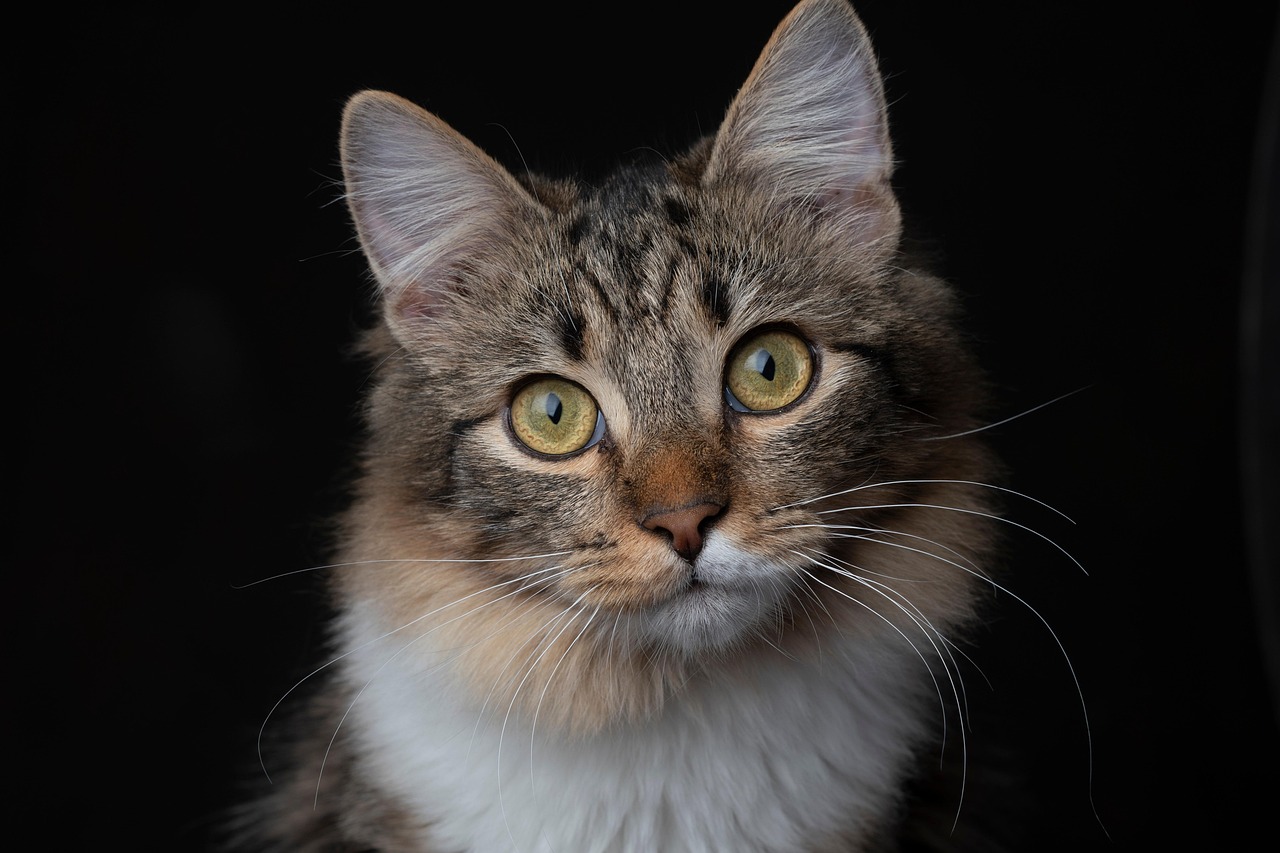
Creating a happy and stimulating environment for your furry friend doesn’t have to break the bank. In fact, crafting your own pet toys is a fantastic way to bond with your animal companion, reduce waste, and ensure the toys are safe and tailored to their specific needs and preferences. This guide will explore a variety of homemade pet toy ideas that are fun, easy to create, and will keep your pets entertained for hours.
Why Make Your Own Pet Toys?
Making your own pet toys offers a multitude of benefits, both for you and your beloved animal companion. It’s a cost-effective, eco-friendly, and personalized approach to pet enrichment.
Cost Savings
Let’s face it, pet toys can be expensive, and some pets are notorious for destroying them in minutes! Making your own toys can significantly reduce your pet supply budget.
- Savings on store-bought toys: Commercial pet toys can range from a few dollars to upwards of $30 or more.
- Reusing materials: Upcycling materials around the house like old t-shirts, cardboard boxes, and plastic bottles drastically reduces the cost.
Health and Safety
You have complete control over the materials used, ensuring they are non-toxic and safe for your pet. This is particularly important for pets with allergies or sensitivities.
- Control over materials: Avoid potentially harmful chemicals, dyes, and small parts that can be choking hazards.
- Tailored to your pet’s needs: Choose materials and designs suitable for your pet’s chewing habits and size.
Environmental Benefits
Homemade toys are often made from recycled or upcycled materials, reducing your carbon footprint and promoting sustainable practices.
- Reduce plastic waste: Repurpose plastic bottles and containers into fun toys.
- Upcycle old fabrics: Give old t-shirts and towels a new life as durable chew toys or blankets.
Bonding and Enrichment
The process of creating toys together (or even just for your pet!) strengthens the bond between you and your animal. It also provides mental stimulation for your pet, helping to prevent boredom and destructive behaviors.
- Quality time together: Involve your pet in the process (supervised, of course!) by letting them inspect the materials or “help” with assembly.
- Mental stimulation: Interactive toys challenge your pet’s problem-solving skills and keep them engaged.
DIY Dog Toy Ideas
Dogs, with their varying sizes and energy levels, require a diverse range of toys. These homemade options cater to different play styles, from gentle chewers to enthusiastic tug-of-war champions.
Braided Fleece Toy
A simple yet durable toy made from strips of fleece fabric, this braided toy is perfect for chewing and tugging.
- Materials: 3 strips of fleece fabric (approximately 3-4 inches wide and 24 inches long).
- Instructions:
- Tie the strips together at one end.
- Braid the strips together tightly.
- Tie the other end securely.
- Benefits: Soft, durable, and washable.
T-Shirt Rope Toy
Repurpose old t-shirts into a sturdy rope toy that your dog will love to chew and fetch.
- Materials: Old t-shirts (2-3).
- Instructions:
- Cut the t-shirts into long strips (approximately 1-2 inches wide).
- Gather a bunch of strips and tie them together at one end.
- Braid or twist the strips together tightly.
- Tie the other end securely.
- Benefits: Durable, washable, and made from recycled materials.
Plastic Bottle Crunch Toy
The crinkling sound of a plastic bottle is irresistible to many dogs. This toy provides auditory stimulation and is easy to make.
- Materials: Empty plastic water bottle, old sock.
- Instructions:
- Remove the cap from the plastic bottle.
- Place the bottle inside the sock.
- Tie a knot at the open end of the sock to secure the bottle.
- Benefits: Provides auditory stimulation, lightweight, and easy to replace. Note: Supervise your dog closely to ensure they don’t tear the sock and ingest any plastic pieces.
DIY Cat Toy Ideas
Cats are known for their playful and curious nature. These DIY toys will engage their hunting instincts and provide hours of entertainment.
Catnip Mouse
A classic cat toy that is easy to sew and filled with irresistible catnip.
- Materials: Scrap fabric (felt or cotton), catnip, sewing supplies.
- Instructions:
- Cut out two mouse-shaped pieces of fabric.
- Sew the pieces together, leaving a small opening.
- Stuff the mouse with catnip and fill it with stuffing.
- Sew the opening closed.
- Benefits: Provides sensory stimulation and encourages play.
Feather Wand Toy
A simple wand with feathers attached, perfect for interactive play and stimulating your cat’s hunting instincts.
- Materials: Dowel rod or stick, feathers, string or yarn, glue.
- Instructions:
- Attach feathers to the end of the string or yarn using glue.
- Tie or glue the string to the end of the dowel rod or stick.
- Benefits: Encourages exercise and interactive play.
Cardboard Box Castle
Cats love boxes! Transform ordinary cardboard boxes into a stimulating and engaging play area.
- Materials: Cardboard boxes of various sizes, scissors or craft knife, tape.
- Instructions:
- Cut holes and tunnels in the boxes.
- Tape the boxes together to create a multi-level castle.
- Benefits: Provides a safe and enclosed space for play and exploration. Add scratching posts made from wrapped sisal rope for added enrichment.
Safety Considerations
While DIY pet toys offer numerous benefits, it’s crucial to prioritize your pet’s safety. Always supervise your pet during playtime, especially with new toys.
Material Selection
Choose materials that are non-toxic, durable, and appropriate for your pet’s chewing habits. Avoid small parts that can be easily swallowed.
- Non-toxic fabrics and dyes: Opt for natural fabrics and dyes that are safe for your pet.
- Durable materials: Select materials that can withstand chewing and scratching without easily falling apart.
- Avoid small parts: Ensure that there are no small buttons, beads, or other small parts that can be swallowed.
Toy Construction
Ensure that the toys are well-constructed and free of sharp edges or loose parts that could cause injury.
- Secure stitching: Use strong stitching to ensure that seams don’t come apart easily.
- Smooth edges: Trim any sharp edges or corners to prevent cuts or scratches.
- Regular inspection: Regularly inspect the toys for damage and repair or replace them as needed.
Supervision
Always supervise your pet during playtime, especially with new toys. This allows you to monitor their behavior and ensure that they are not ingesting any harmful materials.
- Observe play: Watch your pet closely to see how they interact with the toy.
- Remove damaged toys: Discard any toys that are damaged or pose a safety hazard.
Making Toys for Specific Pet Needs
Every pet is different, and their toys should cater to their specific physical and mental needs.
Senior Pets
- Soft Materials: Use softer materials like fleece or plush to avoid putting stress on aging teeth and gums.
- Low-Impact Play: Design toys that encourage gentle movement and engagement, like slow-rolling treat dispensers.
High-Energy Pets
- Durable Construction: High-energy pets often play rough, so construct toys with multiple layers of fabric, reinforced stitching, and robust materials.
- Interactive Challenges: Puzzle toys, snuffle mats, and treat-hiding games can help channel their energy in a mentally stimulating way.
Pets with Anxiety
- Comforting Textures: Soft and plush toys can provide comfort. Consider toys that can hold a familiar scent, like a t-shirt you’ve worn.
- Safe Spaces: Cardboard box castles or fabric tunnels can offer a sense of security and reduce anxiety.
Conclusion
Creating homemade pet toys is a rewarding experience that benefits both you and your furry friend. Not only does it save money and reduce waste, but it also strengthens your bond and provides your pet with customized enrichment. By following these guidelines and prioritizing safety, you can create a collection of fun and engaging toys that will keep your pet happy and healthy for years to come. So, gather your supplies, get creative, and start crafting!