

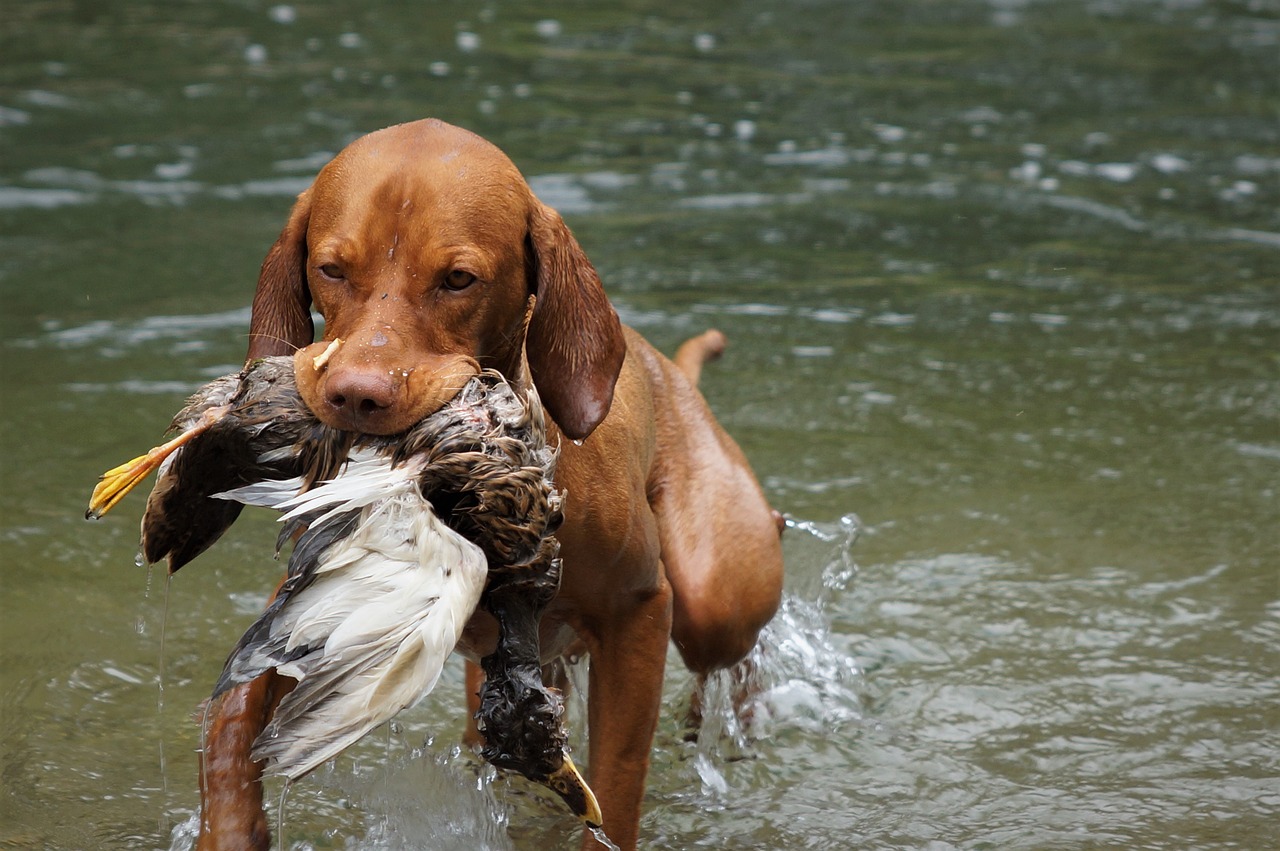
Is your dog turning your beautiful backyard into an archaeological dig site? Digging is a natural behavior for dogs, but it can be frustrating for owners when it damages lawns, gardens, or even the foundations of your home. Understanding the reasons behind this behavior and implementing effective strategies can help you curb your dog’s digging habit and restore peace to your outdoor space. Let’s explore how to stop dog digging!
Understanding Why Your Dog is Digging
Instinctual Roots
Digging is often deeply rooted in a dog’s instincts. Certain breeds, like terriers bred to hunt burrowing animals, are naturally more inclined to dig than others. Understanding your dog’s breed and its inherent predispositions can offer valuable insights into their digging behavior.
- Hunting Instincts: Breeds like Jack Russell Terriers are wired to dig after prey.
- Burying Instincts: Dogs may bury bones or toys for later retrieval, a behavior inherited from their wild ancestors.
- Denning Instincts: Pregnant dogs, or those seeking security, may dig to create a safe, den-like space.
Environmental Factors and Boredom
Often, digging stems from a lack of stimulation and mental enrichment. Dogs left alone for long periods with nothing to do may turn to digging as a form of entertainment.
- Boredom: A dog with pent-up energy and no outlets will often find ways to entertain themselves, and digging is a common choice.
- Anxiety: Separation anxiety or loud noises can trigger digging as a coping mechanism.
- Attention-Seeking: Some dogs learn that digging gets them attention, even if it’s negative attention.
Seeking Comfort
Digging can also be a response to environmental conditions. Dogs may dig to create a cool spot in hot weather or a warm spot during colder months. According to a study by the American Veterinary Medical Association, dogs regulate their body temperature by seeking cooler surfaces when temperatures rise above 77°F (25°C). Digging into the earth provides access to cooler soil.
- Cooling Down: In hot weather, digging exposes cooler soil, providing relief from the heat.
- Warmth: In cold weather, dogs may dig to create a burrow for insulation.
- Comfort Seeking: Dogs may dig to create a softer or more comfortable resting place.
Identifying the Trigger
Observation is Key
To effectively address your dog’s digging, you need to understand when and where they are digging. Keep a journal or take notes on the following:
- Time of Day: Does your dog dig more in the morning, afternoon, or evening?
- Location: Where in your yard is your dog digging the most? Are there specific areas or objects they target?
- Circumstances: What is happening before your dog starts digging? Are they alone, bored, or excited?
- Weather: Is the weather hot, cold, or just right? Does rain encourage them to dig?
Ruling Out Medical Reasons
While less common, excessive digging could be linked to underlying medical conditions or behavioral disorders. Consult with your veterinarian to rule out any health issues.
- Compulsive Disorders: Digging can be a symptom of canine compulsive disorder.
- Nutritional Deficiencies: In rare cases, dogs may dig in an attempt to find minerals or nutrients they are lacking in their diet.
Solutions to Stop the Digging
Increase Exercise and Mental Stimulation
Addressing boredom and pent-up energy is crucial. Provide ample opportunities for physical exercise and mental enrichment.
- Daily Walks and Runs: Ensure your dog gets sufficient exercise based on their breed and energy level.
- Interactive Toys: Puzzle toys, treat-dispensing toys, and Kongs can keep your dog mentally stimulated.
- Training Sessions: Short, frequent training sessions can provide mental stimulation and strengthen your bond with your dog.
- Dog Parks/Playdates: Socialization with other dogs can burn energy and reduce boredom.
- Rotate Toys Regularly: Introduce new toys and rotate existing ones to keep your dog interested.
Create a Designated Digging Area
Instead of trying to eliminate digging altogether, consider providing a designated area where your dog can dig to their heart’s content. This satisfies their natural instincts while protecting the rest of your yard.
- Sandbox: A children’s sandbox filled with sand or dirt can be an ideal digging area.
- Designated Spot: Choose a corner of your yard and loosen the soil. Bury toys or treats to encourage your dog to use the area.
- Positive Reinforcement: Reward your dog with praise and treats when they dig in the designated area.
Making Undesirable Areas Unattractive
To discourage digging in unwanted areas, make them less appealing to your dog.
- Chicken Wire: Bury chicken wire just below the surface of the soil.
- Rocks and Stones: Cover the area with large rocks or stones.
- Citrus Scents: Dogs often dislike the smell of citrus. Place orange or lemon peels in the area.
- Motion-Activated Sprinklers: A sudden spray of water can deter your dog from digging.
- Physical Barriers: Use fencing or landscaping to block access to vulnerable areas.
Training and Supervision
Consistency and patience are key to retraining your dog’s behavior. Supervise your dog when they are outside and redirect them when they start digging in unwanted areas.
- “Leave It” Command: Teach your dog the “leave it” command and use it when they start digging.
- Redirection: When you see your dog digging, interrupt the behavior and redirect them to a more appropriate activity, like playing with a toy or going for a walk.
- Positive Reinforcement: Reward your dog with praise and treats when they exhibit good behavior, such as playing quietly in the yard without digging.
Preventing Digging in Specific Situations
Digging at the Fence Line
Dogs may dig at the fence line out of boredom, curiosity, or a desire to escape.
- Reinforce the Fence: Bury chicken wire or concrete along the base of the fence.
- Visual Barriers: Plant shrubs or install a solid fence to block your dog’s view of the outside world.
- Supervised Outings: Only allow your dog access to the yard when you can supervise them.
Digging Under the House or Deck
Dogs may dig under structures seeking shelter or a cool place to rest.
- Physical Barriers: Install lattice or fencing around the base of the house or deck.
- Comfortable Shelter: Provide a dog house or shaded area in the yard where your dog can find relief from the elements.
- Regular Inspections: Check regularly for signs of digging and address them promptly.
Conclusion
Stopping your dog from digging requires understanding the root cause of the behavior, implementing consistent training strategies, and modifying the environment to make digging less appealing. By increasing exercise and mental stimulation, providing a designated digging area, and using deterrents in unwanted areas, you can help your dog satisfy their natural instincts without destroying your yard. Remember to be patient and consistent, and celebrate your successes along the way. With the right approach, you can transform your backyard from a construction site back into a peaceful oasis for both you and your furry friend.