

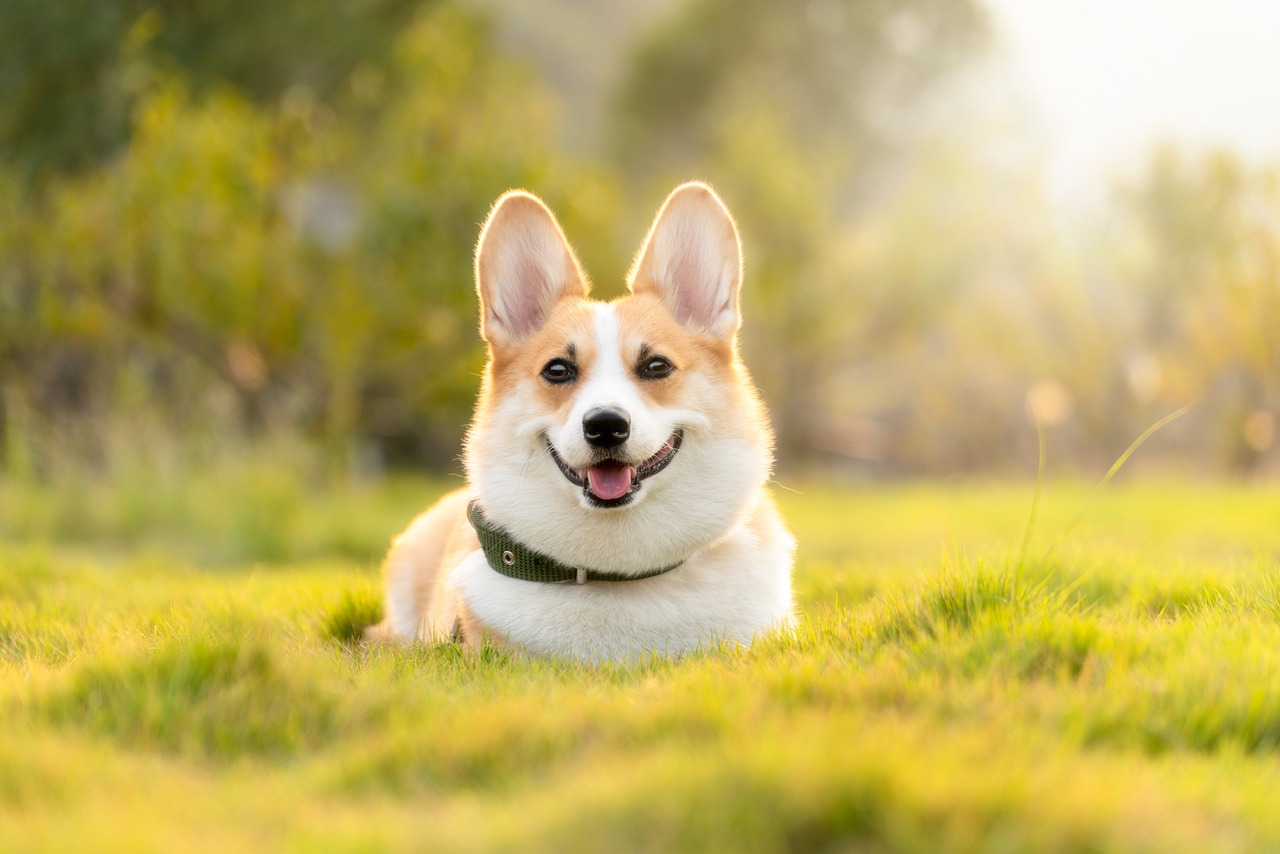
Choosing the right dog harness can feel overwhelming with the sheer number of options available. Comfort, safety, and control are paramount, but navigating through the marketing jargon and varying designs can be a challenge. This guide aims to provide a comprehensive dog harness review, covering different types, features, and factors to consider so you can confidently select the perfect harness for your furry friend.
Understanding Dog Harness Types
The world of dog harnesses is diverse, with designs catering to various needs and preferences. Understanding the different types is the first step towards finding the right fit.
Back-Clip Harnesses
- These harnesses feature a leash attachment point on the dog’s back.
- Pros:
Easy to put on and take off.
Generally more comfortable for dogs who pull less.
Less likely to cause choking or neck strain.
- Cons:
Offer less control for strong pullers.
Can encourage pulling in some dogs.
- Example: The Ruffwear Web Master Harness is a popular back-clip harness known for its durability and comfortable design, making it suitable for hiking and everyday walks.
Front-Clip Harnesses
- These harnesses have a leash attachment point located on the dog’s chest.
- Pros:
Discourages pulling by redirecting the dog’s attention.
Provides better control, especially for large or strong dogs.
- Cons:
Can take some getting used to for both dog and owner.
May cause leash entanglement if not used correctly.
- Example: The Easy Walk Harness is a widely recommended front-clip harness known for its effectiveness in reducing pulling and its comfortable fit. Studies show that front-clip harnesses can reduce pulling behavior by up to 60% in some dogs.
Dual-Clip Harnesses
- These versatile harnesses offer both front and back clip options, providing flexibility for different situations.
- Pros:
Adaptable to various training needs and walking styles.
Allows for switching between front and back clip depending on the dog’s behavior.
- Cons:
Can be slightly more expensive than single-clip harnesses.
May require more adjustment to achieve the perfect fit.
- Example: The 4Knines Dog Car Harness is a dual-clip harness specifically designed for car safety but also functional for everyday walks, offering both front and back clip options.
Step-In Harnesses
- Designed for ease of use, these harnesses require the dog to step into the harness, which is then buckled around the chest and back.
- Pros:
Simple and quick to put on and take off, especially for dogs who dislike having things pulled over their heads.
Often lightweight and comfortable.
- Cons:
May not be as secure as other types of harnesses.
* Not ideal for dogs who are prone to escaping.
- Example: The Puppia Soft Dog Harness is a popular step-in harness made from soft, breathable mesh, providing a comfortable and secure fit for small to medium-sized dogs.
Key Features to Consider
Beyond the type of harness, several features can significantly impact its performance and suitability for your dog.
Material and Durability
- Look for harnesses made from durable, high-quality materials such as nylon, polyester, or neoprene.
- Reinforced stitching and strong buckles are essential for ensuring the harness can withstand daily wear and tear.
- Example: A harness made from ballistic nylon will be more resistant to tearing and abrasion than one made from standard nylon.
- Consider the climate where you live. Breathable materials like mesh are better for warmer climates.
Comfort and Fit
- A well-fitting harness should be snug but not restrictive, allowing your dog to move freely without chafing.
- Adjustable straps are crucial for achieving a customized fit.
- Padded chest and back panels can enhance comfort, especially for long walks or dogs with sensitive skin.
- Example: A harness that rubs under the armpits can cause irritation, so proper adjustment is key. You should be able to fit two fingers comfortably between the harness and your dog’s body.
Safety and Visibility
- Reflective stitching or panels can improve visibility during low-light conditions.
- Secure buckles and attachment points are essential for preventing escapes.
- Consider a harness with a handle on the back for added control in emergency situations.
- Example: Using a harness with reflective strips for night walks can significantly reduce the risk of accidents.
Ease of Use
- Harnesses that are easy to put on and take off can make walks more enjoyable for both you and your dog.
- Look for harnesses with clear instructions and intuitive designs.
- Quick-release buckles can save time and effort when getting your dog ready for a walk.
- Example: Struggling with a complicated harness can be frustrating, especially with an impatient dog. Choose a design that is straightforward and easy to manage.
Measuring and Fitting Your Dog’s Harness
Accurate measurements are crucial for selecting the correct harness size.
How to Measure
- Use a soft measuring tape to measure your dog’s chest girth (around the widest part of the chest, just behind the front legs).
- Measure your dog’s neck circumference (around the base of the neck where the collar sits).
- Refer to the manufacturer’s sizing chart and choose the size that corresponds to your dog’s measurements.
Adjusting the Harness
- Loosen all straps and place the harness on your dog.
- Adjust the chest and neck straps to achieve a snug but comfortable fit.
- Ensure you can fit two fingers comfortably between the harness and your dog’s body.
- Check for any areas where the harness may be rubbing or causing discomfort.
- Example: If the harness is too tight, it can restrict your dog’s breathing and movement. If it’s too loose, your dog may be able to slip out of it.
Test the Fit
- Take your dog for a short walk to test the fit and ensure the harness is not rubbing or causing discomfort.
- Observe your dog’s behavior and adjust the straps as needed.
- If your dog is showing signs of discomfort or resistance, try a different harness style or size.
Addressing Specific Dog Needs
Certain dog breeds and behaviors may require specific harness features.
For Pullers
- Front-clip harnesses are generally the best option for dogs who pull excessively.
- Harnesses with multiple leash attachment points can provide greater control.
- Consider a harness with a no-pull design that applies gentle pressure to discourage pulling.
- Example: The Freedom No-Pull Harness is a popular choice for strong pullers, featuring a martingale loop that tightens gently when the dog pulls, discouraging the behavior.
For Small Breeds
- Lightweight and comfortable harnesses are essential for small breeds.
- Step-in harnesses can be a good option for dogs who dislike having things pulled over their heads.
- Ensure the harness is not too bulky or restrictive for the dog’s size.
- Example: A heavy, bulky harness can be uncomfortable and even dangerous for a small dog.
For Escape Artists
- Harnesses with multiple adjustment points and secure buckles are crucial for preventing escapes.
- Consider a harness with a belly strap to prevent the dog from slipping out of the harness.
- Check the fit regularly and adjust the straps as needed.
- Example: Some dogs are masters of escape, so it’s important to choose a harness that is both secure and escape-proof.
For Senior Dogs
- Comfortable and supportive harnesses can be beneficial for senior dogs with mobility issues.
- Harnesses with a handle on the back can provide assistance with getting up and down.
- Ensure the harness is not putting pressure on sensitive areas or joints.
- Example: A harness with a padded handle can make it easier to assist a senior dog with getting in and out of the car.
Conclusion
Choosing the right dog harness requires careful consideration of your dog’s breed, size, behavior, and individual needs. By understanding the different types of harnesses, key features, and fitting techniques, you can confidently select a harness that provides comfort, safety, and control for both you and your furry companion. Remember to prioritize quality materials, a secure fit, and features that address your dog’s specific needs to ensure a positive walking experience for years to come.