

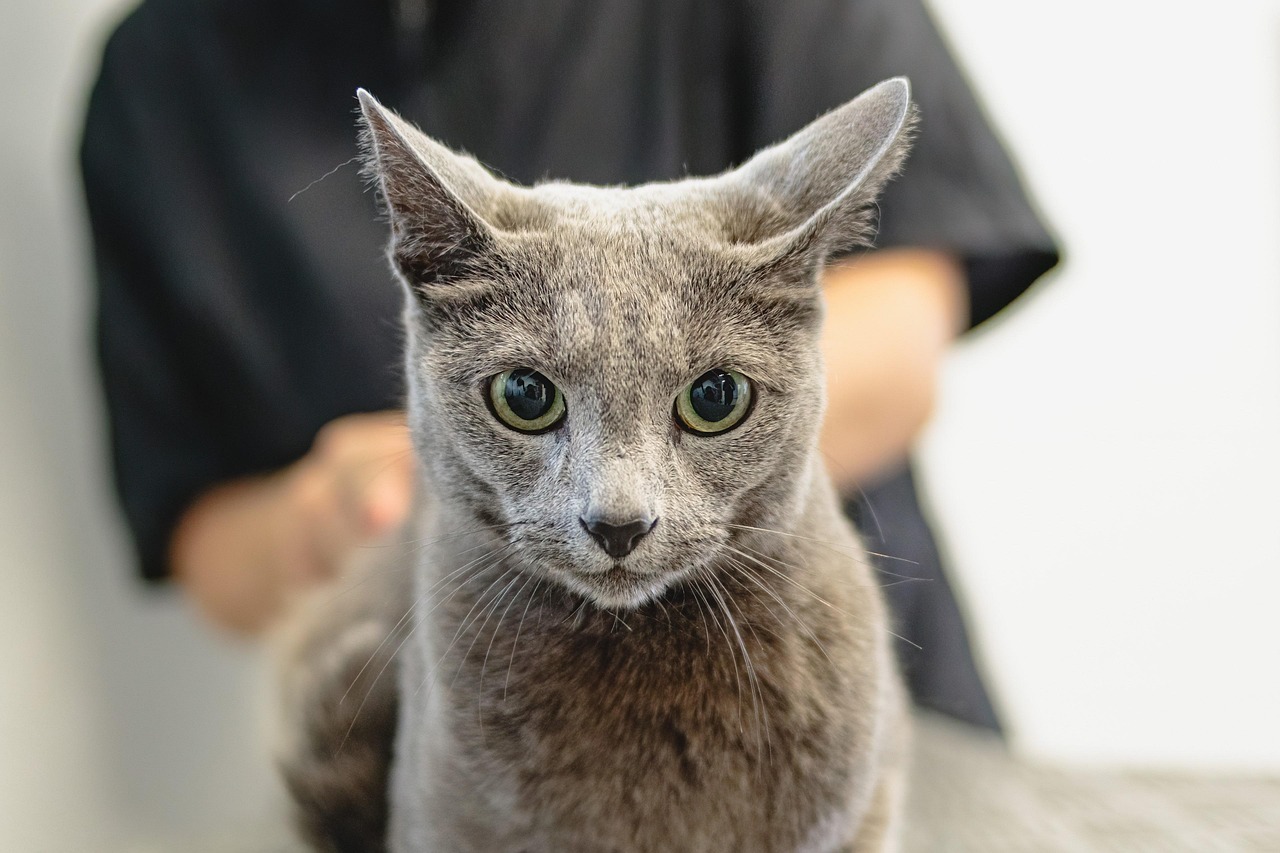
Dry, itchy skin can make your furry friend miserable. From constant scratching to flaky patches, the symptoms of dry skin in pets are not only uncomfortable but can also be a sign of underlying health issues. Thankfully, there are several effective home remedies and preventative measures you can take to soothe your pet’s skin and restore its natural glow. This guide will walk you through proven strategies to combat dry skin in dogs and cats, ensuring your companion feels happy and healthy.
Understanding the Causes of Pet Dry Skin
Dry skin in pets can stem from a variety of factors, ranging from environmental conditions to dietary deficiencies. Identifying the root cause is the first step in finding the right solution.
Environmental Factors
- Low Humidity: Just like humans, pets are susceptible to dry skin during the winter months or in arid climates when indoor heating systems strip moisture from the air.
Example: Using a humidifier in your home can significantly increase moisture levels and alleviate dry skin in your pet. Aim for humidity levels between 40-60%.
- Harsh Weather: Exposure to extreme cold, wind, or strong sunlight can irritate and dry out a pet’s skin.
Tip: Consider using pet-safe sunscreen on exposed areas like the nose and ears during sunny days.
- Frequent Bathing: Over-bathing your pet, especially with harsh shampoos, can strip away essential oils and lead to dryness.
Recommendation: Limit bathing to when it’s absolutely necessary and always use a moisturizing shampoo specifically formulated for pets.
Dietary Factors
- Omega-3 Fatty Acid Deficiency: Omega-3 fatty acids play a crucial role in maintaining healthy skin and a shiny coat. A lack of these essential fats can result in dry, flaky skin.
Data: Studies have shown that supplementing a pet’s diet with omega-3 fatty acids can improve skin hydration and reduce inflammation.
- Insufficient Hydration: Dehydration can contribute to dry skin. Ensure your pet always has access to fresh, clean water.
Practical Tip: Provide multiple water sources around your home, especially if you have a cat. Consider using a pet fountain to encourage drinking.
- Poor Quality Food: Some pet foods lack essential nutrients, contributing to skin problems.
Actionable Takeaway: Opt for high-quality pet food that contains a good balance of protein, carbohydrates, and healthy fats. Look for food with added vitamins and minerals.
Underlying Health Conditions
- Allergies: Food or environmental allergies can manifest as skin irritation and dryness.
Important Note: Consult with your veterinarian to identify and manage your pet’s allergies. This may involve allergy testing or a change in diet.
- Parasites: Fleas, ticks, and mites can cause intense itching and skin irritation, leading to dryness and secondary infections.
Prevention: Regularly use veterinarian-recommended flea and tick preventatives.
- Thyroid Issues: Hypothyroidism (underactive thyroid) can cause a range of symptoms, including dry skin and hair loss.
Professional Advice: A veterinarian can diagnose and treat thyroid issues through blood tests and medication.
Home Remedies for Pet Dry Skin
Once you’ve addressed potential underlying causes, you can start implementing home remedies to relieve your pet’s dry skin.
Oatmeal Baths
- Benefits: Oatmeal has soothing and anti-inflammatory properties that can help relieve itching and dryness.
How to: Grind plain oatmeal into a fine powder and mix it with warm water to create a milky solution. Soak your pet in the bath for 10-15 minutes, then rinse thoroughly. You can also use colloidal oatmeal shampoos or sprays.
Example: Burt’s Bees Oatmeal Shampoo is a popular choice among pet owners.
Coconut Oil
- Benefits: Coconut oil is a natural moisturizer that can help hydrate and soothe dry skin.
How to: Apply a small amount of unrefined, organic coconut oil directly to your pet’s skin. You can also add a teaspoon to their food (start with a small amount to avoid digestive upset).
Caution: Use coconut oil sparingly, as excessive amounts can cause diarrhea.
Olive Oil
- Benefits: Similar to coconut oil, olive oil is rich in antioxidants and healthy fats that can nourish the skin.
How to: Add a teaspoon of olive oil to your pet’s food or gently massage it into their skin.
Tip: Use extra virgin olive oil for the best results.
Apple Cider Vinegar Rinse
- Benefits: Apple cider vinegar (ACV) can help balance the skin’s pH level and relieve itching.
How to: Dilute ACV with water (1:1 ratio) and use it as a final rinse after bathing your pet. Avoid contact with eyes and open wounds.
Note: Always use raw, unfiltered apple cider vinegar.
Diet and Hydration for Skin Health
A healthy diet and proper hydration are essential for maintaining healthy skin and coat.
Omega-3 Fatty Acid Supplements
- Benefits: Omega-3 fatty acids help reduce inflammation and improve skin hydration.
Sources: Fish oil, flaxseed oil, and algal oil are excellent sources of omega-3 fatty acids.
Dosage: Consult with your veterinarian to determine the appropriate dosage for your pet.
- Example: Nordic Naturals Omega-3 Pet is a popular and trusted supplement.
High-Quality Pet Food
- Benefits: Nutritious pet food provides the essential vitamins, minerals, and proteins needed for healthy skin.
Look For: Foods that contain ingredients like fish, flaxseed, and sunflower oil. Avoid foods with artificial colors, flavors, and preservatives.
- Recommendation: Consider brands like Blue Buffalo, Royal Canin, and Purina Pro Plan.
Adequate Hydration
- Benefits: Keeping your pet properly hydrated helps maintain skin elasticity and moisture.
Tips: Ensure fresh water is always available. Add wet food to their diet or use a pet fountain to encourage drinking.
Monitor: Check for signs of dehydration, such as sunken eyes, dry gums, and loss of skin elasticity.
Choosing the Right Grooming Products
Selecting the right grooming products can make a significant difference in your pet’s skin health.
Hypoallergenic Shampoos
- Benefits: Hypoallergenic shampoos are formulated with gentle ingredients to minimize the risk of allergic reactions and skin irritation.
Look For: Shampoos that are fragrance-free, dye-free, and contain moisturizing ingredients like aloe vera or oatmeal.
- Example: Veterinary Formula Clinical Care Hypoallergenic Shampoo is a good option.
Moisturizing Conditioners
- Benefits: Conditioners help replenish moisture and restore the skin’s natural barrier after bathing.
Choose: Conditioners that contain natural oils and emollients like shea butter or jojoba oil.
Avoid Harsh Chemicals
- Important: Steer clear of grooming products that contain sulfates, parabens, and artificial fragrances, as these can strip away essential oils and irritate the skin.
- Read Labels: Always read the ingredient list carefully before purchasing any grooming product.
When to Consult a Veterinarian
While home remedies can be effective for mild cases of dry skin, it’s essential to consult with a veterinarian if your pet’s condition doesn’t improve or if you notice any of the following symptoms:
- Severe itching or scratching
- Redness, inflammation, or swelling
- Hair loss
- Open sores or lesions
- Changes in appetite or behavior
A veterinarian can help diagnose any underlying medical conditions and recommend appropriate treatment options, such as prescription medications or specialized diets.
Conclusion
Dealing with pet dry skin requires a comprehensive approach that addresses both the symptoms and the underlying causes. By understanding the environmental and dietary factors that contribute to dry skin, implementing effective home remedies, and choosing the right grooming products, you can help alleviate your pet’s discomfort and restore their skin to a healthy, vibrant condition. Remember, a proactive approach and collaboration with your veterinarian will ensure your furry friend enjoys a comfortable and happy life.