

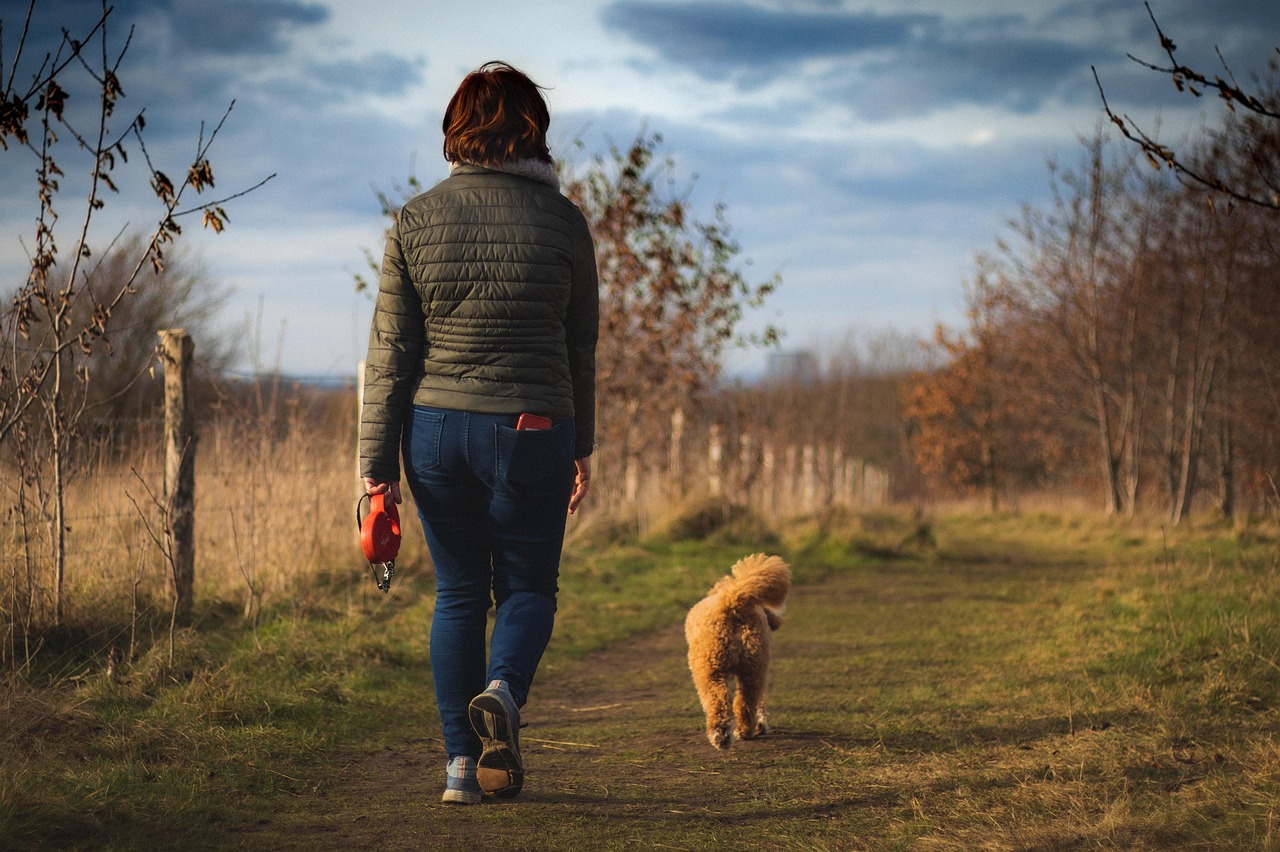
Puppy obedience classes are a fantastic way to start your furry friend on the path to becoming a well-behaved and happy companion. Not only do they provide essential training, but they also offer crucial socialization opportunities during your puppy’s critical development period. However, simply signing up isn’t enough. To truly maximize the benefits of puppy obedience classes, you need to actively participate and implement proven strategies. This guide provides essential tips and advice to help you and your puppy succeed in obedience training.
Preparing for Puppy Obedience Class
Gather Essential Supplies
Before attending your first class, ensure you have the necessary supplies to make the experience comfortable and productive for both you and your puppy.
- High-Value Treats: Small, easily consumable treats are crucial for positive reinforcement. Think tiny pieces of cooked chicken, cheese, or specialized puppy training treats. Variety is key – discover what motivates your pup the most!
- Leash and Collar/Harness: A standard 4-6 foot leash is recommended. Choose a comfortable collar or harness suitable for your puppy’s size and breed. Avoid retractable leashes initially, as they can hinder training.
- Poop Bags: Always be prepared to clean up after your puppy.
- Water and Bowl: Keep your puppy hydrated, especially during warmer months or active sessions.
- Favorite Toy (Optional): A special toy can be used as a reward or distraction.
Practice Basic Commands at Home
Familiarizing your puppy with basic commands like “sit,” “stay,” and “come” before class can significantly enhance their learning experience. Even short, 5-minute training sessions at home will make a difference.
- Keep it Positive: Use positive reinforcement techniques like treats and praise when your puppy performs correctly.
- Be Consistent: Use the same commands and hand signals consistently.
- Start Slow: Begin with simple commands in a quiet environment and gradually increase the difficulty and distractions.
Manage Your Puppy’s Energy Levels
A tired puppy is a more receptive puppy. Before class, engage your puppy in some light physical activity to burn off excess energy. A short walk or play session can help them focus better during training. Avoid intense exercise immediately before class, as they might be too exhausted to concentrate.
During Puppy Obedience Class
Be an Active Participant
Puppy obedience class isn’t a spectator sport. Actively engage with your puppy and the instructor. Ask questions, participate in exercises, and seek clarification whenever needed.
- Focus on Your Puppy: Minimize distractions and give your puppy your undivided attention.
- Follow Instructions Carefully: Pay close attention to the instructor’s demonstrations and explanations.
- Don’t Be Afraid to Ask for Help: If you’re struggling with a particular exercise, don’t hesitate to ask the instructor for guidance.
Use Positive Reinforcement Consistently
Positive reinforcement is the cornerstone of effective puppy training. Reward your puppy immediately after they perform a desired behavior with a treat, praise, or toy.
- Timing is Crucial: Deliver the reward within seconds of the desired behavior to create a strong association.
- Vary Your Rewards: Use a combination of treats, praise, and toys to keep your puppy engaged.
- Be Enthusiastic: Your enthusiasm will motivate your puppy and make the training process more enjoyable.
Manage Distractions
Puppy obedience classes can be overwhelming for young dogs due to the presence of other dogs and people. Help your puppy stay focused by managing distractions.
- Positioning: Position yourself strategically to minimize distractions for your puppy.
- Redirecting: If your puppy becomes distracted, gently redirect their attention back to you with a treat or command.
- Short Breaks: Take short breaks if your puppy becomes overwhelmed. Move to a quieter area and allow them to decompress.
After Puppy Obedience Class
Practice Regularly at Home
The skills learned in puppy obedience class need to be reinforced at home to become ingrained. Dedicate a few minutes each day to practicing the commands and exercises learned in class. Consistency is key to success.
- Short, Frequent Sessions: Shorter, more frequent training sessions are more effective than long, infrequent ones. Aim for 5-10 minute sessions several times a day.
- Generalization: Practice the commands in different environments and situations to help your puppy generalize their learning. For example, practice “sit” in the living room, backyard, and on walks.
- End on a Positive Note: Always end each training session with a command your puppy knows well and reward them generously.
Socialization Beyond the Classroom
Puppy obedience classes provide a valuable opportunity for socialization, but it’s important to continue socializing your puppy outside of the classroom. Expose them to a variety of people, places, and sounds in a controlled and positive manner.
- Positive Experiences: Ensure that all socialization experiences are positive and enjoyable for your puppy.
- Controlled Introductions: Introduce your puppy to new people and dogs gradually and under supervision.
- Desensitization: Expose your puppy to various sounds and environments gradually to help them become desensitized. For example, play recordings of traffic sounds or thunderstorms at a low volume and gradually increase the volume as your puppy becomes more comfortable.
Address Problem Behaviors Early
If you notice any concerning behaviors, such as excessive barking, biting, or aggression, address them early with the help of a qualified professional. Ignoring problem behaviors can lead to more serious issues down the road.
- Consult a Veterinarian: Rule out any underlying medical conditions that may be contributing to the behavior.
- Work with a Certified Trainer: A certified dog trainer can help you identify the root cause of the behavior and develop a training plan to address it.
- Be Patient and Consistent: Modifying problem behaviors takes time and patience. Be consistent with your training and seek professional guidance as needed.
Conclusion
Puppy obedience classes are an investment in your puppy’s future and your relationship with them. By preparing effectively, actively participating in class, and reinforcing the lessons at home, you can help your puppy develop into a well-behaved, confident, and happy companion. Remember to be patient, consistent, and positive throughout the training process, and celebrate your puppy’s successes along the way. The rewards of a well-trained dog are immeasurable, leading to a stronger bond and a more harmonious life together.