

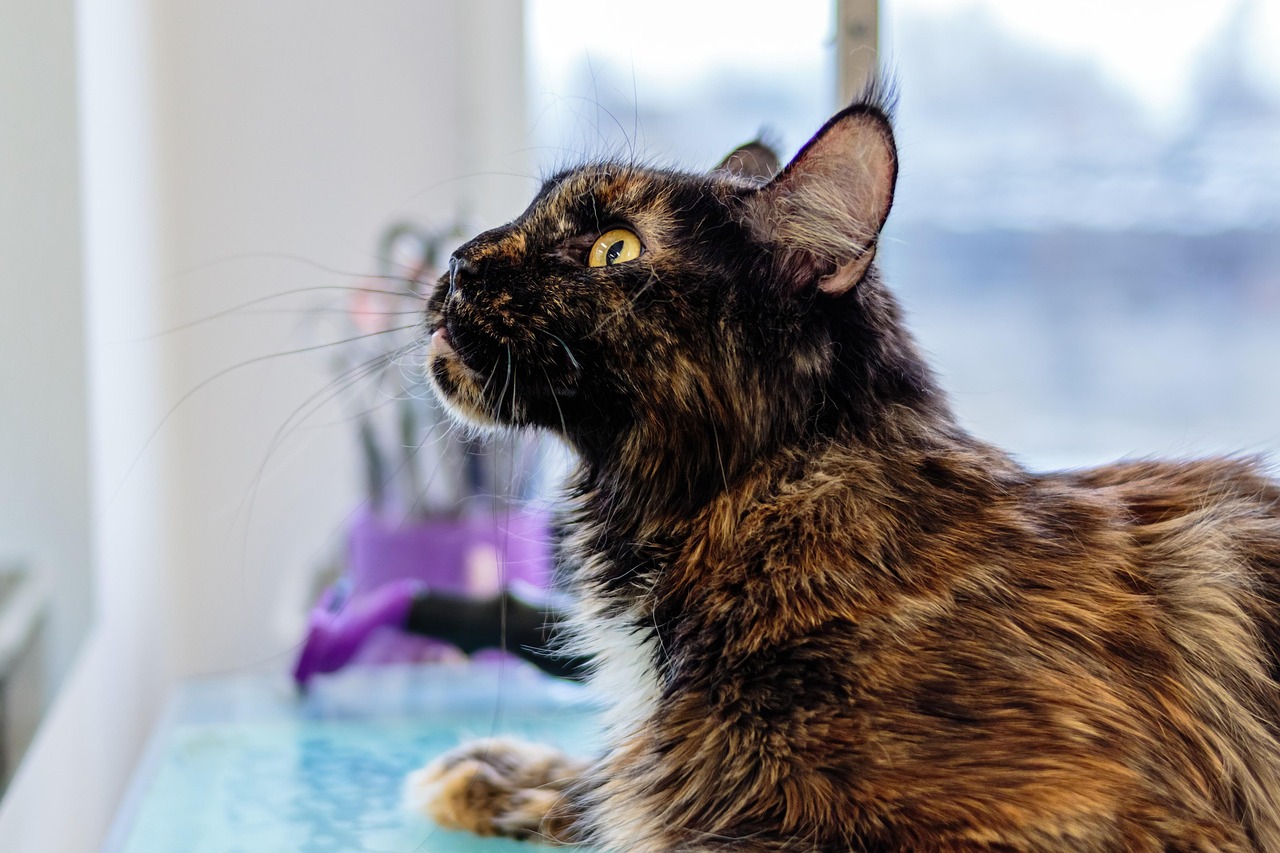
Supporting your pet’s immune system is one of the most crucial things you can do to ensure their long-term health and happiness. A strong immune system helps them fight off infections, recover from illness quicker, and maintain overall vitality. From puppies and kittens to senior dogs and cats, boosting immunity can significantly improve their quality of life. This blog post will explore effective strategies and practical tips to help you naturally support your pet’s immune system, ensuring they live a long and healthy life.
Understanding Your Pet’s Immune System
What is the Immune System?
The immune system is a complex network of cells, tissues, and organs that work together to defend your pet’s body against harmful invaders like bacteria, viruses, fungi, and parasites. It’s like a highly sophisticated security system that constantly patrols the body, identifying and neutralizing threats.
Key Components of the Immune System
The immune system comprises several essential components, including:
- White Blood Cells (Leukocytes): These cells are the frontline soldiers of the immune system, actively seeking out and destroying pathogens. There are various types, each with a specific function, such as neutrophils, lymphocytes, and macrophages.
- Antibodies: These proteins are produced by the immune system to recognize and bind to specific antigens (foreign substances). This binding helps to neutralize the antigen and mark it for destruction by other immune cells.
- Lymph Nodes: These small, bean-shaped organs filter lymph fluid, which contains white blood cells and other immune components. They play a crucial role in activating the immune response.
- Spleen: This organ filters the blood, removes damaged or old red blood cells, and stores white blood cells.
- Thymus: This gland is responsible for the maturation of T-cells, a type of lymphocyte that plays a crucial role in cell-mediated immunity.
- Gut Microbiome: The community of microorganisms residing in the gut significantly influences immune function. A healthy gut microbiome helps to regulate the immune system and protect against pathogens.
Factors Affecting the Immune System
Several factors can impact the strength and effectiveness of your pet’s immune system. Being aware of these factors allows you to take proactive steps to mitigate potential risks.
- Age: Young animals (puppies and kittens) have underdeveloped immune systems, making them more susceptible to infections. Senior pets may experience a decline in immune function due to aging.
- Stress: Chronic stress can weaken the immune system by suppressing immune cell activity. Environmental stressors, changes in routine, or separation anxiety can all contribute to stress in pets.
- Diet: A poor diet lacking essential nutrients can compromise immune function. Deficiencies in vitamins, minerals, and antioxidants can impair immune cell activity and antibody production.
- Environmental Toxins: Exposure to environmental toxins, such as pesticides, herbicides, and pollutants, can damage immune cells and increase susceptibility to illness.
- Genetics: Some breeds are predisposed to certain immune-related disorders. Understanding your pet’s breed can help you identify potential risks and take preventative measures.
- Underlying Health Conditions: Chronic illnesses like diabetes, kidney disease, and cancer can weaken the immune system, making pets more vulnerable to infections.
Nutritional Support for a Healthy Immune System
The Importance of a Balanced Diet
Nutrition is the cornerstone of a strong immune system. Feeding your pet a balanced, high-quality diet provides the building blocks for immune cell function and antibody production.
- High-Quality Protein: Protein is essential for building and repairing tissues, including immune cells. Choose pet food that lists a named animal protein source (e.g., chicken, beef, salmon) as the first ingredient.
- Healthy Fats: Omega-3 and omega-6 fatty acids play a crucial role in regulating inflammation and supporting immune cell function. Sources include fish oil, flaxseed oil, and algae oil.
- Essential Vitamins and Minerals: Vitamins A, C, D, and E, as well as minerals like zinc, selenium, and iron, are vital for immune function. Ensure your pet’s diet contains adequate amounts of these nutrients.
- Fiber: Fiber promotes a healthy gut microbiome, which is essential for immune function. Sources include fruits, vegetables, and whole grains.
Key Nutrients for Immune Support
Certain nutrients are particularly beneficial for supporting the immune system. Consider incorporating these into your pet’s diet through food or supplements.
- Vitamin C: A powerful antioxidant that helps to protect immune cells from damage and boost their activity. While dogs and cats produce some Vitamin C, supplementation can be beneficial during times of stress or illness.
- Vitamin E: Another antioxidant that supports immune cell function and helps to protect against oxidative stress.
- Vitamin D: Essential for immune cell development and regulation. Many pets are deficient in Vitamin D, especially during winter months.
- Zinc: Plays a crucial role in immune cell development and function. Zinc deficiency can impair immune function and increase susceptibility to infections.
- Selenium: An essential mineral that supports antioxidant activity and immune cell function.
- Omega-3 Fatty Acids: Reduce inflammation and support immune cell function. Supplementing with fish oil or algae oil can be particularly beneficial.
Practical Dietary Tips
- Read Food Labels Carefully: Choose pet foods with high-quality ingredients and avoid those containing artificial colors, flavors, and preservatives.
- Consider a Raw Food Diet: A raw food diet can provide a more natural and bioavailable source of nutrients. However, it’s essential to consult with a veterinarian or veterinary nutritionist to ensure the diet is balanced and safe.
- Add Fresh Foods: Supplement your pet’s diet with fresh fruits, vegetables, and lean proteins to boost their nutrient intake. Examples include blueberries, carrots, sweet potatoes, and cooked chicken.
- Use Supplements Wisely: Consult with your veterinarian before adding supplements to your pet’s diet to ensure they are safe and appropriate for their individual needs.
Lifestyle Factors to Boost Immunity
Stress Management
Minimizing stress is crucial for supporting a healthy immune system. Chronic stress can suppress immune cell activity and increase susceptibility to illness.
- Provide a Safe and Comfortable Environment: Ensure your pet has a comfortable and secure place to rest, free from distractions and stressors.
- Establish a Consistent Routine: Predictable routines can help to reduce anxiety and stress in pets. Maintain regular feeding times, exercise schedules, and playtime.
- Engage in Regular Exercise: Exercise helps to reduce stress and boost immune function. Take your dog for daily walks or engage in active play with your cat.
- Provide Mental Stimulation: Puzzle toys, training sessions, and interactive games can help to keep your pet mentally stimulated and reduce boredom-related stress.
- Use Calming Aids: Consider using calming aids like pheromone diffusers or calming supplements to help reduce anxiety in stressful situations.
Regular Exercise
Regular physical activity is essential for maintaining a healthy immune system. Exercise helps to improve circulation, reduce stress, and boost immune cell activity.
- Dogs: Daily walks, runs, or play sessions can help to keep your dog physically and mentally stimulated. Adjust the intensity and duration of exercise based on your dog’s age, breed, and health condition.
- Cats: Provide opportunities for active play, such as chasing toys, climbing cat trees, or playing with interactive toys. Aim for at least 15-20 minutes of active play per day.
- Avoid Overexertion: Be mindful of your pet’s limits and avoid overexertion, especially during hot or humid weather.
- Gradually Increase Activity: If your pet is not used to regular exercise, gradually increase the intensity and duration of activity over time to avoid injury.
Hygiene and Preventative Care
Maintaining good hygiene and providing preventative care can help to reduce your pet’s exposure to pathogens and support a healthy immune system.
- Regular Grooming: Regular grooming helps to remove dirt, debris, and parasites from your pet’s coat, reducing the risk of skin infections.
- Dental Care: Good dental hygiene is essential for preventing oral infections, which can weaken the immune system. Brush your pet’s teeth regularly and schedule professional dental cleanings as recommended by your veterinarian.
- Parasite Control: Regular flea, tick, and worm prevention is crucial for protecting your pet from parasites that can weaken the immune system.
- Vaccinations: Vaccinations help to protect your pet from common infectious diseases by stimulating the immune system to produce antibodies. Follow your veterinarian’s recommended vaccination schedule.
- Regular Veterinary Checkups: Regular veterinary checkups are essential for detecting and treating health problems early, before they can weaken the immune system.
Natural Supplements for Immune Support
Probiotics
Probiotics are beneficial bacteria that help to maintain a healthy gut microbiome. A healthy gut microbiome is essential for immune function, as it helps to regulate the immune system and protect against pathogens.
- Benefits of Probiotics:
Improve gut health and digestion
Boost immune function
Reduce inflammation
Help to prevent and treat diarrhea
- Choosing a Probiotic: Look for a probiotic supplement that contains multiple strains of beneficial bacteria, such as Lactobacillus and Bifidobacterium. Choose a product specifically formulated for pets, as human probiotics may not be effective.
- Dosage: Follow the dosage recommendations on the product label or consult with your veterinarian.
Colostrum
Colostrum is the first milk produced by mammals after giving birth. It is rich in antibodies, growth factors, and other immune-boosting compounds.
- Benefits of Colostrum:
Provides passive immunity to newborns
Supports immune function in adult animals
Helps to heal and protect the gut lining
Reduces inflammation
- Choosing a Colostrum Supplement: Look for a high-quality colostrum supplement that is sourced from grass-fed cows and is free from antibiotics and hormones.
- Dosage: Follow the dosage recommendations on the product label or consult with your veterinarian.
Medicinal Mushrooms
Certain types of medicinal mushrooms, such as Reishi, Shiitake, and Maitake, contain compounds that can boost immune function.
- Benefits of Medicinal Mushrooms:
Stimulate immune cell activity
Enhance antibody production
Reduce inflammation
Support overall health and well-being
- Choosing a Medicinal Mushroom Supplement: Look for a supplement that contains a blend of different mushroom species and is standardized for active compounds like beta-glucans.
- Dosage: Follow the dosage recommendations on the product label or consult with your veterinarian.
Conclusion
Supporting your pet’s immune system is a proactive and essential step in ensuring their long-term health and happiness. By providing a balanced diet, managing stress, encouraging regular exercise, and considering natural supplements, you can help to strengthen their natural defenses and protect them from illness. Remember to consult with your veterinarian before making significant changes to your pet’s diet or introducing new supplements. A healthy immune system is the foundation for a long, vibrant, and joyful life for your furry companion.